

Practice Areas
Fast Facts
Quick, accurate answers to the most common questions about eminent domain proceedings in Texas. Understand your rights, the process, and what to expect when government or private entities seek to acquire your property.
Get the Facts Before You Respond to Any Offer.
Understanding your rights under Texas eminent domain law is the first step to protecting what you own. Our Richmond attorneys are here when you are ready to talk through your situation.
What Eminent Domain Means for You
Eminent domain allows government entities and certain private companies to take your property for public use, but only with just compensation. If you receive condemnation notice, you have legal protections and the right to challenge both the taking itself and the compensation offered.
Texas law requires that all takings serve a genuine public purpose and that compensation reflect fair market value. You can contest inadequate offers, hire your own appraiser, and demand a jury trial if negotiations fail. Many property owners accept initial offers without realizing these rights exist.
Time matters critically. Deadlines for filing objections, requesting hearings, and challenging appraisals are strictly enforced. Missing a deadline can eliminate your opportunity to seek fair compensation. Representing landowners in these cases requires understanding both constitutional protections and Texas-specific statutes that govern condemnation procedures.
How the Process Works
 1
1Initial Notice and Survey
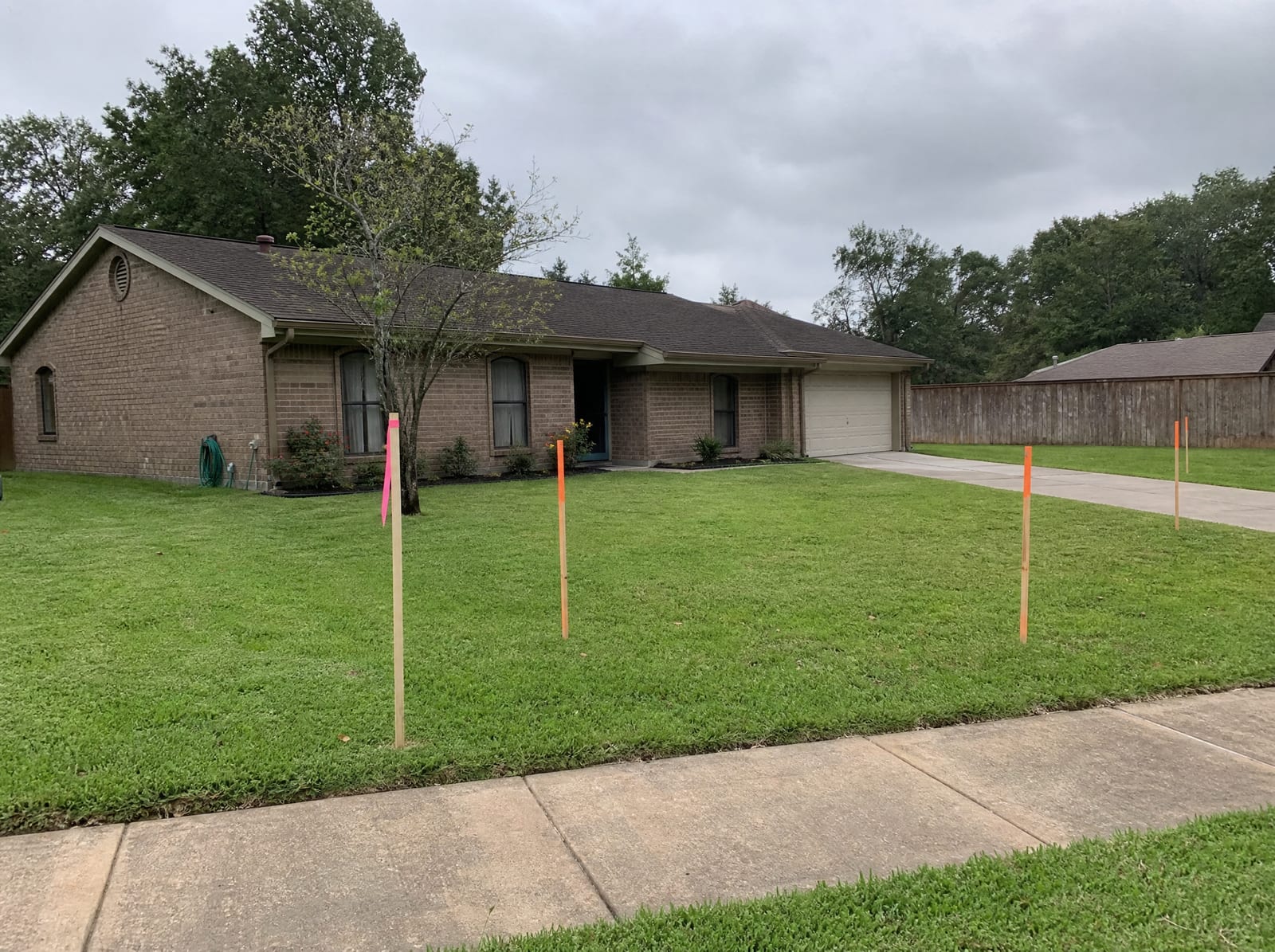
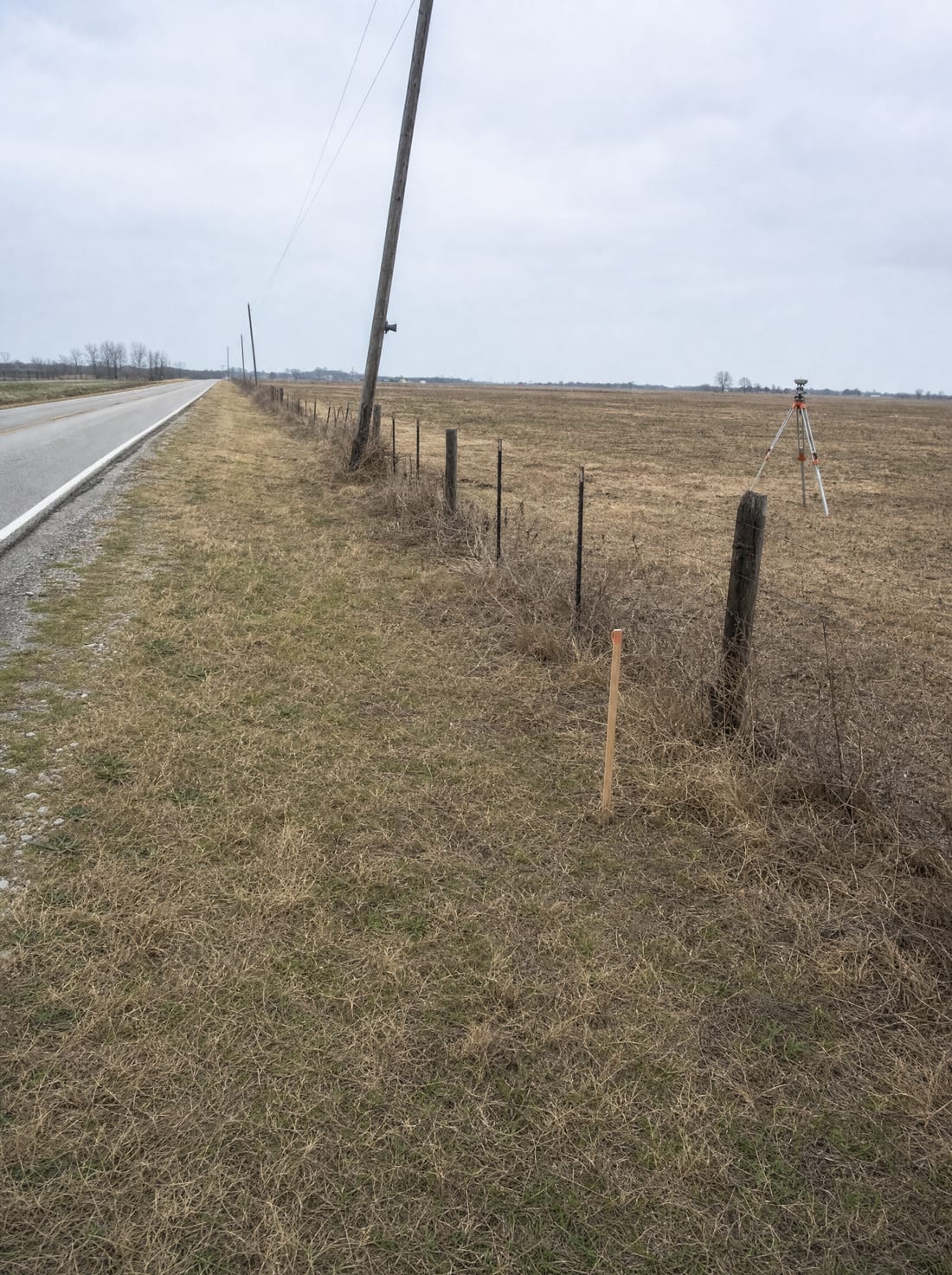
The condemning authority sends written notice of intent to acquire your property and may request permission to survey or appraise the land. You can deny access for surveys until they obtain court authorization. The notice should specify what portion of property they intend to take and the proposed public use.
 2
2Offer and Negotiation Period
The authority presents an initial offer based on their appraisal. This offer often undervalues the property or fails to account for damages to remaining land. You have the right to obtain your own appraisal and negotiate. Many cases settle during this phase when property owners have legal representation to challenge low offers.
 3
3Special Commissioners Hearing
If negotiations fail, the case proceeds to a hearing before three court-appointed commissioners who determine just compensation. Both sides present evidence, including appraisals and testimony about property value. The commissioners issue an award, which either party can challenge by requesting a jury trial within specific timeframes.
 4
4Jury Trial and Final Resolution
Either party can reject the commissioners' award and proceed to trial. A jury hears evidence and determines fair market value based on the property's highest and best use. The condemning authority typically deposits the commissioners' award amount, allowing them to take possession while the case proceeds.
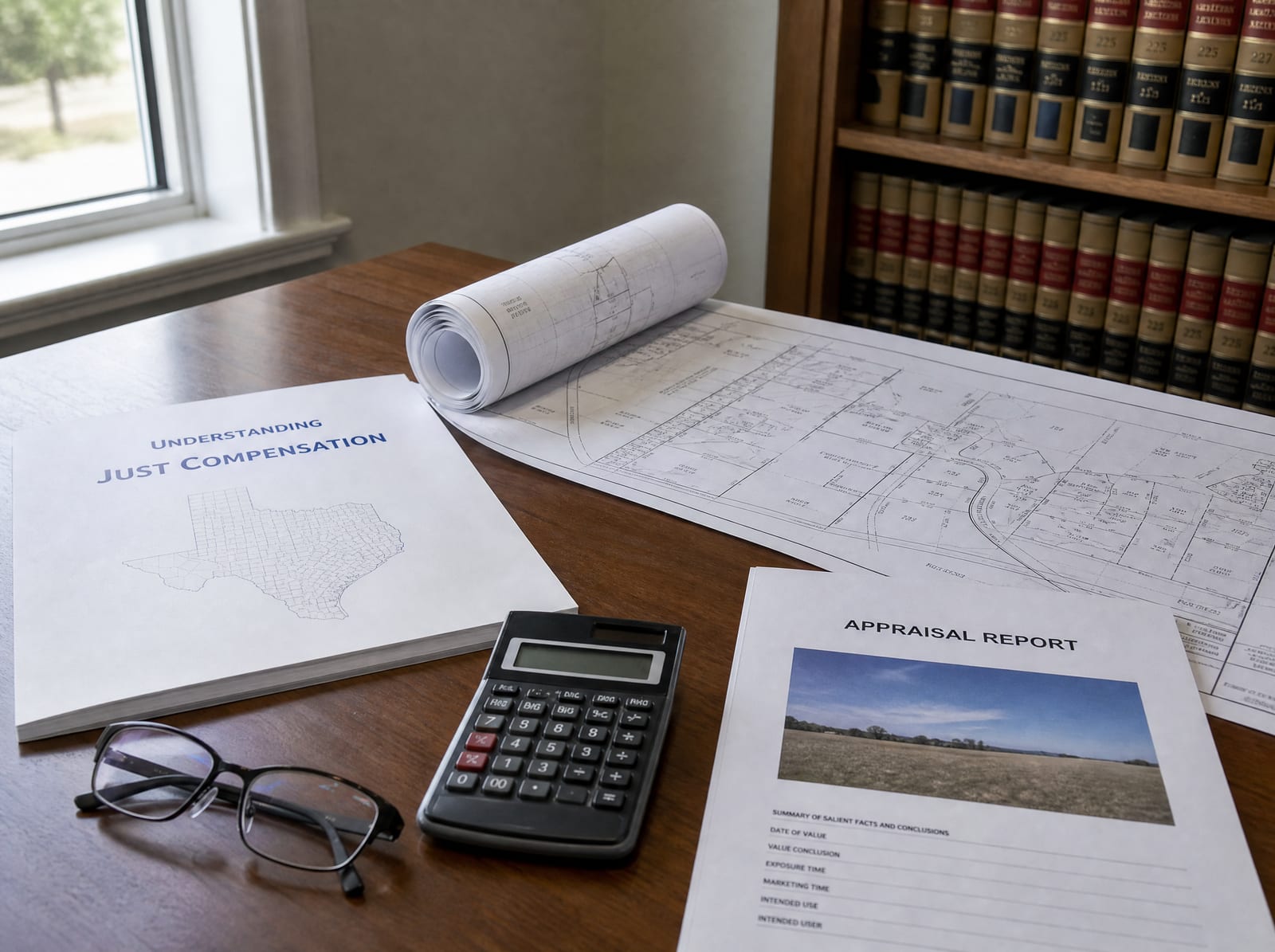
Understanding Just Compensation
Just compensation means the property's fair market value at the time of taking, plus damages to any remaining property. Fair market value represents what a willing buyer would pay a willing seller in an arm's length transaction, considering the property's highest and best use regardless of current use.
Condemning authorities often rely on appraisals that minimize value by ignoring development potential, access issues created by the taking, or business losses for commercial properties. What is just compensation includes not only the land taken but also consequential damages such as loss of access, reduced visibility for commercial properties, or diminished value of remaining land.
Property owners can present evidence of comparable sales, development potential, income generation, and special adaptations made to the property. Expert appraisers who specialize in condemnation proceedings can identify value elements that government appraisers overlook or discount improperly.
Texas law requires separate consideration of different property types. Agricultural land receives special treatment under certain circumstances, while commercial property owners may claim business damages beyond simple real estate value. Residential properties receive protection against certain types of private takings that would primarily benefit other private parties.
Your Rights as a Texas Property Owner
Right to Refuse Initial Access
Condemning authorities must obtain court authorization before entering your property to conduct surveys or appraisals if you deny permission. You cannot be penalized for refusing voluntary access, though the authority will likely seek a court order allowing entry.
Right to Independent Appraisal
You can hire your own appraiser at any point in the process. Professional appraisals often reveal significantly higher values than government offers, particularly when appraisers account for development potential, business losses, or damages to remaining property that initial offers ignore.
Right to Challenge the Taking
You can contest whether the proposed taking actually serves a public purpose or whether the condemning authority has the legal power to take your specific property. These challenges require prompt legal action and solid evidence that the taking violates constitutional or statutory limitations.
Right to Jury Trial
Either party can demand a jury trial to determine just compensation if unsatisfied with the special commissioners' award. Juries often award higher compensation than commissioners, particularly when property owners present compelling evidence of undervaluation.
Right to Relocation Assistance
Federal and state law may require the condemning authority to provide relocation assistance for displaced homeowners or businesses. This can include moving costs, replacement housing payments, and business reestablishment expenses beyond simple property compensation.
Right to Attorney's Fees
Texas law allows recovery of reasonable attorney's fees in certain eminent domain cases where the final award exceeds the condemning authority's initial offer by specific percentages. This provision helps property owners afford quality legal representation without risking excessive costs.
Common Scenarios in Greater Houston
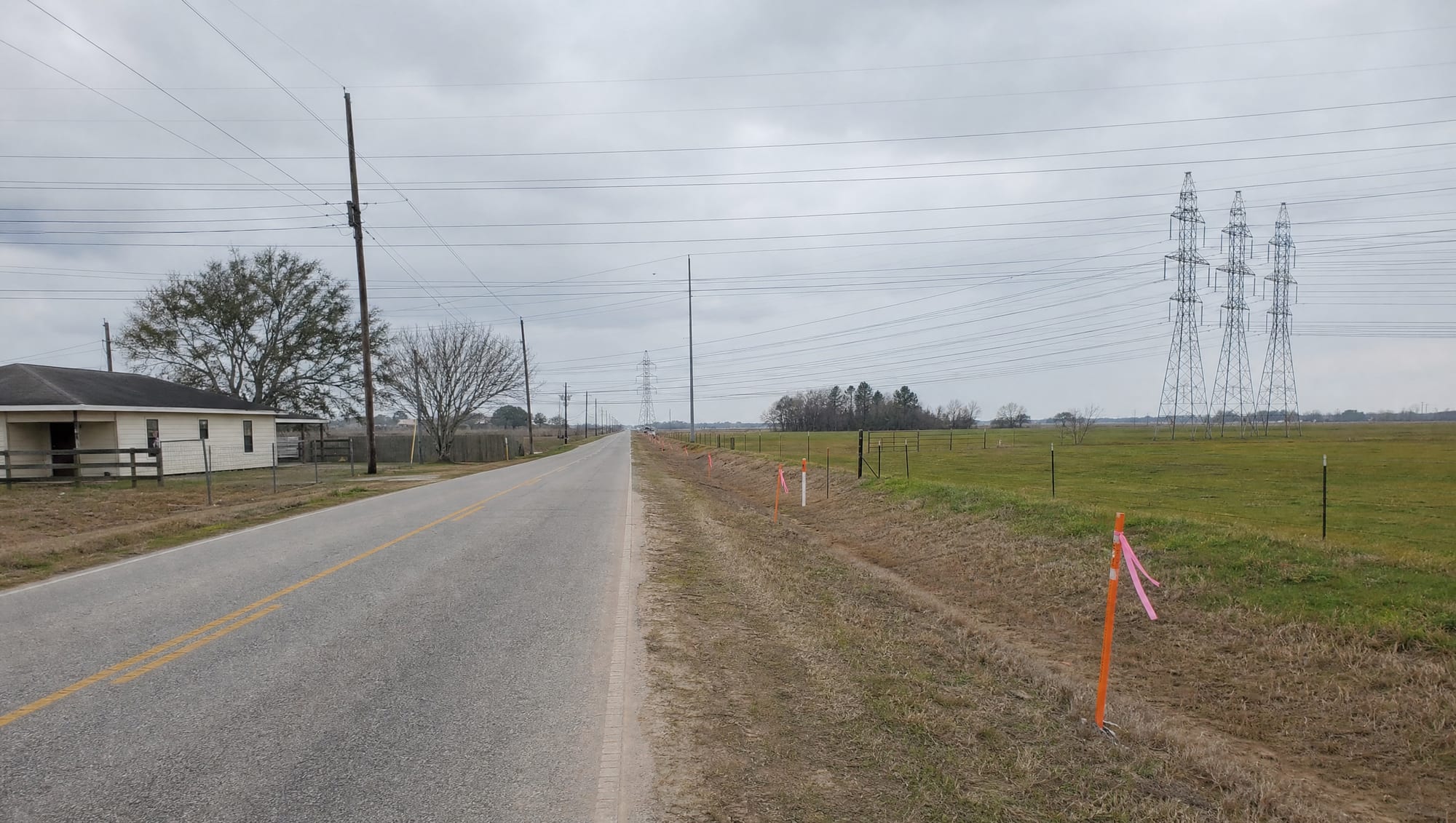
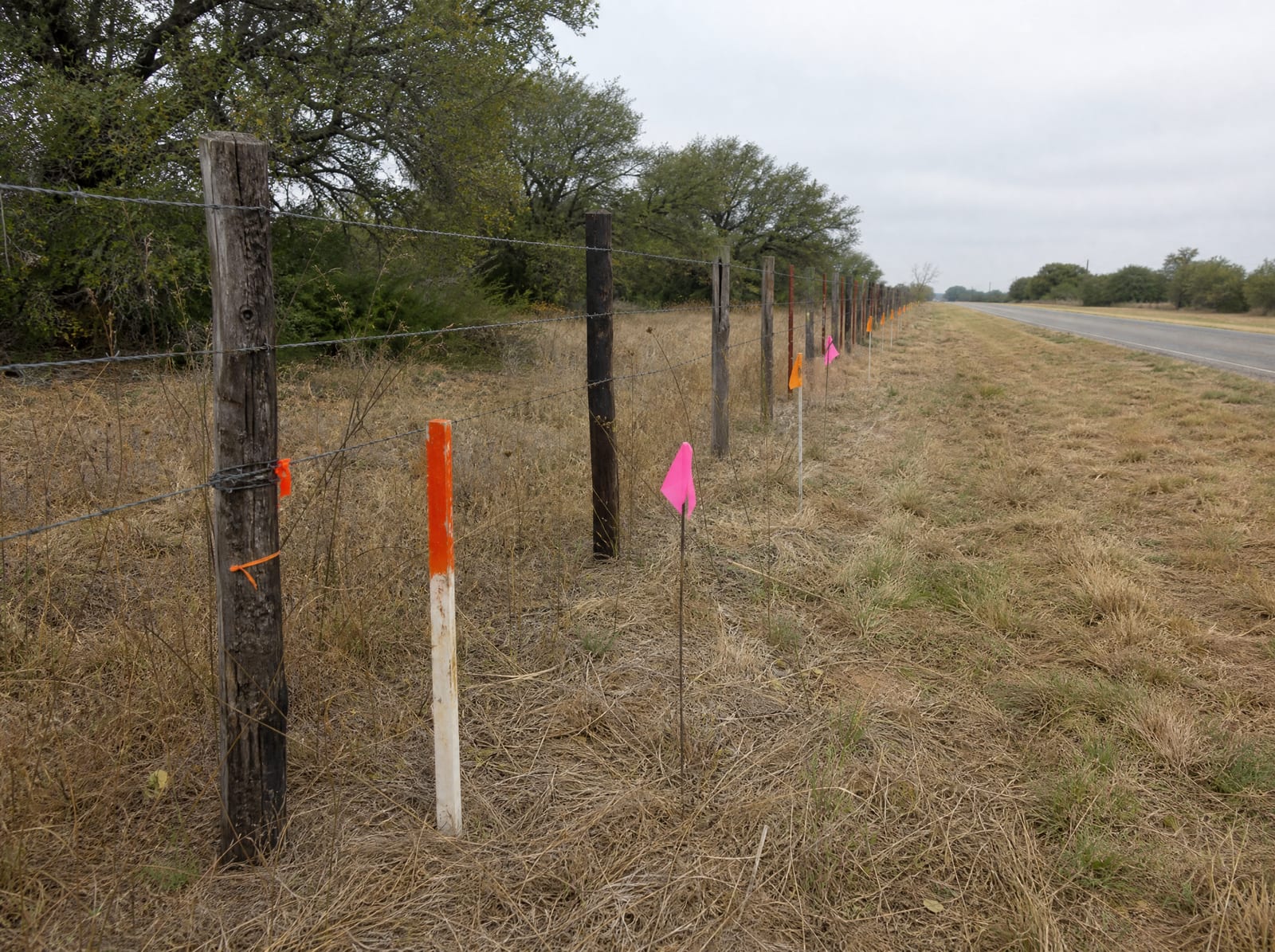
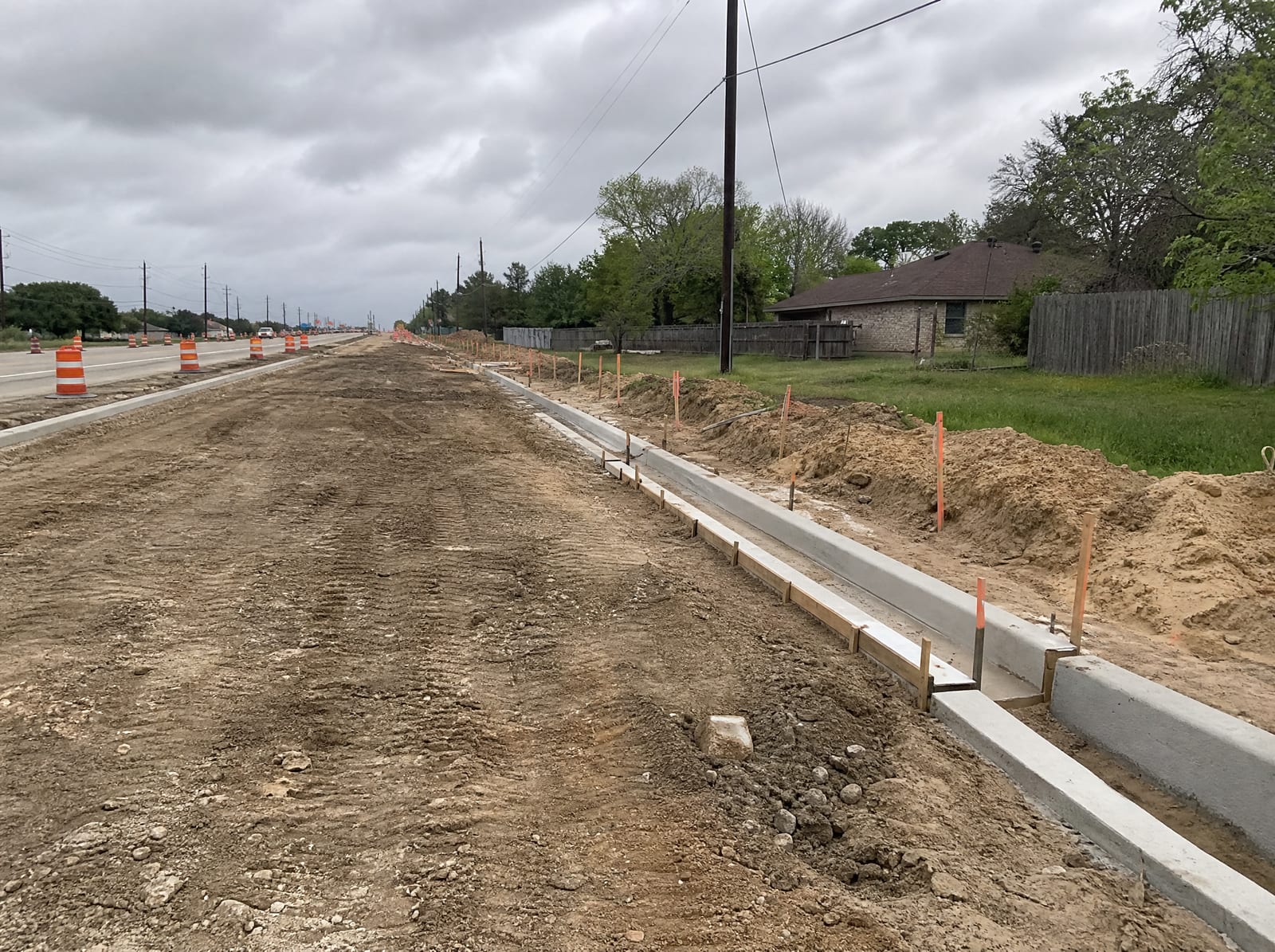
Highway expansion represents the most common eminent domain action in the Houston area, with TxDOT and local authorities regularly acquiring property for road widening, interchange construction, and new thoroughfares. Current infrastructure projects throughout the region affect thousands of property owners annually.
Pipeline companies frequently exercise eminent domain for natural gas, oil, and utility corridors. Private companies can condemn easements for pipelines under Texas law when granted common carrier or public utility status, though property owners retain ownership of the underlying land subject to the pipeline easement.
Flood control districts acquire property for detention basins, channel improvements, and drainage infrastructure. These takings often affect agricultural land and can involve both permanent acquisition and temporary construction easements that damage crops or interfere with farming operations.
Utility companies condemn easements for transmission lines, substations, and related infrastructure. These easements typically allow permanent access and can restrict property use even though the landowner retains title. Compensation must account for lost development potential and ongoing access burdens.
Fast Facts: Quick Reference Guide
You Don't Have to Accept the First Offer
Initial offers typically undervalue property. You can negotiate, obtain your own appraisal, and reject offers that don't reflect fair market value. Most condemning authorities expect negotiation and have room to increase compensation.
Time Limits Are Strict
Texas law imposes specific deadlines for objecting to takings, demanding jury trials, and filing appeals. Missing a deadline can eliminate your rights. Contact an attorney immediately upon receiving condemnation notice.
They Can Take Possession Before Paying Final Compensation
Condemning authorities can deposit the commissioners' award and take possession while compensation disputes continue. This doesn't prevent you from seeking higher compensation at trial, but it means you may lose property access before receiving final payment.
Partial Takings Require Damage Assessment
When only part of your property is taken, you're entitled to compensation for damages to the remainder. Loss of access, reduced visibility, awkward parcel shapes, and diminished development potential all constitute compensable damages.
Business Losses May Be Compensable
Commercial property owners may recover for business interruption, relocation costs, loss of goodwill, and fixtures that can't be moved. These damages require proper documentation and expert testimony but can exceed real estate value.
You Can Challenge the Taking Itself
Property owners can contest whether the proposed use truly serves a public purpose or whether the condemning authority has legal power to take the property. Successful challenges are rare but possible when takings primarily benefit private interests.
Expert Appraisals Make a Difference
Professional appraisers who specialize in condemnation often find significantly higher values than government appraisers. The cost of an expert appraisal frequently pays for itself through increased compensation.
Private Companies Can Condemn Property
Pipeline companies, utility providers, and certain other private entities can exercise eminent domain when granted statutory authority. The public use requirement still applies, but courts generally defer to legislative determinations about what constitutes public use.
Why Work With Our Firm
Since 1977, Showalter Colgin & Davis, PLLC has protected Texas property owners facing eminent domain proceedings throughout the Greater Houston area. We focus exclusively on property rights, which means we understand valuation issues, procedural requirements, and negotiation strategies that general practice attorneys often miss.
Our attorneys work with expert appraisers, engineers, and economists who can demonstrate your property's true value and identify all compensable damages. We know the condemning authorities and their typical tactics. Government entities and utility companies often present lowball offers expecting property owners to accept without challenge.
Most eminent domain cases settle before trial when property owners have experienced representation. We've secured substantial increases over initial offers through skilled negotiation backed by solid evidence. When settlement isn't possible, we're prepared to present your case to special commissioners or a jury.
You can reach our Richmond eminent domain office at (281) 341-5577 Monday through Friday from 8 AM to 5 PM. We represent property owners throughout the Greater Houston area including Houston, Sugar Land, Katy, and surrounding communities.

Additional Resources
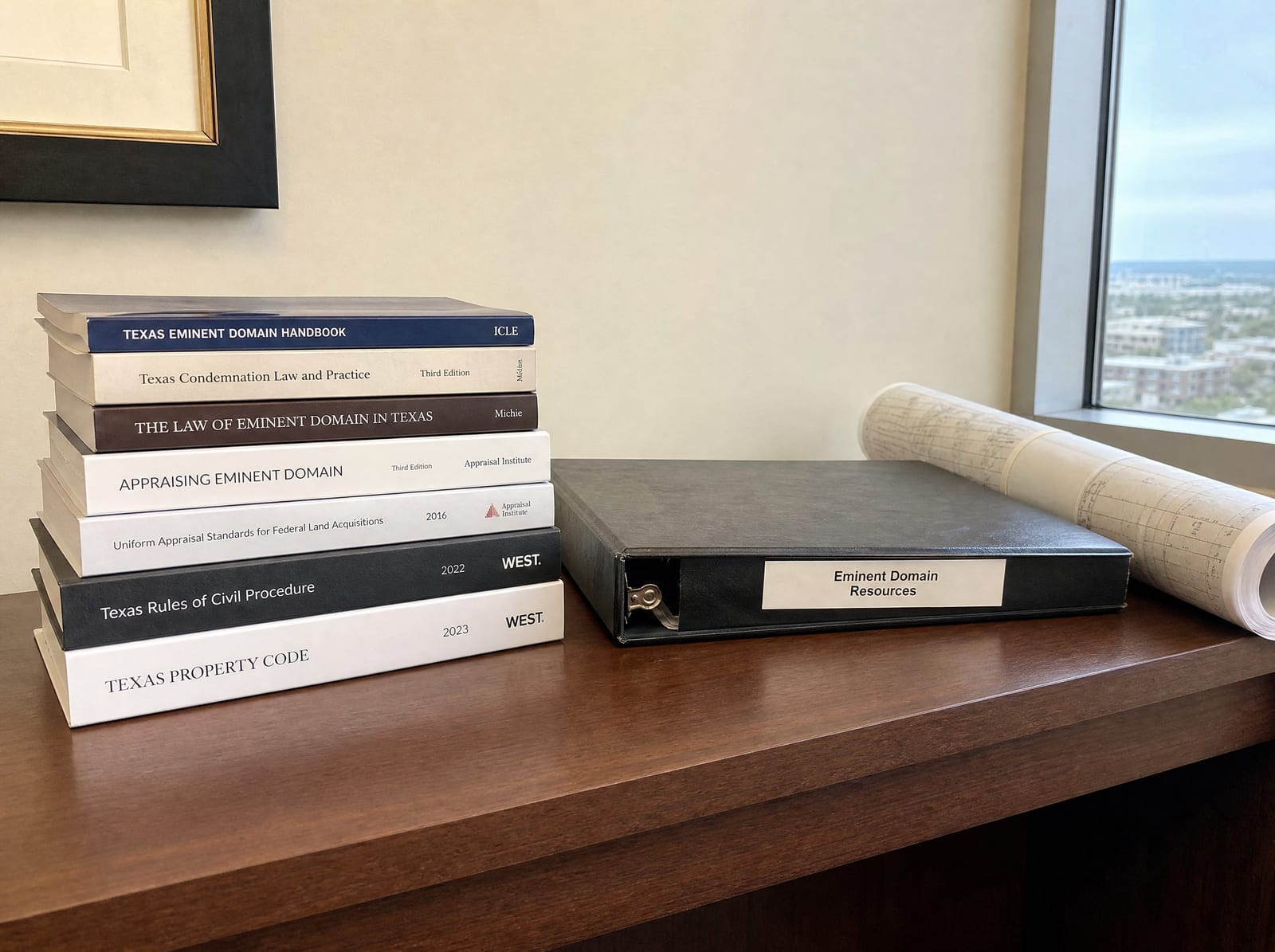
Understanding eminent domain basics helps you recognize when your rights are at stake, but each case involves unique facts requiring individualized legal analysis. The Texas Property Code, Transportation Code, and various special statutes create a complex legal framework that varies based on the condemning authority and the purpose of the taking.
Recent legislative sessions have considered reforms to eminent domain procedures, though most proposed changes have not become law. Eminent domain reform died in session during recent attempts to strengthen property owner protections, leaving current procedures largely unchanged. Infrastructure development continues throughout Texas, with major highway projects, utility expansions, and pipeline construction affecting thousands of property owners annually.
Our firm regularly updates information about eminent domain law, recent cases, and ongoing projects that may affect property owners. We also represent property owners in related matters including estate planning to protect inherited property and real estate law issues that may intersect with condemnation proceedings.
Fast Facts Downloads
Download these free guides for a quick overview of the eminent domain process and your rights as a Texas property owner.
Frequently Asked Questions About Eminent Domain Work
Can I stop an infrastructure project from taking my property?
Texas law grants acquiring authorities broad eminent domain power for legitimate public projects. Property owners cannot typically prevent properly authorized takings, but you can challenge inadequate compensation and ensure the project follows required procedures. Legal representation helps property owners understand their rights, obtain fair compensation, and hold acquiring authorities accountable for following proper condemnation procedures.
How long do I have to respond to a property acquisition offer?
While acquisition offers may suggest response deadlines, Texas law does not require immediate acceptance. Property owners should take time to obtain independent appraisals, legal advice, and expert evaluation before responding to any offer. However, excessive delay without good reason can complicate proceedings, so property owners should engage counsel and begin evaluation promptly after receiving offers.
What if the project only takes part of my property?
Partial takings require compensation for both the land actually taken and any reduction in value to your remaining property. Highway projects that eliminate parking, reduce access, or create noise and visual impacts must pay damages for these effects on remaining property. Pipeline easements that restrict future development or reduce marketability must compensate for ongoing limitations. Property owners should never accept partial taking compensation without understanding full impact on remaining property value and use.
Do I need a lawyer if the government made a fair offer?
Determining whether an offer is truly fair requires understanding property valuation principles, market conditions, and project impacts that most property owners cannot assess without professional help. Government appraisers work for acquiring authorities whose interest is minimizing compensation costs. Independent legal representation with access to qualified appraisers protects your interests and often identifies additional compensation elements that initial offers missed or undervalued.
What happens if I reject the acquisition offer?
Rejecting an inadequate offer does not stop the project. Acquiring authorities can file formal condemnation proceedings, potentially depositing estimated compensation with the court and taking possession of property before final compensation determination. However, property owners retain the right to challenge compensation in these proceedings and present evidence of property value. Formal proceedings often result in higher compensation than initial offers, particularly when property owners have experienced legal representation and proper valuation evidence.
How do pipeline easements differ from highway takings?
Highway projects typically involve full property acquisition through condemnation, with property owners losing all rights to the taken area. Pipeline projects typically acquire permanent easements rather than full ownership, allowing continued property ownership subject to easement restrictions. However, pipeline easements create permanent limitations on property use and can significantly affect property value, marketability, and development potential. Compensation for easements should reflect the full scope of property rights the easement conveys and all impacts on overall property value.
Can the government take my property before paying me?
Texas law allows acquiring authorities to take possession after depositing estimated compensation with the court, even if final compensation remains disputed. This quick-take procedure should not pressure property owners into accepting inadequate compensation. Property owners retain the right to challenge deposited amounts and pursue additional compensation through condemnation proceedings. Quick-take does not eliminate your rights but rather makes experienced legal representation more important for protecting your interests.
Schedule An Attorney Consultation
Fields marked with an asterisk are required.
Discuss your fast facts matter
Contact Showalter Colgin & Davis at (281) 341-5577 to speak with an attorney. We serve property owners, businesses, and families throughout the Greater Houston area.