

Practice Areas
Representing Homeowners
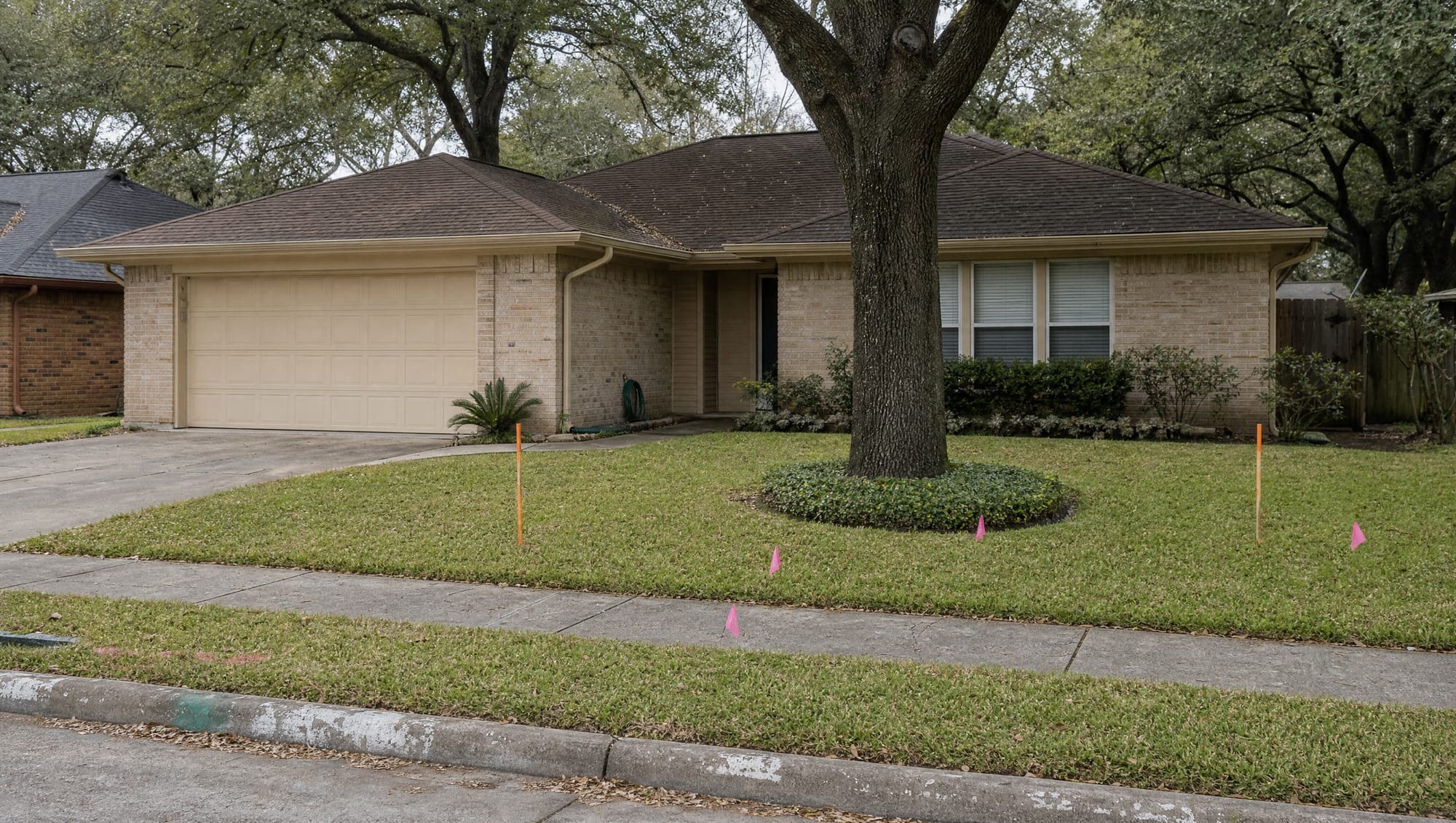
When the government targets your home for condemnation, you need an attorney who fights for every dollar of compensation you deserve. We've represented Texas homeowners in eminent domain cases since 1977.
Your Home Deserves a Strong Defense.
When the government or a utility company targets your home, the stakes could not be higher. Our attorneys stand with homeowners across Fort Bend County, Greater Houston, and Texas to make sure you receive just compensation.
What You Get: Experienced Representation That Protects Your Home's True Value
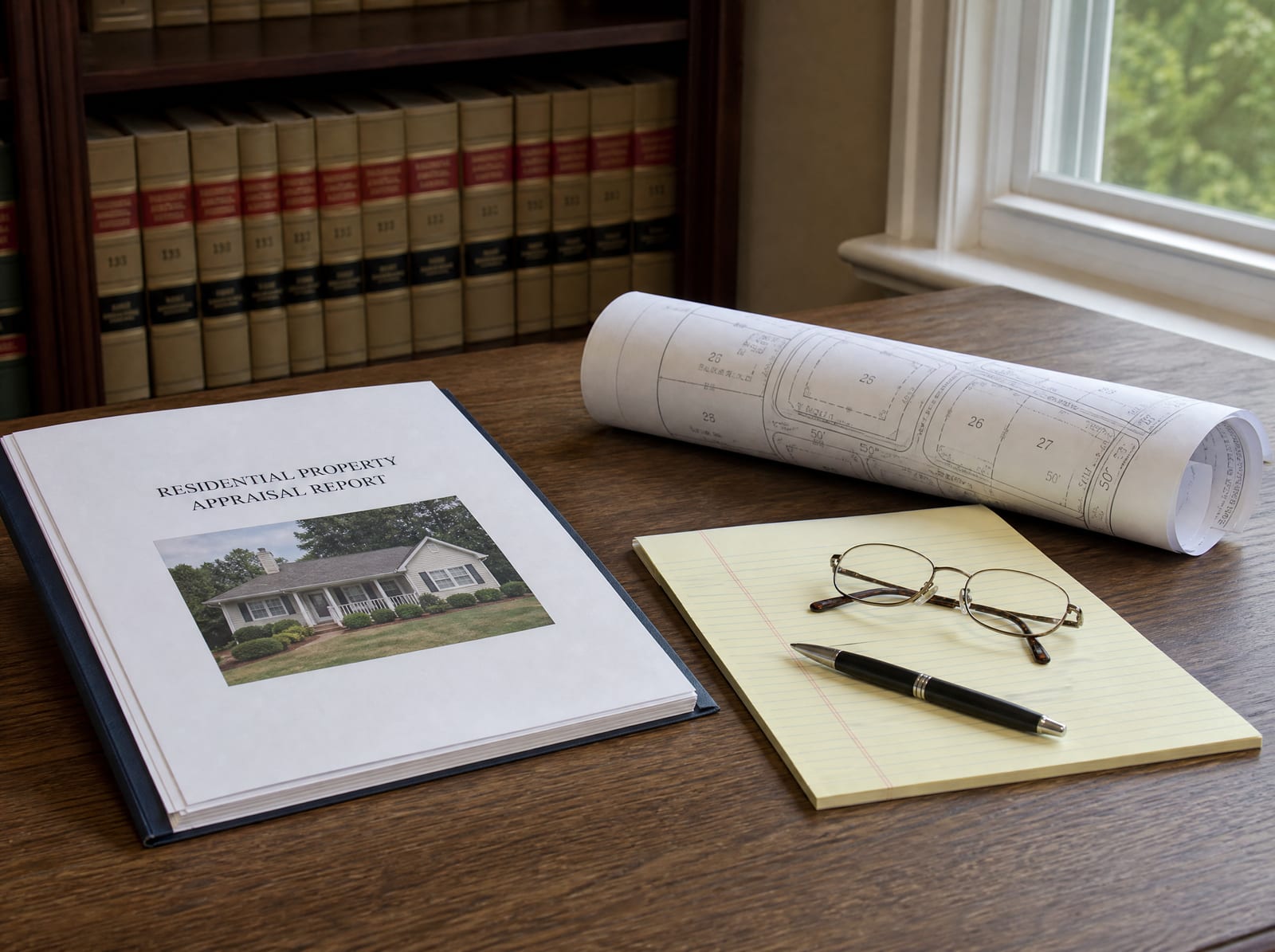
When you hire our firm, you get attorneys who know how to prove what your home is actually worth, not what the government wants to pay. We work with independent appraisers who understand residential properties, document every improvement and feature that adds value, negotiate directly with government attorneys using solid evidence, and take cases to trial when settlement offers fall short.
Since 1977, we've handled hundreds of homeowner condemnation cases throughout the Greater Houston area. We know where government appraisers typically undervalue properties, how to build compelling evidence for higher compensation, and which negotiation strategies produce results. Most importantly, we understand the emotional weight of losing your home and work to make this process as clear and manageable as possible.
Why This Matters: Your Rights When Government Takes Your Property
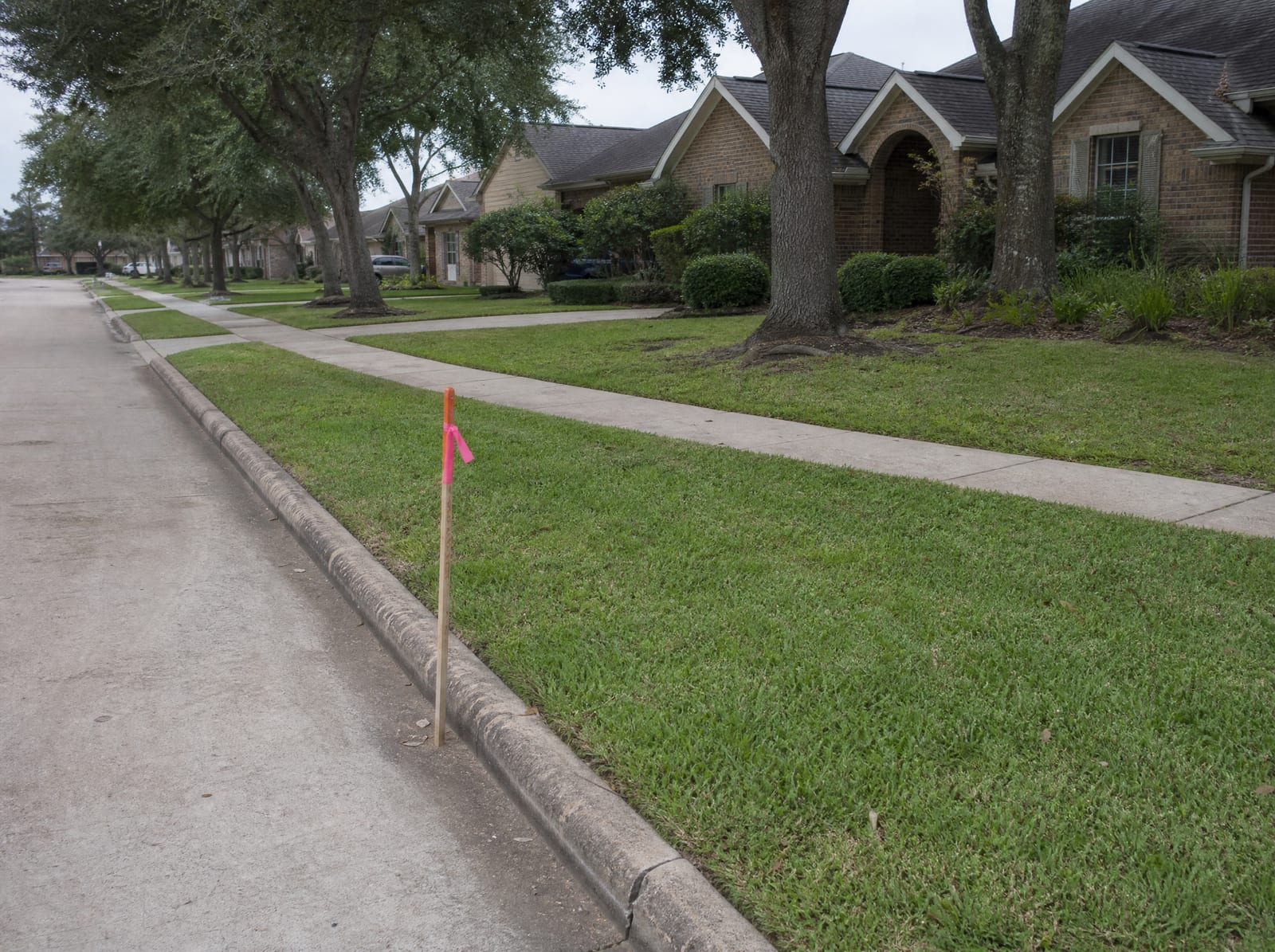
A notice arrives informing you that the state or local government plans to acquire part or all of your property for a highway expansion, utility project, or public facility. The initial offer seems low, and you're uncertain what happens next or whether you have any say in the matter.
You absolutely have rights. The Fifth Amendment guarantees that government entities must provide just compensation when taking private property for public use. That compensation should reflect the true market value of what you're losing, including not just land but your home's unique characteristics, improvements you've made, and the disruption to your life.
Government entities typically present initial offers that undervalue residential properties. They may fail to account for recent improvements, unique features that add value to your specific home, or the actual cost of relocating your family. Their appraisers work for them, not for you. This is where experienced eminent domain representation becomes essential.
How Residential Properties Get Undervalued
Your home isn't just an investment or asset on a balance sheet. It's where you've built your life, raised your family, and invested your time and money into creating something personal. Government appraisers often rely on comparable sales data that doesn't capture what makes your specific property valuable.
They may overlook custom renovations, mature landscaping you've cultivated over years, energy-efficient upgrades that reduce your utility costs, or accessibility modifications you've made. If your home sits in a desirable school district or features unique architectural elements, those factors deserve recognition in your compensation.
Partial takings create their own problems. When the government takes only a portion of your property for road widening or utility easements, you're left with a smaller lot that may not function the same way. Your backyard shrinks, your driveway loses access, or your home sits too close to a new highway. These impacts reduce your remaining property's value, and you're entitled to compensation for that diminishment.
Relocation costs represent another area where initial offers typically fall short. Moving an entire household involves temporary housing expenses if you need to vacate before finding a new home, moving costs for large or specialty items, utility connection fees, and the difficulty of finding comparable housing in the same area at the same price point. Texas law requires compensation for reasonable relocation expenses, yet government entities often provide only minimal allowances.
How We Handle Your Case
Here's our process from initial contact through resolution.
Initial Consultation
You'll meet with one of our attorneys to discuss the notice you received, the government's initial offer, and your property specifics. We explain your rights and options, answer your questions about the process, and determine whether representation makes sense for your situation.

Complete Property Analysis
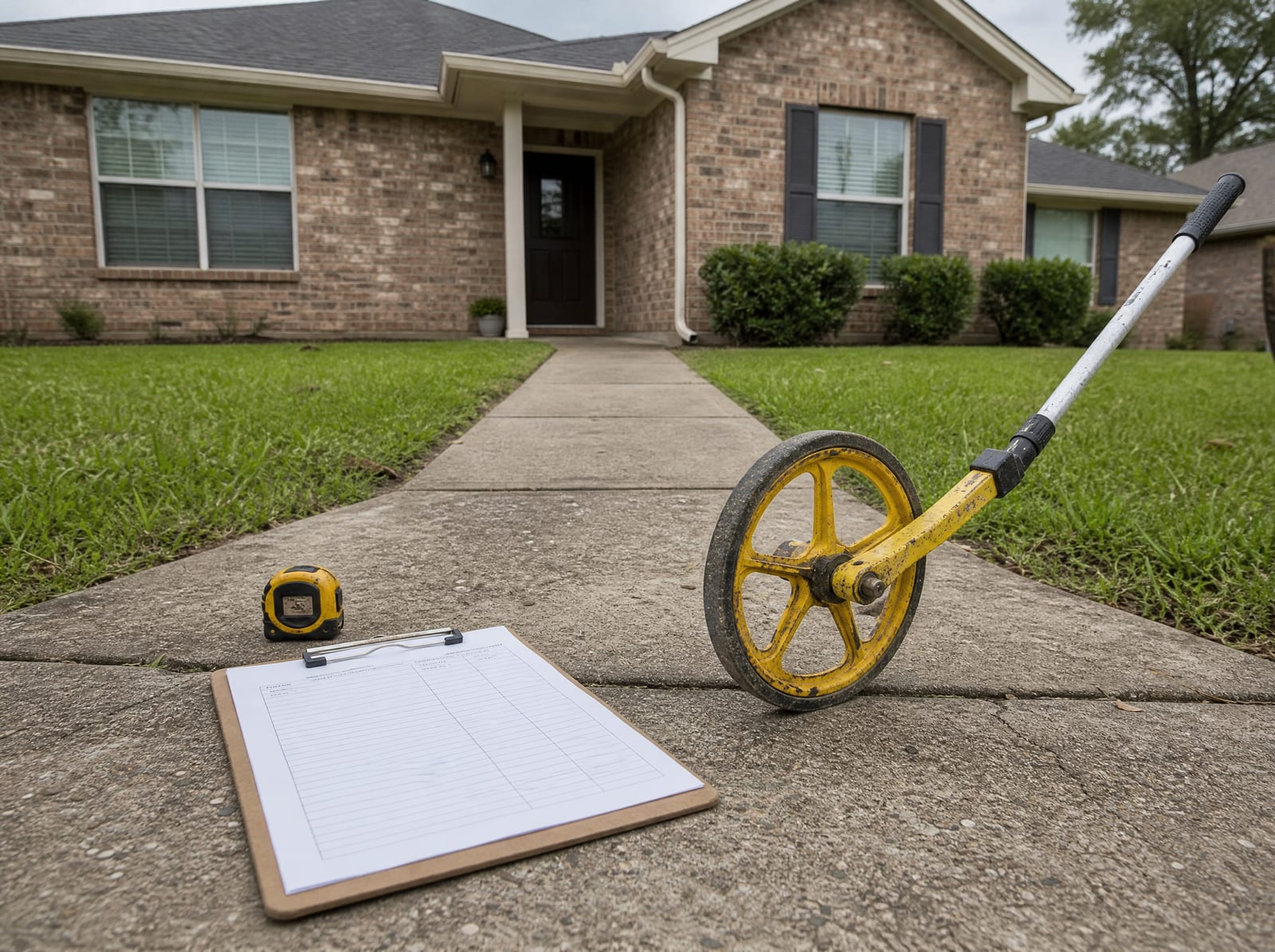
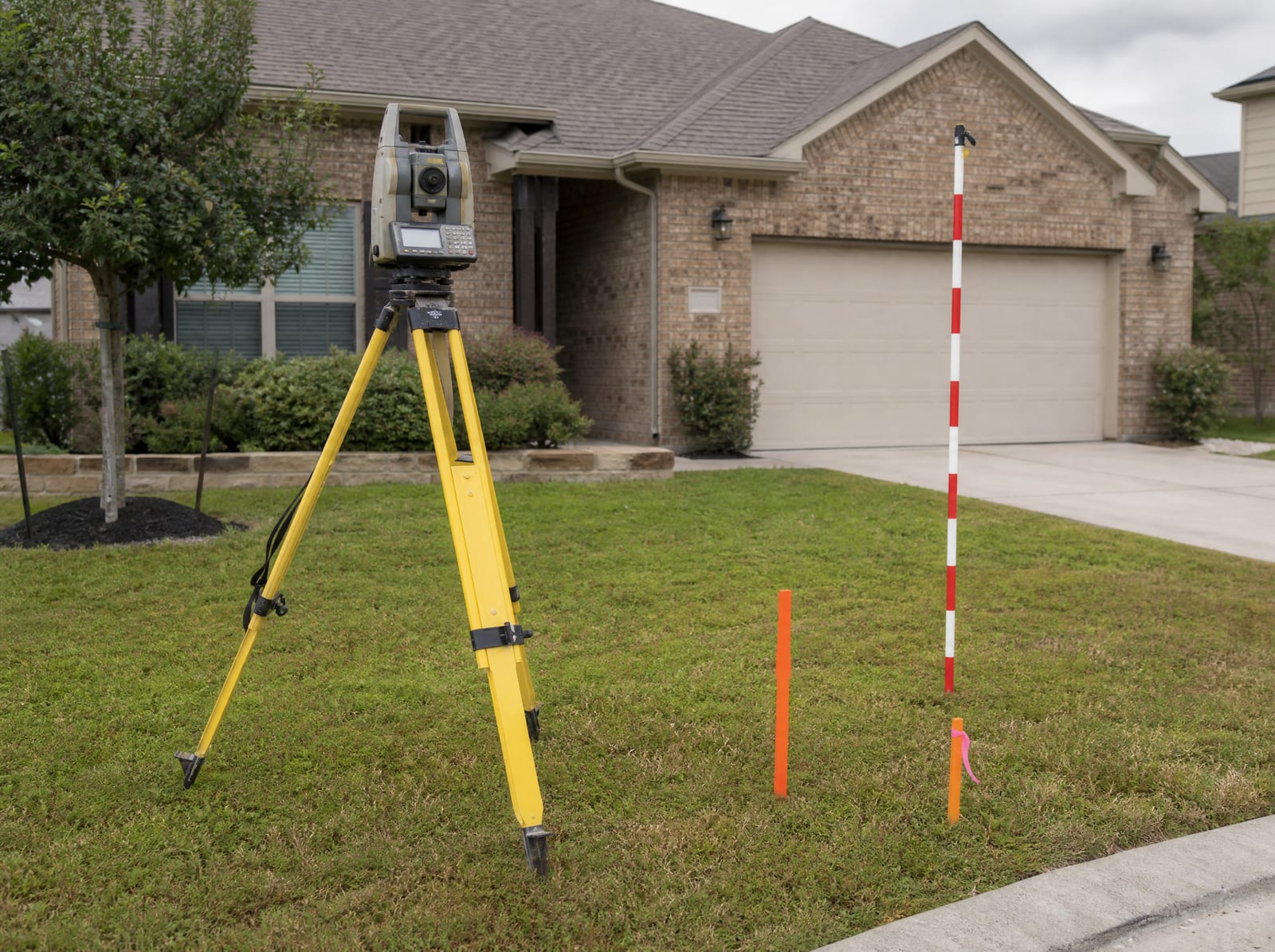
We review your property records, appraisal history, tax assessments, and recent comparable sales. We inspect your home to document improvements, special features, and condition. If you've made renovations or additions, we gather receipts and permits to establish their value. We also analyze how the proposed taking affects your remaining property if it's a partial taking.
Independent Appraisal
We retain qualified residential appraisers who work for you, not the government. These professionals understand how to value homeowner-specific factors that government appraisers often miss. They consider your home's condition, upgrades, location advantages, and the impact of the taking on your remaining property. This independent appraisal gives us a solid foundation for negotiation.
Strategic Negotiation
We prepare a comprehensive demand package that presents evidence of your property's true value and submit it to the condemning authority. We negotiate directly with government attorneys and project representatives, pushing for an offer that truly reflects what you're losing. Most cases settle at this stage when the government recognizes that our evidence supports a higher valuation.
Trial Preparation and Litigation
If settlement negotiations don't produce acceptable results, we file the necessary court papers and prepare for trial. We coordinate expert witnesses, prepare exhibits, and develop the strongest possible presentation of your case. At trial, a judge or jury determines the amount of just compensation you should receive.
Why Homeowners Choose Our Firm
Eminent domain law requires specific knowledge that general practice attorneys typically lack. Government entities and their attorneys handle condemnation cases regularly. They know the procedures, the valuation methods, and the legal arguments. Homeowners need representation that matches that experience level.
We've practiced eminent domain law since 1977, focusing significant attention on protecting property owners' rights in condemnation proceedings. Our attorneys have handled hundreds of cases throughout Houston and surrounding communities like Katy, Sugar Land, Pearland, and Richmond. We've represented homeowners against TxDOT for highway projects, utility companies for pipeline and transmission line easements, and local governments for public facility expansions.
We also maintain relationships with qualified independent appraisers, surveyors, and other experts who regularly testify in eminent domain proceedings. When valuation disputes require expert testimony, we bring credible professionals who can explain complex concepts clearly to judges and juries.
Most eminent domain attorneys, including our firm, work on a contingency basis. We receive a percentage of any amount we recover above the government's initial offer. This means you pay nothing upfront, and our fees come only from the additional compensation we secure for you.
Infrastructure Projects Affecting Houston Area Homeowners
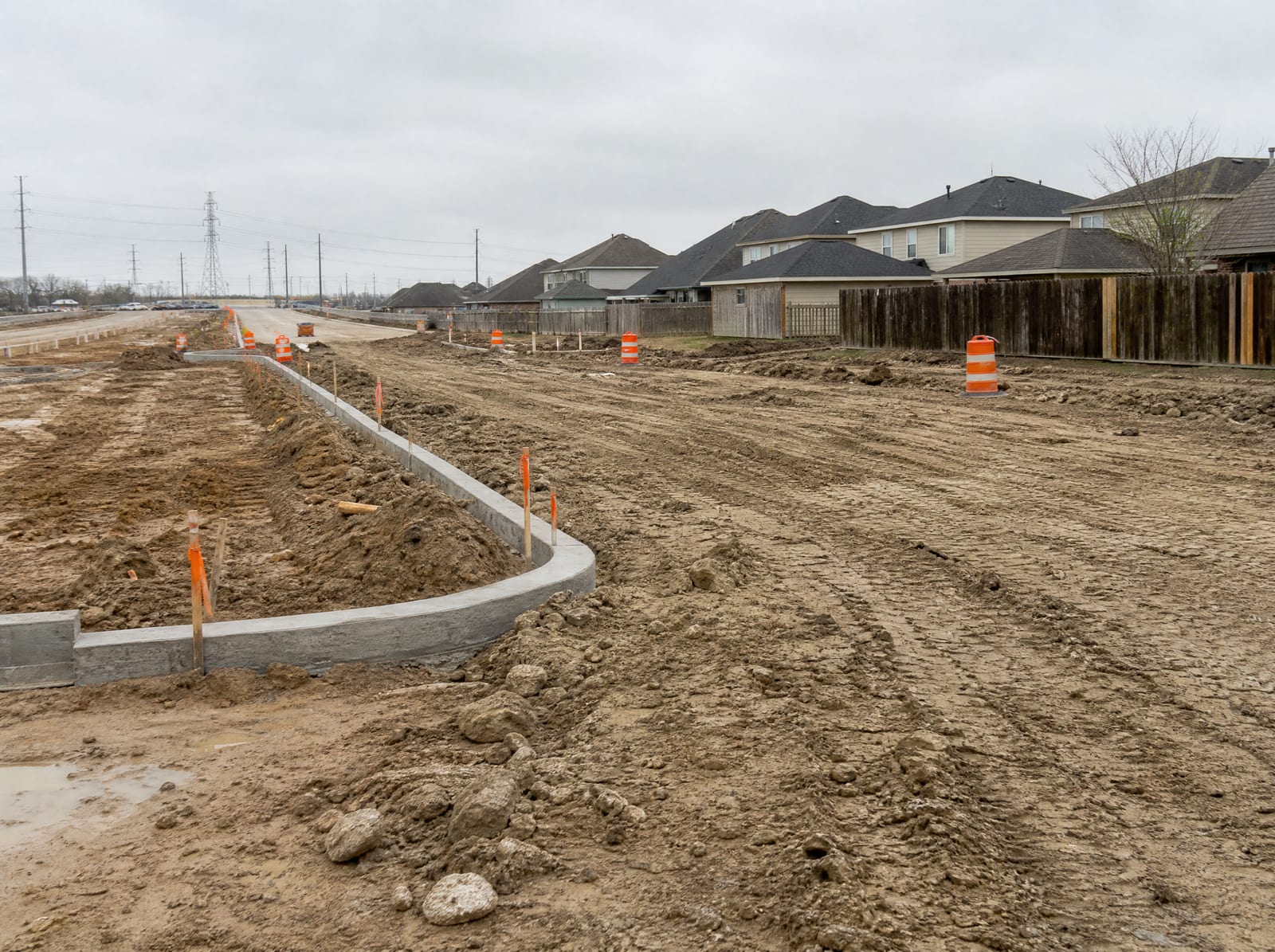
Major transportation and infrastructure projects regularly affect residential properties throughout the Houston metropolitan area. TxDOT continues expanding and improving highways to accommodate population growth, which often requires acquiring portions of properties along existing corridors. The Grand Parkway completion, I-45 expansion projects, and various arterial road improvements all impact homeowners.
Utility companies also pursue residential easements for natural gas pipelines, electric transmission lines, and water infrastructure. These projects may not take your entire property but can significantly affect how you use your land and whether future buyers find your home desirable.
Local governments in communities like Cinco Ranch, Missouri City, and Stafford sometimes need residential property for expanding parks, building public facilities, or improving drainage systems.
If you've received notice about any current infrastructure project affecting your home, understanding your timeline and rights early helps you make better decisions. Some projects allow more time for negotiation than others, and government entities sometimes offer better settlements to owners who retain attorneys quickly.
Common Questions From Homeowners Facing Condemnation
Can I refuse to let the government take my property?
No, you cannot stop a legitimate condemnation if the government proves the taking serves a valid public purpose. However, you have absolute rights regarding the amount of compensation you receive. You can challenge the government's valuation and demand fair payment for what you're losing.
How long does an eminent domain case take?
Timelines vary based on whether your case settles through negotiation or goes to trial. Simple cases with straightforward valuation issues might resolve in a few months. Complex cases involving significant valuation disputes can take a year or longer. Government project schedules sometimes create pressure to settle quickly, which can work to your advantage in negotiations.
Do I have to move out before receiving payment?
Generally, no. The government must either pay you the compensation amount or deposit it with the court before taking possession of your property. There are emergency procedures that allow quicker possession in certain situations, but even then you receive payment before you must vacate.
Can the government take just part of my property?
Yes, partial takings are common for projects like road widening, utility easements, or drainage improvements. When this happens, you're entitled to compensation not just for the land taken but also for how the taking affects your remaining property. This might include lost access, increased noise, reduced privacy, or diminished aesthetic value.
Do I have rights if the government only takes an easement?
Absolutely. Easements that allow utility companies or other entities to use part of your property have value. You should receive compensation for the easement itself and for any reduction in your property's value caused by the easement. Permanent easements that allow structures or regular access typically deserve higher compensation than temporary easements for construction purposes.
What if I recently made improvements to my home?
Recent improvements should increase your compensation amount if you can document them properly. Keep all receipts, permits, and contractor invoices related to renovations, additions, or upgrades. Photographs showing before and after conditions also help. The timing of improvements relative to when the government announced the project can affect valuation.
Schedule An Attorney Consultation
Fields marked with an asterisk are required.
Discuss your representing homeowners matter
Contact Showalter Colgin & Davis at (281) 341-5577 to speak with an attorney. We serve property owners, businesses, and families throughout the Greater Houston area.