


When a loved one passes away, settling their estate through probate can feel overwhelming. Our attorneys guide families through Texas probate proceedings with clear explanations, compassionate service, and efficient administration to honor your loved one's wishes and protect beneficiary rights.
Settling an Estate Is Hard Enough Without Legal Complications.
When probate becomes contested or complex, having an experienced attorney makes the process clearer and less stressful. We help families across Fort Bend County, Greater Houston, and Texas protect what their loved ones intended.
What Is Probate and When Do You Need It?
Probate is the legal process of settling a deceased person's estate under court supervision. If your loved one owned property solely in their name or left a will requiring court validation, you'll likely need to open a probate case in the county where they lived. This process ensures debts get paid, assets get distributed according to the will or Texas law, and rightful heirs receive what they're entitled to receive.
Not every estate requires formal probate. Small estates valued under certain thresholds may qualify for simplified procedures like small estate affidavits or muniment of title. Families often need probate when real property exists, significant financial accounts were held individually, or disputes arise among potential heirs.
We evaluate your specific situation and recommend the most efficient path forward. We handle independent administrations when possible, which allow executors to manage estates with minimal court supervision. When family disagreements emerge or complex assets require careful handling, we prepare for dependent administration with appropriate court oversight.

The Probate Process in Fort Bend County
Most probate cases in Fort Bend County courts follow this general sequence, though every estate presents unique circumstances.
 1
1Filing the Application
We prepare and file an application for probate with the appropriate court, typically within four years of death. This application includes the original will (if one exists), death certificate, and information about heirs and beneficiaries.
 2
2Court Hearing and Appointment
The court schedules a hearing, usually within two to four weeks. We attend this hearing with you to present the will for validation and request appointment of an executor or administrator. The judge reviews evidence, hears any objections, and issues orders appointing the personal representative with authority to act on behalf of the estate.
 3
3Inventory and Appraisement
Within 90 days of appointment, the executor must file a detailed inventory listing all estate assets and their values. We help identify bank accounts, real estate, vehicles, business interests, personal property, and other assets. Accurate valuation protects everyone's interests and establishes the estate's total worth for distribution purposes.
 4
4Notice to Creditors and Claims Review
Texas law requires publication of notice to creditors, giving them a deadline to file claims against the estate. We handle this publication requirement and review any claims submitted. Valid debts get paid from estate funds according to statutory priority, while questionable claims may be contested to protect beneficiaries.
 5
5Asset Management and Distribution
The executor manages estate property during probate, which may include maintaining real estate, collecting debts owed to the deceased, selling assets as needed, and filing final tax returns. Once debts are satisfied and the court approves, we prepare distribution documents transferring property to beneficiaries.
 6
6Closing the Estate
We file final accountings showing all money received and spent during administration. After court approval and confirmation that all duties are complete, the judge signs orders closing the estate and discharging the personal representative from further responsibility. The entire process typically takes eight months to two years depending on complexity.
Common Probate Challenges We Handle
Estate administration doesn't always proceed smoothly. We regularly handle complications that arise during probate and know how to resolve them efficiently.
Will Contests and Validity Disputes
Family members sometimes question whether a will is valid, claiming undue influence, lack of mental capacity, or improper execution. We represent both contestants challenging a will and beneficiaries defending its validity. Our will contest experience includes gathering medical records, taking depositions, and presenting evidence to support our client's position.

Missing or Lost Wills
When an original will cannot be located, Texas law presumes the deceased revoked it. We can overcome this presumption by proving the will's contents and demonstrating it wasn't intentionally destroyed. This involves locating copies, interviewing witnesses who saw the will, and presenting clear and convincing evidence to the court.
Heirship Determinations
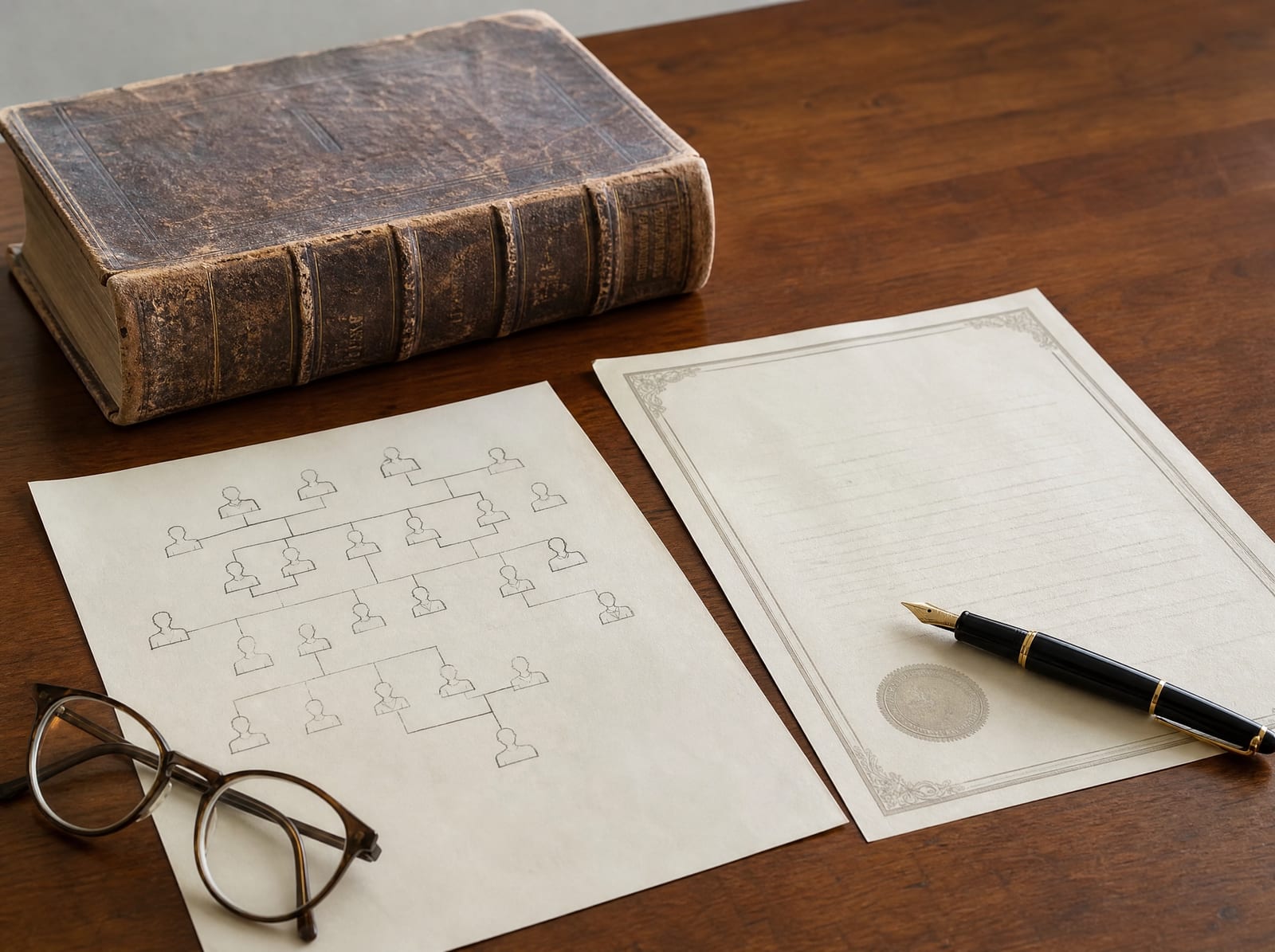
If someone dies without a will, the court must determine legal heirs before distributing assets. This heirship proceeding requires investigating family relationships, sometimes going back generations. We conduct genealogical research, interview relatives, and present evidence establishing who qualifies as heirs under Texas intestacy statutes.

Executor Misconduct Claims
Personal representatives owe fiduciary duties to beneficiaries. When executors mismanage assets, make unauthorized transfers, or fail to account for property, beneficiaries can seek their removal and recover losses. We pursue breach of fiduciary duty claims against executors who violate their obligations and defend executors against unfounded accusations.
Real Estate Title Issues
Probate property sometimes has title defects, boundary disputes, or unclear ownership interests that need resolution before transfer. We coordinate with our real estate law team to clear title problems, quiet disputed claims, and ensure property passes to beneficiaries with marketable ownership.
Creditor Disputes
Not every claim filed against an estate deserves payment. We examine creditor claims for validity, proper documentation, and statutory compliance. Questionable claims get contested to preserve estate assets for rightful beneficiaries. We also negotiate settlements when appropriate and ensure claims get paid in correct legal priority.

Independent vs. Dependent Administration
Texas offers two primary forms of estate administration. Independent administration allows executors to handle most estate matters without seeking court approval for routine actions. This streamlined approach reduces costs, speeds up the process, and gives families more flexibility in managing assets. If the will names an independent executor or all heirs agree, this option usually makes the most sense.
Dependent administration requires court approval for significant actions like selling property, making distributions, or paying claims. Courts impose this when the will doesn't authorize independent administration, heirs can't agree, or concerns exist about the executor's ability to properly manage the estate. This approach provides additional oversight but comes with higher costs and longer timelines.
We can explain which administration type fits your situation after reviewing the specifics of your case. Making the right choice at the outset prevents problems later.

Protecting Your Rights as a Beneficiary or Heir
Beneficiaries and heirs have legal rights during probate that executors must respect. You're entitled to receive notice of probate proceedings, inspect estate inventories and accountings, and object to improper actions. If the executor fails to communicate, refuses to provide information, or appears to be mishandling assets, you don't have to simply accept it.
We represent beneficiaries who suspect problems with estate administration. This includes reviewing accountings for unauthorized expenditures, investigating whether assets were properly valued, and examining transactions to ensure the executor acted in the estate's best interest. When necessary, we file formal objections to accountings, petition for the executor's removal, or pursue claims to recover misappropriated property.
Many beneficiaries hesitate to take action because they don't want to create family conflict. We try to resolve issues through negotiation when possible; sometimes a letter from an attorney prompts better communication and compliance. Other situations require formal court intervention to protect your inheritance. We tailor our approach to your goals while advocating for your legal rights.
Probate Experience Serving Fort Bend County Since 1977
We've served families in Richmond, Sugar Land, Rosenberg, and throughout Fort Bend County since 1977. Our attorneys appear regularly in the county probate court and know the judges, procedures, and local practices. This familiarity helps us anticipate issues, prepare properly, and move cases efficiently through the system.
Our firm also handles estate planning, which gives us perspective on how planning decisions affect probate administration. This dual focus means we can advise on improving estate plans for surviving family members while handling current probate needs.
You'll work directly with experienced attorneys, not paralegals or junior associates. We take time to explain proceedings in plain language, answer your questions thoroughly, and keep you informed as your case progresses. Our approach combines legal skill with genuine understanding of what families experience during this challenging time.

Frequently Asked Questions About Probate
How long does probate take in Texas?
Simple independent administrations often close within eight to twelve months. Complex estates with disputes, business interests, or significant debts may take two years or longer. The timeline depends on factors including estate size, whether heirs cooperate, creditor claim volume, and whether anyone contests the will or administration.
What happens if someone dies without a will?
Texas intestacy laws determine who inherits when no valid will exists. The distribution formula depends on which relatives survive. Spouses and children typically receive priority, but parents, siblings, and more distant relatives may inherit if closer family doesn't exist. The court appoints an administrator (usually a close family member) to handle estate settlement.
Can I avoid probate entirely?
Some assets pass outside probate through beneficiary designations, joint ownership with survivorship rights, or transfer-on-death arrangements. Living trusts allow property to transfer without court involvement if properly funded during life. However, probate may still be necessary for individually owned property without beneficiary designations. Our estate planning attorneys can review whether probate avoidance strategies make sense for your situation.
How much does probate cost?
Costs vary based on estate complexity, administration type, and whether disputes arise. Basic expenses include court filing fees (a few hundred dollars), publication costs for creditor notices, appraisal fees, and attorney fees. Independent administrations with cooperative heirs cost less than dependent administrations or contested proceedings. We provide estimates after reviewing your specific circumstances.
What if the will names me as executor but I don't want the job?
Named executors can decline appointment by filing a formal declination with the court. Someone else, typically an alternate named in the will or a family member willing to serve, can then be appointed. You should consult an attorney before declining to understand any implications and ensure the declination is properly filed.
Can creditors take everything before beneficiaries receive anything?
Texas law prioritizes certain debts but also protects family allowances and exempt property. Funeral expenses and administrative costs get paid first, followed by secured debts and unsecured claims. Beneficiaries receive what remains after valid debts are satisfied. Homesteads and certain personal property may pass to family members exempt from creditor claims.
What if family members disagree about estate distribution?
Disagreements among heirs can complicate probate and may require mediation or court hearings to resolve. We represent clients in these disputes, whether you're seeking to uphold the will's terms or challenging distribution that seems unfair. Sometimes disagreements stem from misunderstandings that proper communication can resolve; other times, formal legal action becomes necessary.
Do I need a lawyer if I'm the executor?
Texas law doesn't require executors to hire attorneys, but most do. Probate involves strict deadlines, detailed court filings, accounting requirements, and legal responsibilities where mistakes can create personal liability. An attorney helps you fulfill duties properly, avoid costly errors, and handle complications that arise. The estate pays reasonable attorney fees, not the executor personally.
Schedule An Attorney Consultation
Fields marked with an asterisk are required.
Discuss your probate matter
Contact Showalter Colgin & Davis at (281) 341-5577 to speak with an attorney. We serve property owners, businesses, and families throughout the Greater Houston area.