
Practice Areas
Eminent Domain
When the government takes your property, you deserve fair compensation. Showalter Colgin & Davis has defended property owners' rights in Texas since 1977.
The Government Wants Your Land. We Protect Your Rights.
When a government entity or utility company comes after what you own, you deserve experienced representation. Our Richmond attorneys have fought for property owners across Fort Bend County, Greater Houston, and the state of Texas.
Your Property Rights Matter
The government can legally take your property for public use, but that doesn't mean you're powerless. Under the Fifth Amendment, you're entitled to just compensation for what you lose.
At Showalter Colgin & Davis, PLLC, we represent property owners facing eminent domain proceedings throughout the Greater Houston area. You have the right to challenge inadequate offers, demand proper valuation, and hold condemning authorities accountable. We make certain you receive every dollar your property deserves.
What Is Eminent Domain?
Eminent domain is the government's constitutional power to take private property for public use. This power extends to federal, state, and local government agencies, and in some cases, to private entities like utility companies acting under government authority.
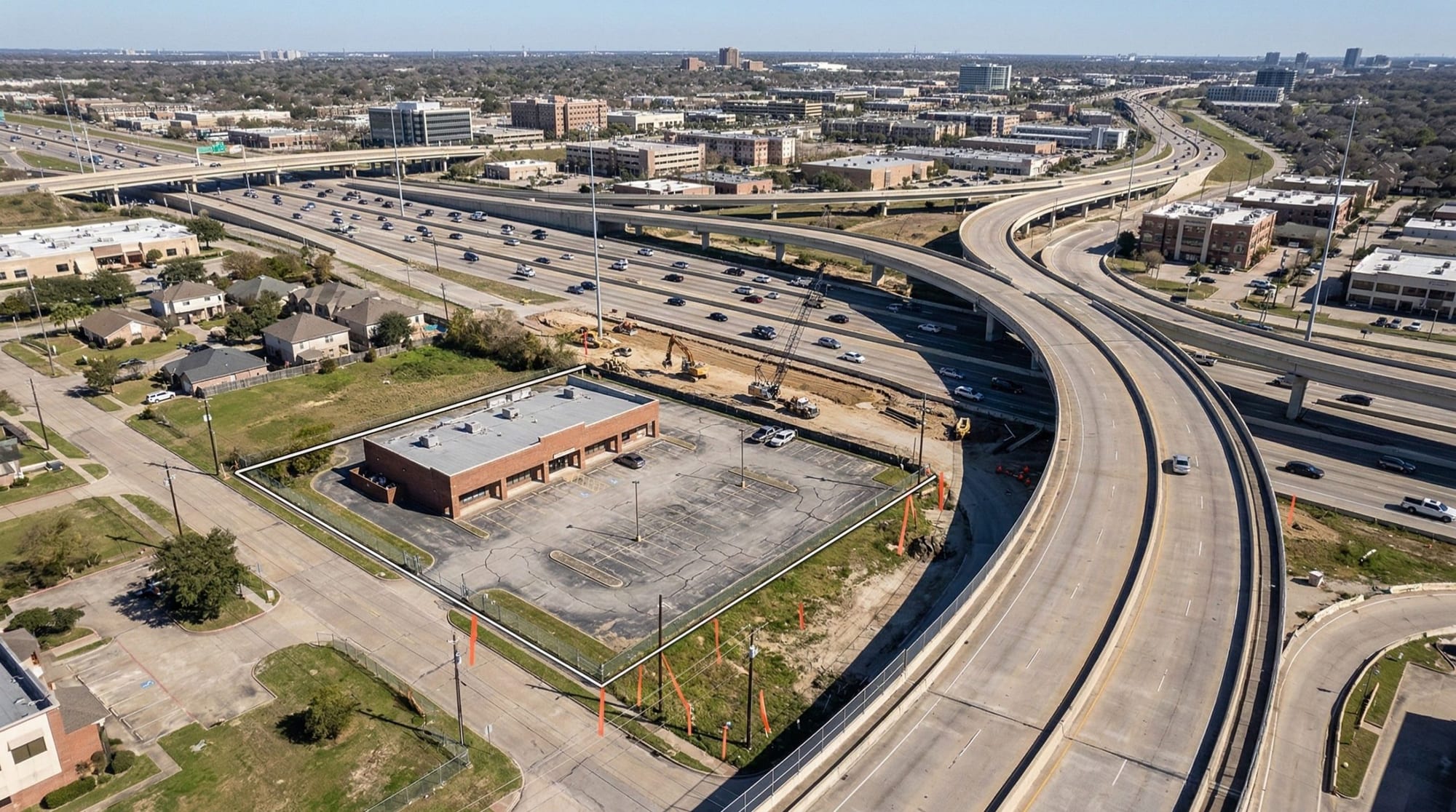
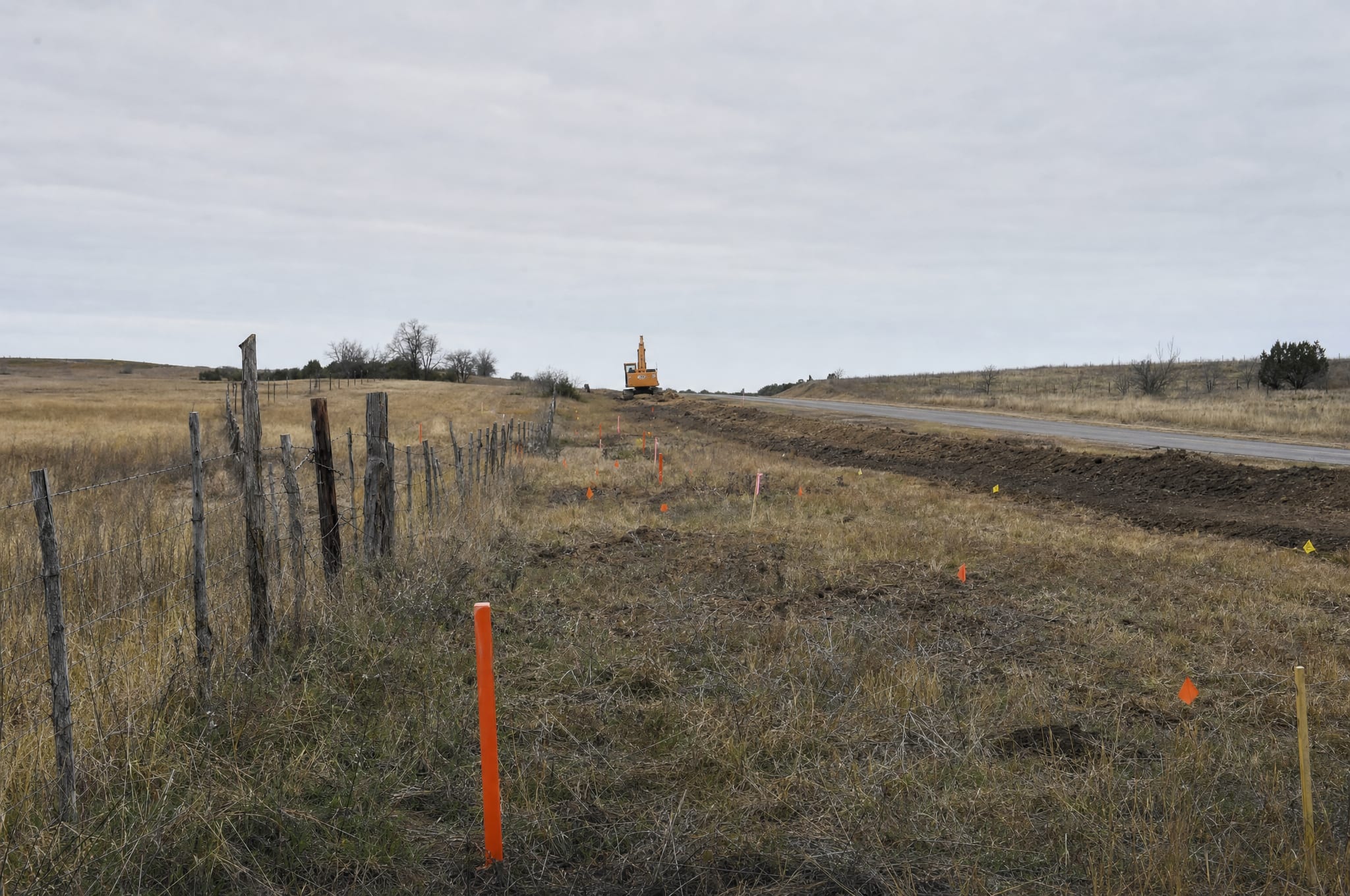
Common projects triggering eminent domain include highway expansions, utility line installations, pipeline construction, public transportation systems, schools, parks, and flood control infrastructure. The process can target part of your property (a partial taking) or the entire parcel (a total taking).
Texas law requires condemning authorities to prove their project serves a public purpose and to pay just compensation before taking possession. However, what the government initially offers rarely reflects the property's true value or accounts for all damages you'll suffer.
You have the right to hire independent appraisers, negotiate compensation amounts, and take your case to court if the government's offer falls short. Many owners accept lowball offers simply because they don't understand their legal options.
Understanding Just Compensation in Texas
The Texas Constitution guarantees property owners just compensation when the government exercises eminent domain. This means you're entitled to the property's fair market value, plus additional damages resulting from the taking.
Fair market value reflects what a willing buyer would pay a willing seller in an open market transaction. However, calculating this value requires analyzing comparable sales, considering the property's unique characteristics, and accounting for its highest and best use. Government appraisers often overlook factors that increase value or apply inappropriate comparable sales to justify lower offers.
Beyond the taken land's value, Texas law recognizes several types of compensable damages. If the taking severs your property, creating an orphaned parcel with limited access or irregular shape, you're entitled to compensation for that diminished value. If the project damages remaining property through increased noise, reduced privacy, or limited access, those impacts must be factored into your award.
Business owners can recover for lost profits, relocation expenses, and business interruption when condemnation forces a move or disrupts operations. Homeowners may receive compensation for moving costs, temporary housing, and the emotional distress of involuntary relocation.
How Eminent Domain Protection Works
Our representation covers every stage of the condemnation process, from initial contact through final compensation.
 1
1Initial Notice and Assessment
When you receive notice of a potential taking, we review the government's justification, examine survey documents, and assess your property's market value. We evaluate all damages, including diminished value to remaining property, business losses, relocation costs, and loss of access.
 2
2Independent Valuation
We engage qualified appraisers who understand Texas condemnation standards. These experts consider comparable sales, income potential, development opportunities, and special-use values. Their reports provide the foundation for negotiating fair compensation.
 3
3Negotiation With Condemning Authorities
Most cases settle before trial when property owners have experienced legal counsel. We present detailed evidence of your property's value and document all damages. Our goal is to secure maximum compensation without unnecessary litigation costs.
 4
4Trial Preparation and Litigation
If negotiations fail, we prepare your case for trial. This involves deposing the government's appraisers, gathering testimony from neighbors and business owners, and presenting your property's unique characteristics to commissioners or a jury. We handle all procedural requirements and protect your rights throughout court proceedings.
 5
5Post-Judgment Actions
After a judgment, we review the outcome for potential appeals or motions. If the government awarded insufficient compensation or procedural errors occurred, we will pursue additional remedies to protect your interests.
Who We Represent in Eminent Domain Cases
Our practice serves diverse property owners facing condemnation throughout the Houston metropolitan area.
Landowners
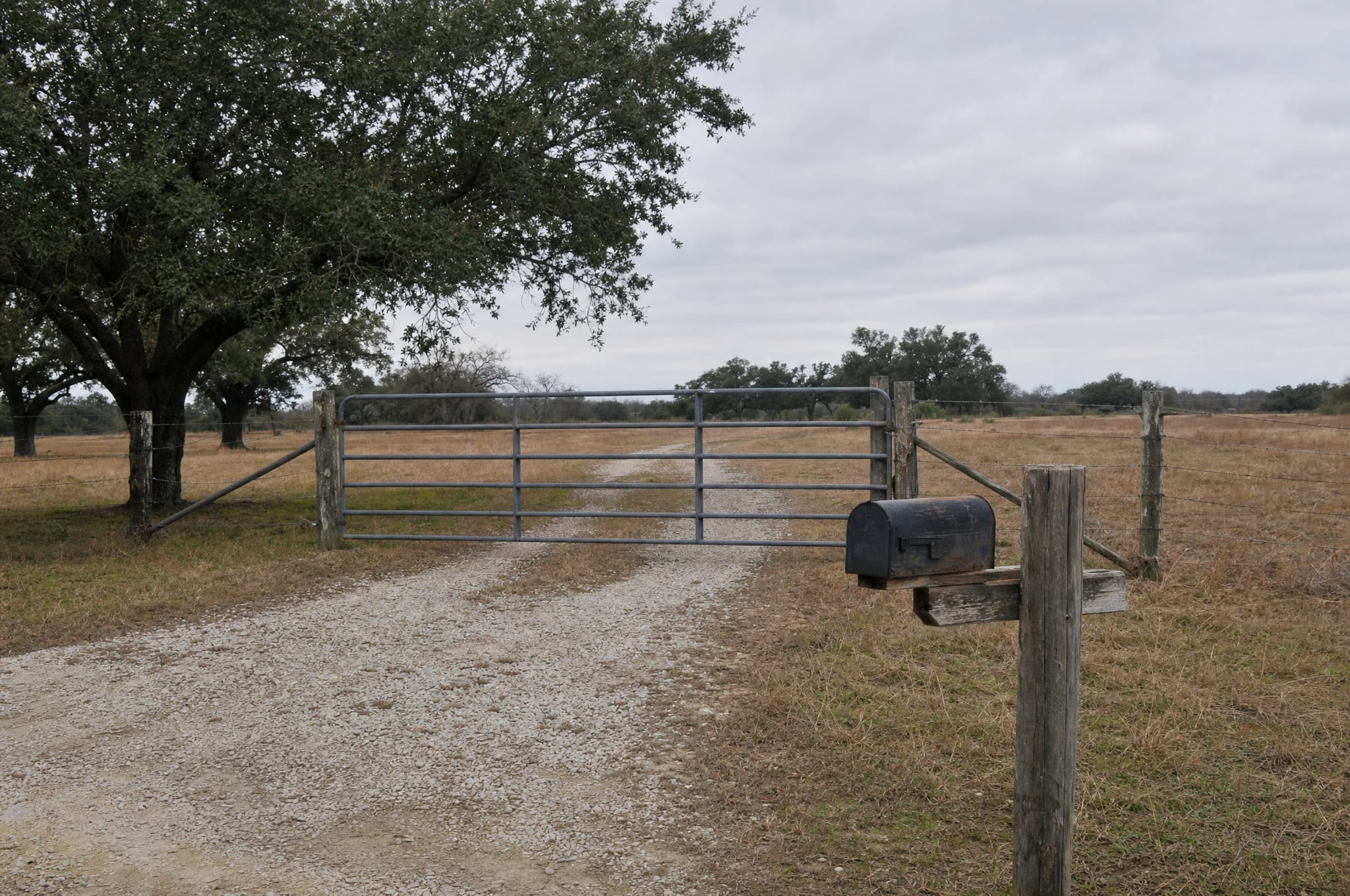
Rural property owners facing pipeline easements, utility corridors, or highway expansions often see their agricultural operations disrupted or their land's development potential destroyed. We help landowners recover compensation for lost acreage, severed parcels, and diminished land values. Whether you own working farmland, timberland, or undeveloped property with future growth potential, we fight to preserve your investment and your livelihood.
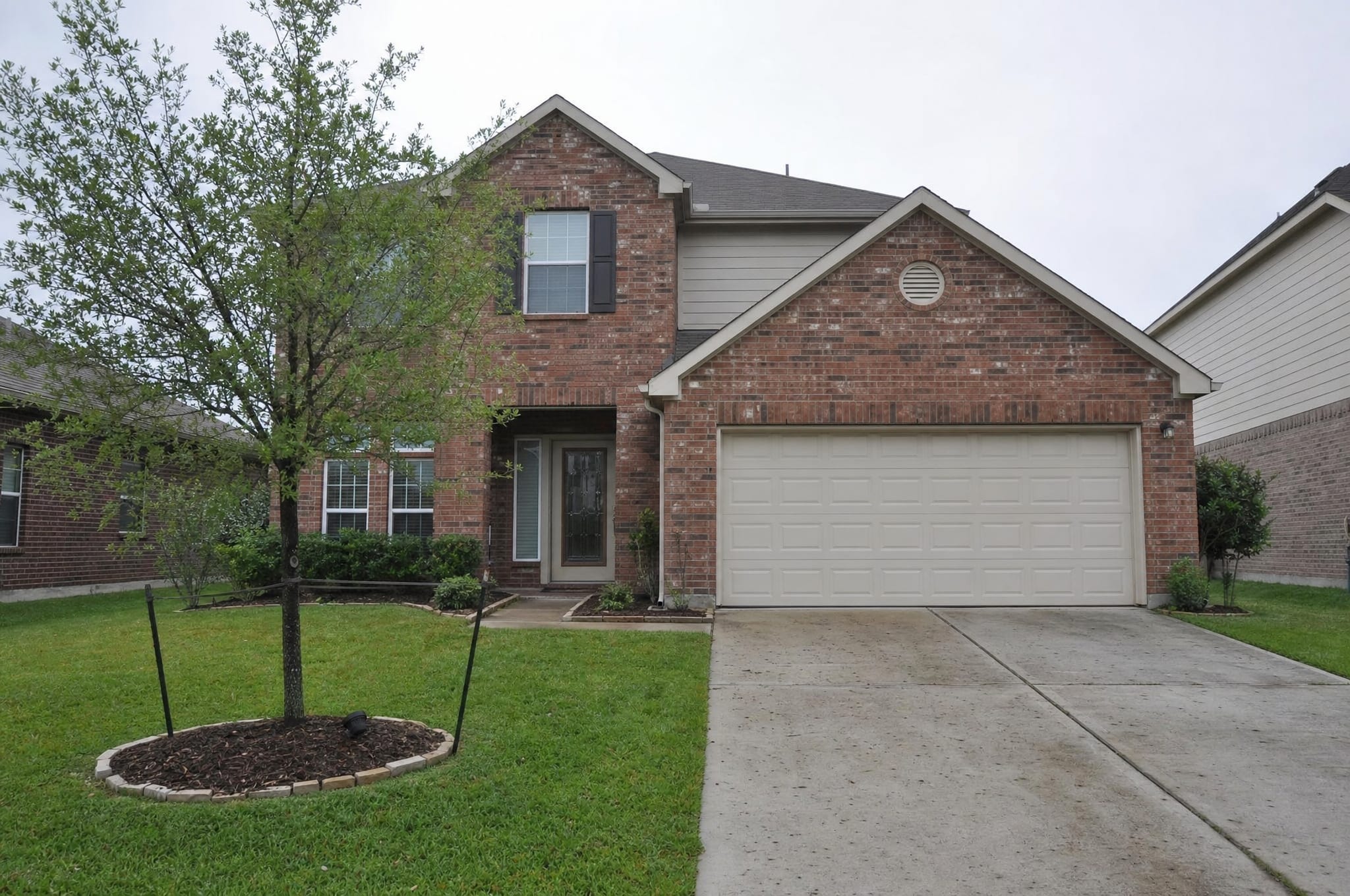
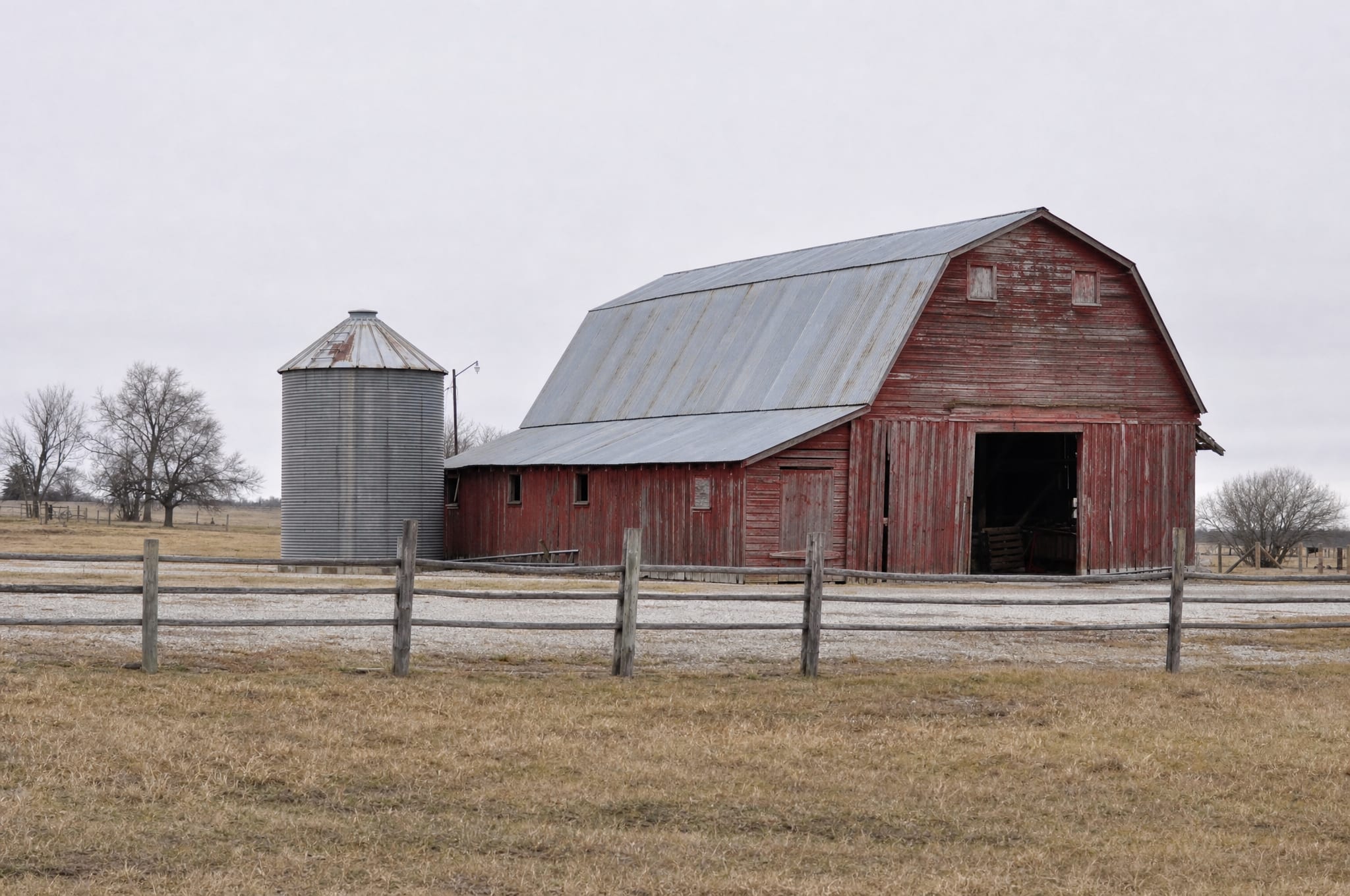
Homeowners
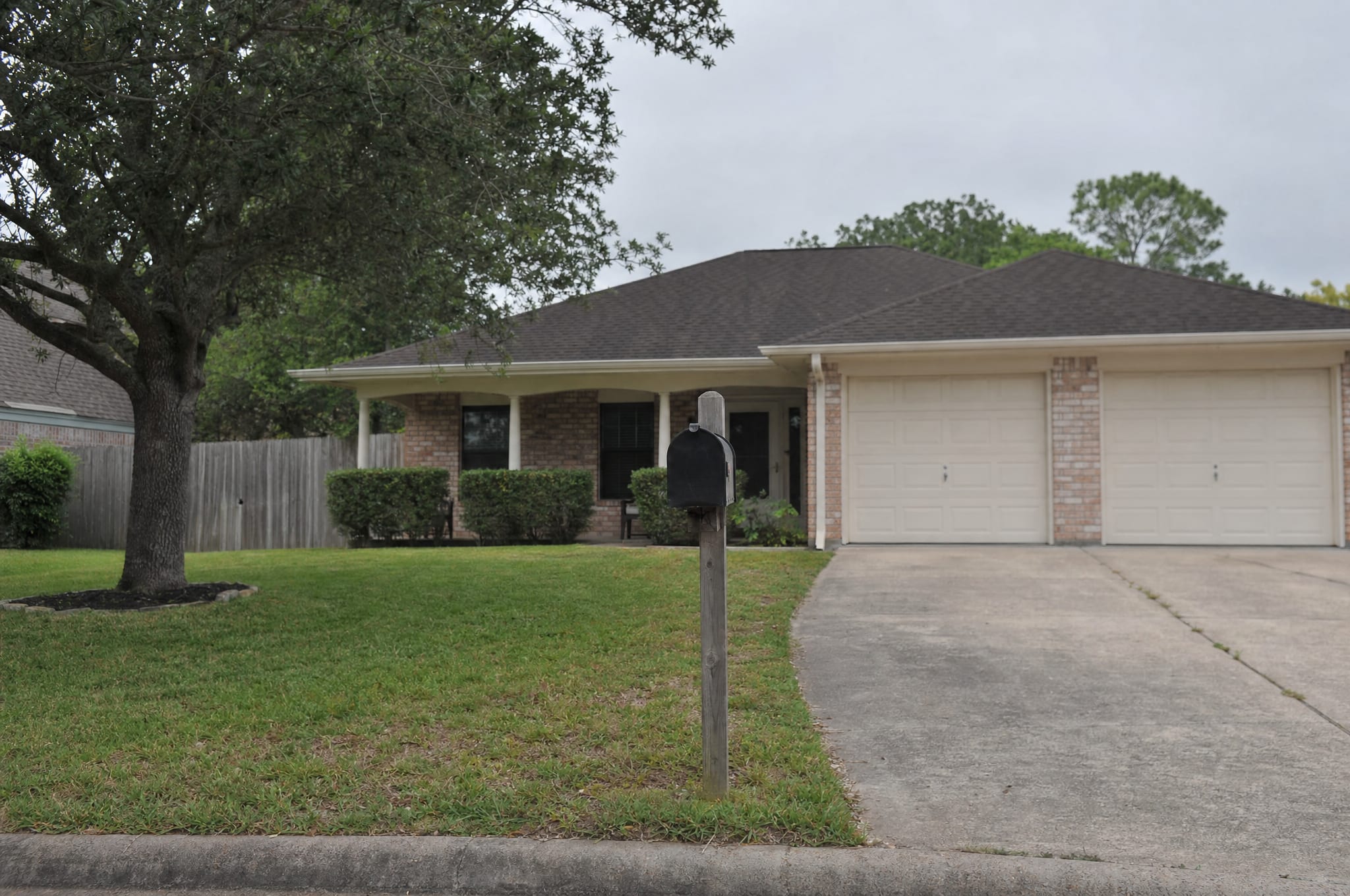
Losing part of your front yard to road widening or surrendering property for utility installations affects more than just square footage. These takings impact your privacy, your home's curb appeal, and your property's resale value. We represent homeowners seeking compensation for lost yard space, relocation expenses, diminished market value, and the emotional toll of involuntary property loss.
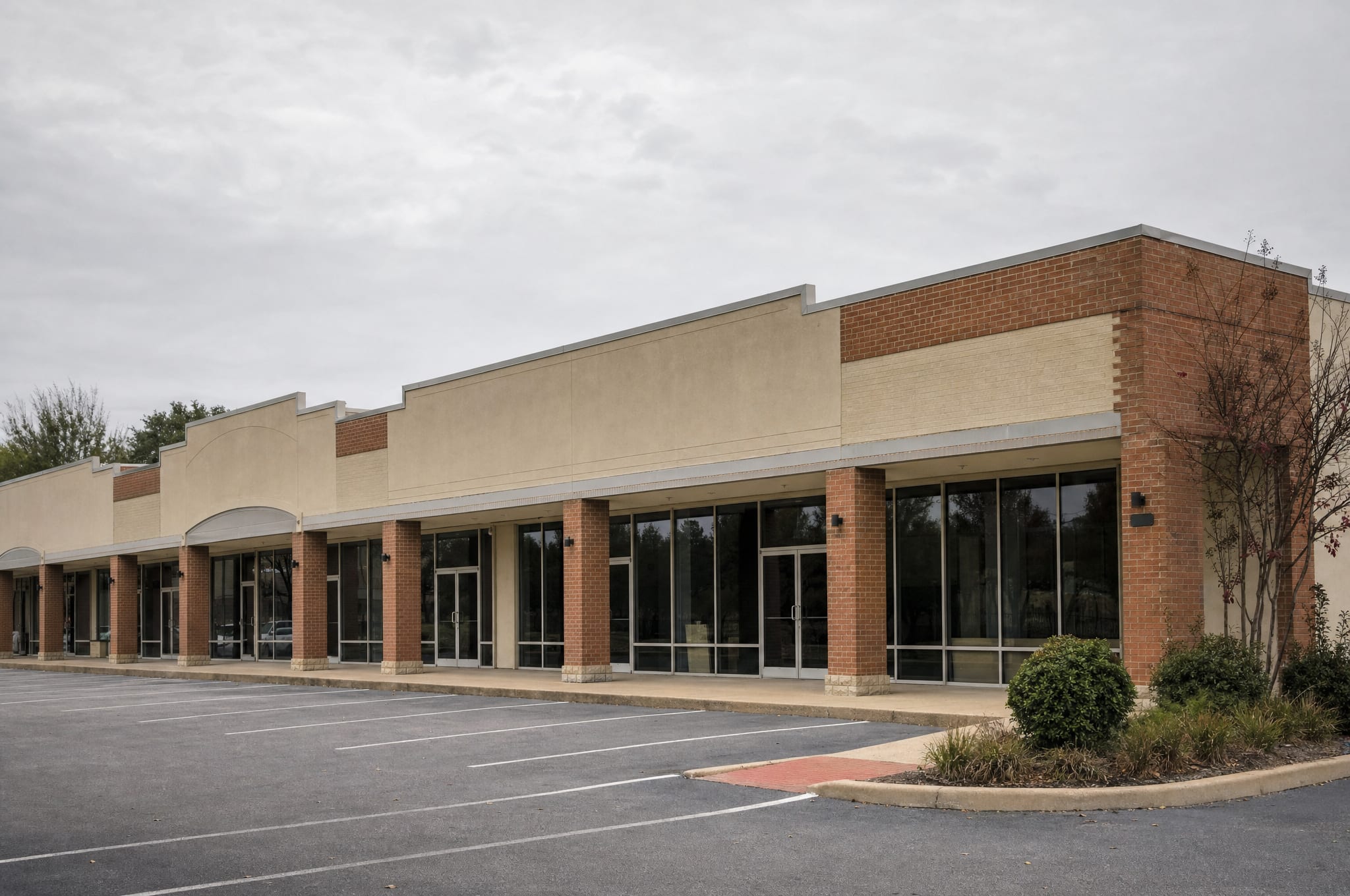
Commercial Property Owners
When condemnation threatens business property, the stakes extend beyond land value. Lost parking spaces can drive away customers. Construction disruption can shut down operations for months. Reduced street visibility can permanently damage your bottom line. Our attorneys help commercial property owners recover for business interruption, customer access issues, signage removal, and all economic damages flowing from the taking.
Property Owners Throughout the Greater Houston Area
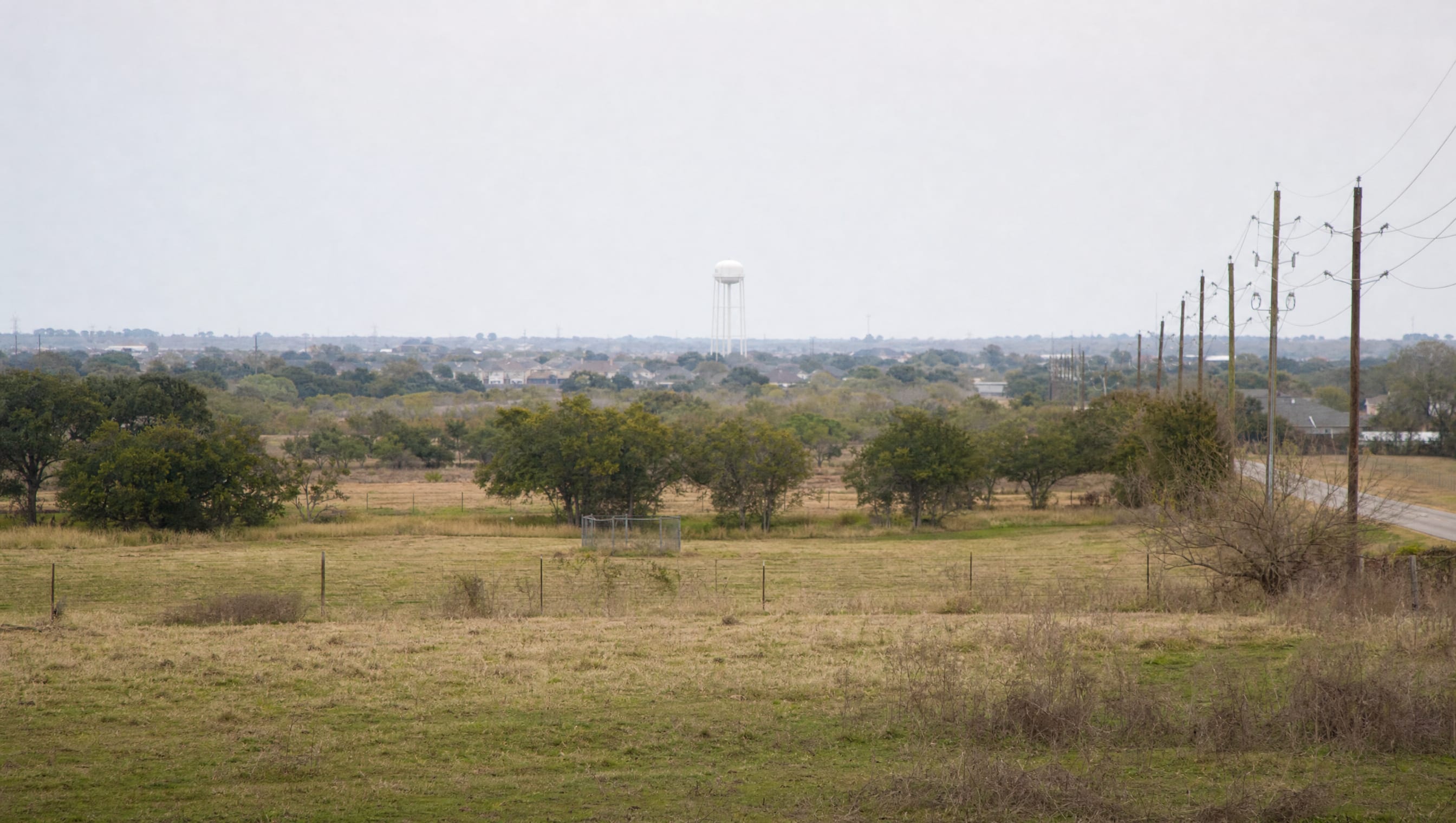
We serve clients in Houston, Katy, Sugar Land, Pearland, Pasadena, and dozens of surrounding communities. Whether you're dealing with TxDOT, utility companies, municipal authorities, or drainage districts, we understand the local landscape and the specific challenges property owners face in this region.

Why Property Owners Choose Our Firm
Since 1977, Showalter Colgin & Davis has focused on condemnation cases, giving us a detailed understanding of valuation methodologies, Texas condemnation procedures, and the tactics government attorneys employ to minimize payouts. We've handled cases involving major highway projects, pipeline corridors, utility easements, and municipal acquisitions.
This experience means we know what evidence persuades commissioners, which experts provide credible testimony, and how to counter the government's standard valuation arguments. Our attorneys include members with backgrounds in real estate transactions, giving us insight into property valuation that proves valuable when analyzing comparable sales, assessing the highest and best use, and challenging government appraisers' assumptions.
Property owners appreciate our straightforward communication. We explain complex legal concepts in plain language, keep you informed of case developments, and answer questions promptly. You'll always understand where your case stands and what options you have.
Frequently Asked Questions About Eminent Domain
Can I refuse to sell my property to the government?
You cannot prevent a valid taking if the condemning authority proves public necessity and follows proper procedures. However, you can challenge the necessity, contest the amount of property taken, and fight for maximum compensation. Many property owners successfully negotiate better terms or reduced takings by asserting their legal rights early in the process.
How long does the eminent domain process take?
Timeline varies significantly based on the condemning authority, property complexity, and whether parties reach settlement. Simple easement acquisitions may resolve in months, while contested total takings can extend beyond a year. The government must deposit estimated compensation before taking possession, providing you funds during negotiations. Cases proceeding to trial require additional time for discovery, expert reports, and court scheduling.
What happens if I disagree with the government's appraisal?
Property owners have the absolute right to challenge the government's valuation. We hire independent appraisers who provide objective analysis of your property's worth. If settlement negotiations fail, your case proceeds to a panel of special commissioners or, upon objection, to district court for jury trial. Texas law allows property owners to present evidence of value and cross-examine the government's experts.
Will I have to pay my attorney if I lose?
Most eminent domain attorneys, including our firm, work on contingency, meaning we receive payment only when we secure compensation exceeding the government's initial offer. You never pay fees if we don't improve upon what the condemning authority offered. This arrangement makes legal representation accessible regardless of your financial situation and aligns our interests with yours.
Can the government take my property for private development?
Texas law generally prohibits using eminent domain to transfer property from one private owner to another for economic development. However, exceptions exist for utilities, railroads, and certain quasi-governmental entities. The condemning authority must demonstrate a clear public use. If you question whether a proposed taking serves legitimate public purpose, legal counsel can evaluate the project's validity and challenge improper condemnations.
What if the taking only affects part of my property?
Partial takings create unique valuation challenges. You're entitled to compensation for the land actually taken, plus damages to your remaining property. These damages might include loss of access, reduction in market value, severance of parcels, or interference with existing improvements. The government often ignores or minimizes these consequential damages, making experienced legal representation especially valuable in partial taking cases.
Do I need an attorney if the government's offer seems fair?
The government's first offer rarely reflects your property's true value. Condemning authorities know most property owners lack the resources to properly value their land and will accept inadequate compensation out of fear or confusion. An attorney costs you nothing if the offer truly is fair, but nearly always secures significantly higher compensation. Consultation carries no obligation and provides clarity about whether you're receiving appropriate payment.
What information should I gather after receiving a condemnation notice?
Collect all property deeds, surveys, appraisals, tax records, and documents showing property improvements or development plans. Take photographs of the affected area and any improvements that might be damaged or destroyed. Document any income the property generates, whether from agricultural use, rentals, or business operations. Gather information about comparable property sales in your area. This documentation helps your attorney build a comprehensive case for maximum compensation.
Schedule An Attorney Consultation
Fields marked with an asterisk are required.
Discuss your eminent domain matter
Contact Showalter Colgin & Davis at (281) 341-5577 to speak with an attorney. We serve property owners, businesses, and families throughout the Greater Houston area.