

Practice Areas
Representing Commercial Property Owners
When government entities target your business property for acquisition, you need attorneys who understand commercial property valuation, business interruption damages, and just compensation. Showalter Colgin & Davis, PLLC has defended commercial property owners across Texas since 1977.
Your Business Property Is Worth Fighting For.
When eminent domain threatens your commercial investment, the financial stakes are significant. Our attorneys have the litigation experience to pursue full and fair compensation for business and commercial property owners across Fort Bend County, Greater Houston, and Texas.
Protecting Your Business Assets and Future
Commercial property owners face unique challenges when governmental entities exercise eminent domain powers. Unlike residential properties, your commercial holdings represent active business operations, rental income streams, customer relationships, and established market positions. When TxDOT, utility companies, or municipal authorities initiate condemnation proceedings against your commercial property, they rarely account for the full scope of economic impact on your business.
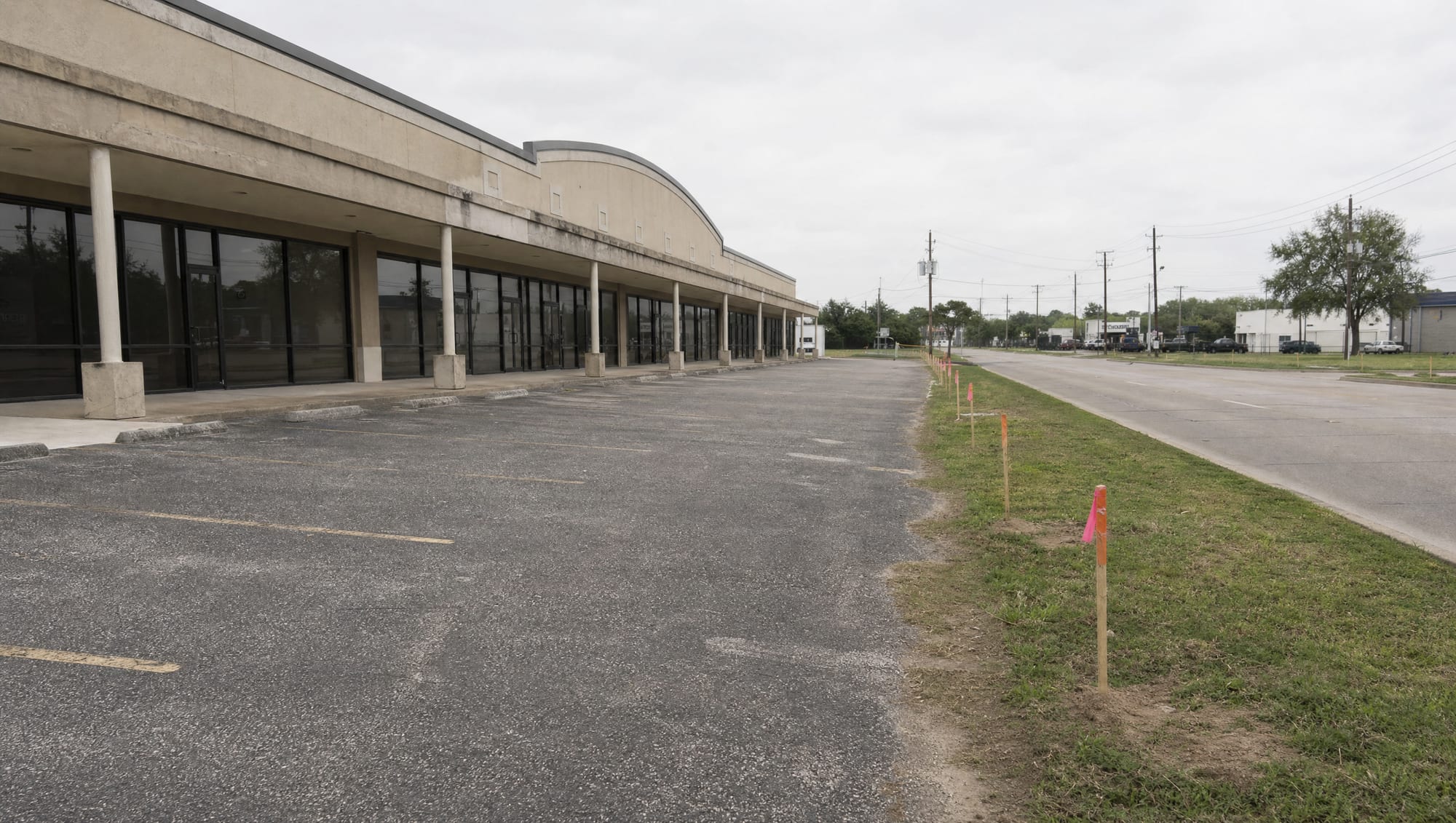
Our firm represents warehouse owners, retail property landlords, industrial facility operators, office building investors, and mixed-use development proprietors throughout the Greater Houston area. We handle cases involving partial takings that disrupt parking access, full acquisitions requiring business relocation, and temporary easements that interfere with customer traffic patterns. Each situation demands careful analysis of both property value and business operation losses.
Since 1977, we've built our practice around understanding what makes commercial properties valuable beyond simple square footage calculations. We account for tenant lease agreements, location advantages, development potential, and business goodwill when calculating fair compensation. Government appraisers often overlook these commercial factors, which is precisely why experienced legal representation matters.

Why Commercial Properties Require Different Legal Strategies
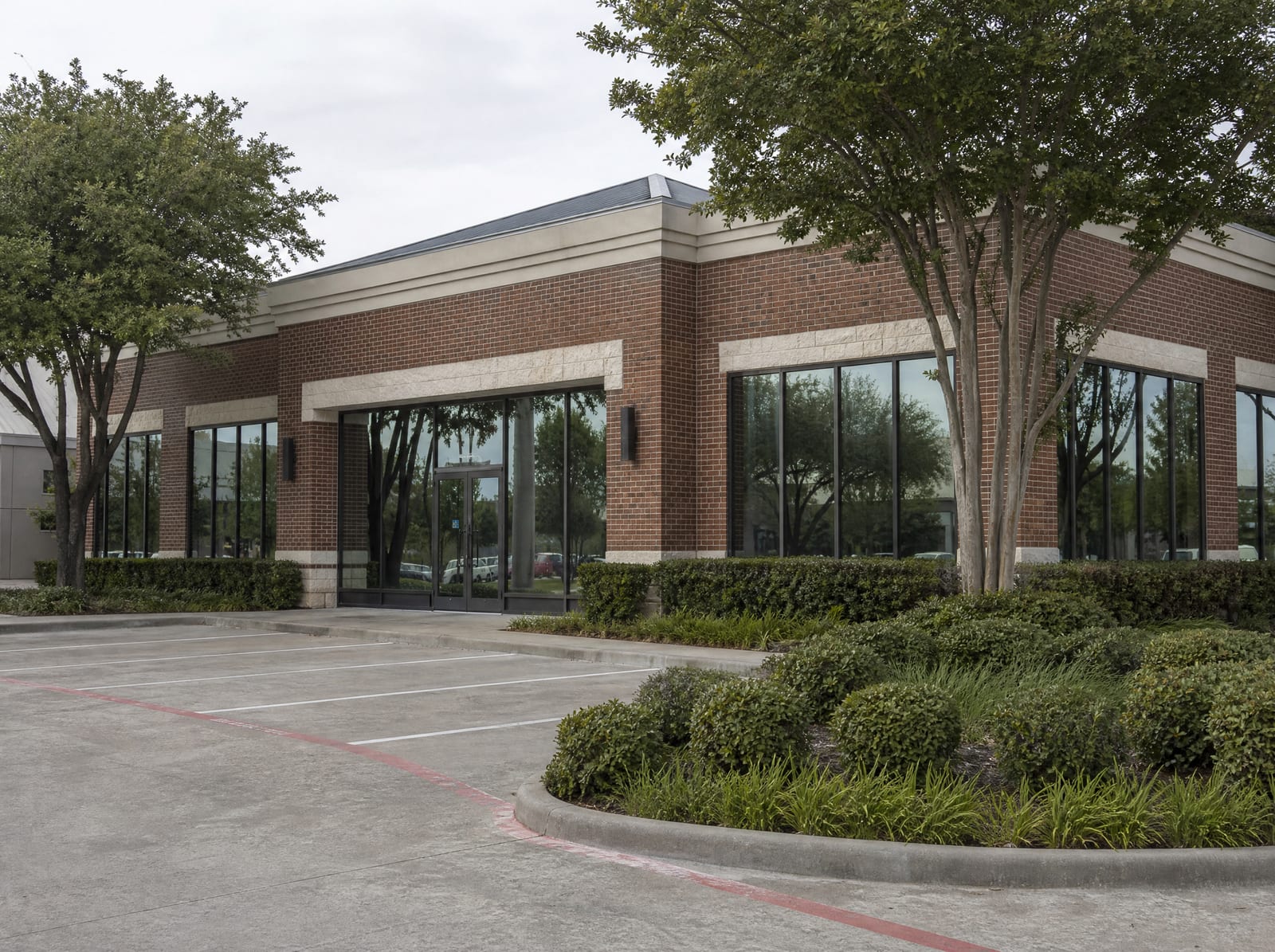
Commercial eminent domain cases involve complexity that residential matters simply don't encounter. Your property likely generates rental income from tenants who signed long-term leases based on location advantages. Those tenants may hold early termination rights if property access changes, creating cascading financial consequences. Government entities taking portions of your parking lot or restricting delivery access can render entire commercial operations unviable, yet their compensation offers rarely reflect these operational realities.
Business interruption damages represent another critical factor. If condemnation forces temporary closure during construction, relocation of operations, or loss of established customer base, Texas law entitles you to compensation for these economic damages. However, government attorneys will argue against including business losses unless you present detailed financial documentation and expert testimony supporting your claims.
Commercial property valuation also considers factors like zoning classifications, utility infrastructure capacity, traffic counts, visibility from major roadways, and proximity to complementary businesses. A retail strip center's value depends heavily on anchor tenant stability and co-tenancy agreements. Industrial properties gain value from loading dock configurations, ceiling heights, and power supply capacity. Office buildings command premiums based on parking ratios and accessibility. Our attorneys work with commercial appraisers who understand how these specialized factors affect market value.
Partial takings create particularly difficult scenarios for commercial owners. When the government takes a portion of your property for road widening or utility easements, the remaining parcel may lose critical functionality. Loading zones disappear, parking falls below code requirements, or building setbacks become nonconforming. These impacts reduce the value of property you're allowed to keep, and you deserve compensation for this diminished utility through what Texas law calls severance damages.
What You're Entitled to Receive
Texas law requires governmental entities to pay just compensation when acquiring private property through eminent domain. For commercial property owners, this compensation should reflect the full economic impact of the taking, not merely the assessed tax value or a government appraiser's conservative estimate.
Fair Market Value for Property Taken
The price a willing buyer would pay a willing seller in an open market transaction, based on highest and best use rather than current use limitations. This includes development potential, zoning benefits, and location advantages specific to commercial operations.
Severance Damages to Remaining Property
Compensation for loss of value to property you keep after a partial taking. This includes reduced parking capacity, lost street frontage, compromised access points, or any condition that makes your remaining property less functional or valuable for commercial purposes.
Business Relocation Expenses
Costs associated with moving business operations to a new location, including physical moving expenses, new signage, updated marketing materials, license transfers, and customer notification. These are actual, documented costs directly caused by the condemnation.
Loss of Business Goodwill
When condemnation forces business relocation and you cannot take your established customer base, location-dependent reputation, or market position with you, Texas law may provide compensation for this lost goodwill value in certain circumstances.
Tenant Lease Complications
If your commercial property houses tenants with long-term leases, you may face early termination penalties, lost rental income during transition periods, and reduced property value due to lease disruptions. These financial consequences deserve compensation consideration.
Temporary Construction Impacts
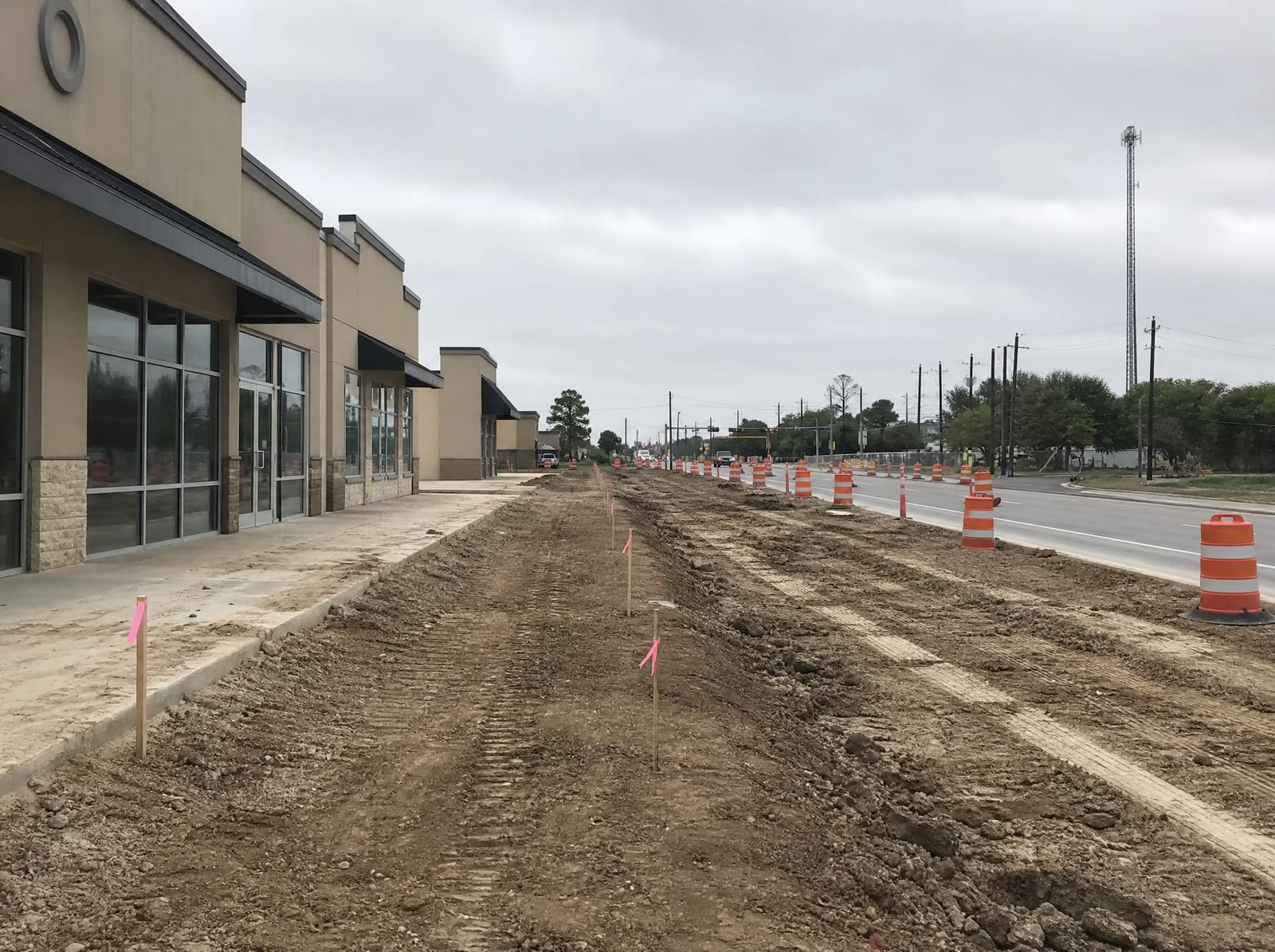
Even when the government doesn't take permanent ownership, construction activities related to the project may block access, reduce visibility, eliminate parking, or otherwise damage your business operations. You can seek compensation for these temporary but financially damaging conditions.
Our Approach to Commercial Eminent Domain Cases
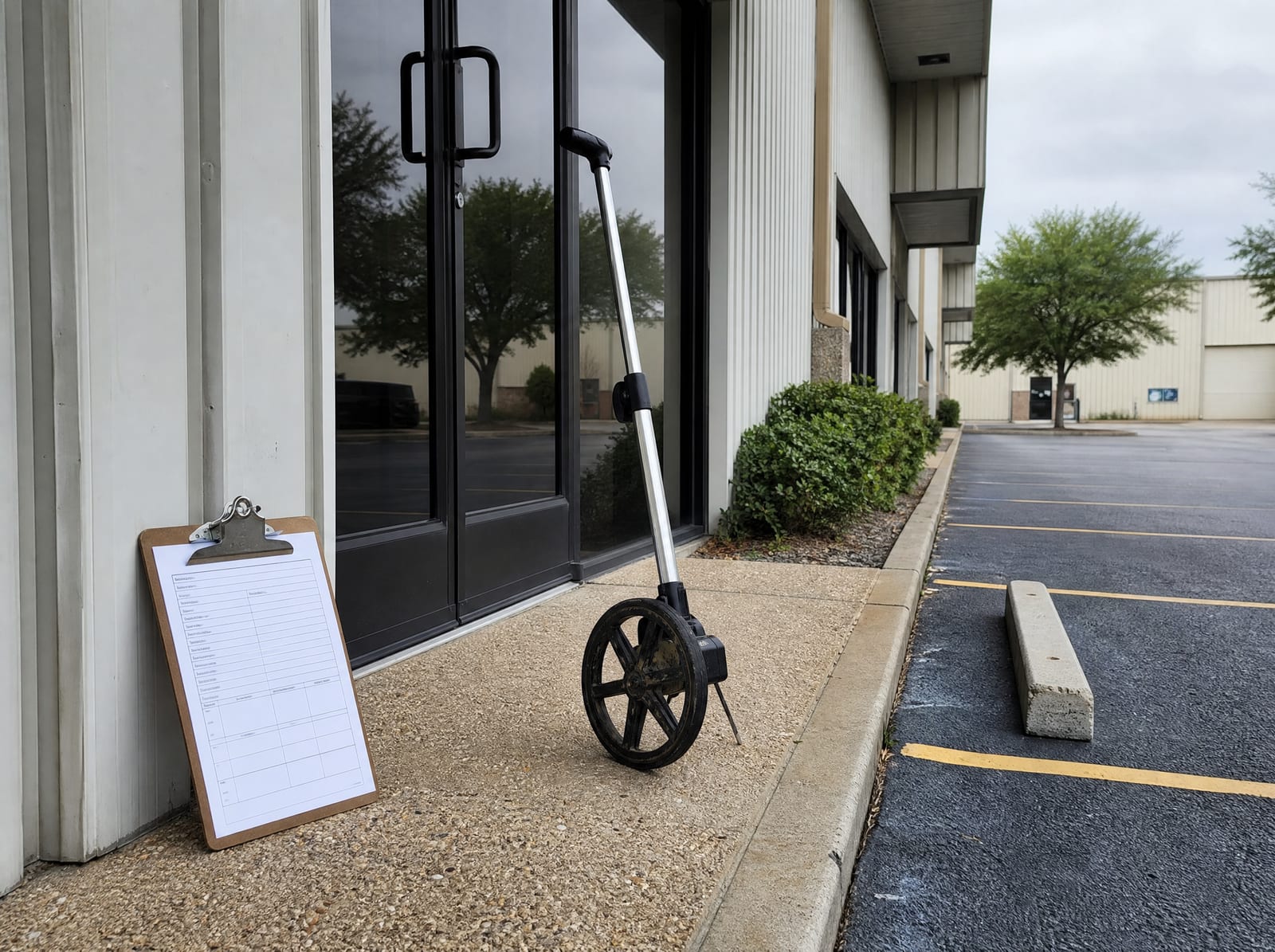
We begin every commercial property case by understanding your specific business operations and property usage patterns. Government attorneys expect us to simply argue over appraisal figures, but effective representation requires demonstrating how the taking affects your actual business operations and income potential.
Initial Property and Business Analysis
We review your property deeds, surveys, existing leases, financial statements, tax returns, and operational documents to understand exactly what the government is taking and how it affects your business. This includes examining tenant agreements, understanding your customer base, reviewing revenue patterns, and identifying location-specific advantages that contribute to property value. We need to see the complete picture of how your property functions as a business asset.

Expert Valuation Development
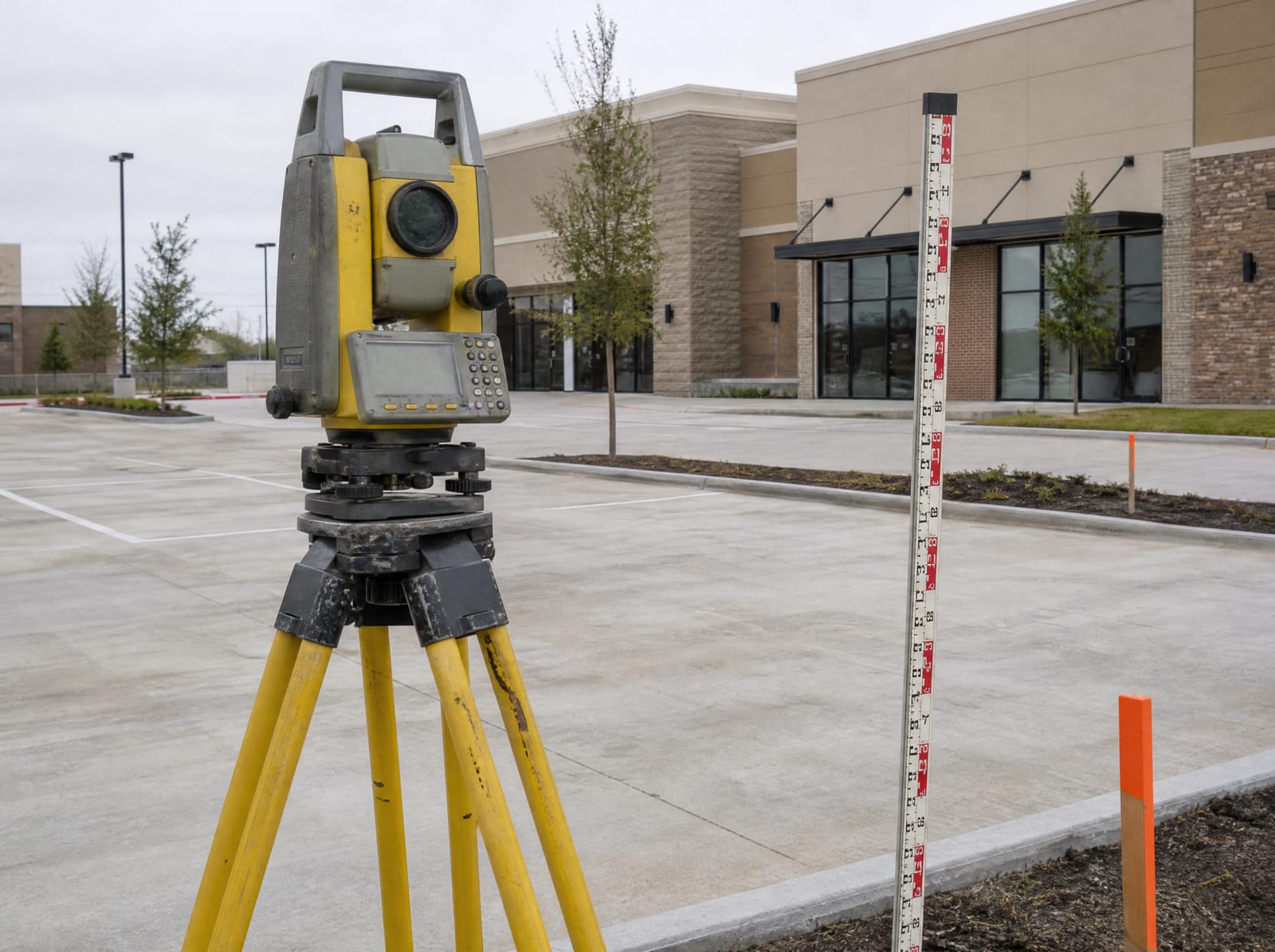
Our network includes commercial real estate appraisers who specialize in business properties, retail centers, industrial facilities, and office buildings. They prepare detailed appraisal reports that account for income capitalization, comparable sales, and replacement cost approaches. For complex properties, we may engage multiple experts covering different valuation aspects. These reports become the foundation for negotiating or litigating appropriate compensation amounts.
Business Impact Documentation
We work with you to document how the taking affects ongoing operations, including lost customers during construction, reduced visibility after road changes, eliminated parking that drives customers away, or relocation costs that exceed simple moving expenses. This may involve traffic studies, customer surveys, financial projections, and expert testimony from business valuation specialists who can quantify operational losses.
Negotiation with Government Attorneys
Before litigation becomes necessary, we present comprehensive compensation demands supported by expert reports and business impact documentation. Many cases settle during this phase when government attorneys recognize that trial would expose them to potentially higher jury awards. We handle all communication, respond to their arguments, and negotiate from a position of documented evidence rather than emotional appeals.
Trial Preparation and Litigation
When negotiations fail to produce fair offers, we file suit in the appropriate district court and prepare for trial. This involves formal discovery, deposing government witnesses, challenging their appraisal methods, preparing your testimony, and coordinating expert witness presentations. Texas juries decide eminent domain compensation amounts, and we've found that jurors who own businesses or commercial property understand the full impact of government takings better than bureaucrats making initial offers.
Post-Taking Business Transition Support
After securing appropriate compensation, we help ensure the government complies with court orders or settlement agreements. For cases involving business relocation, we can coordinate with real estate attorneys to review new lease agreements, handle property transfers, and address any lingering access or utility issues. Our relationship with clients doesn't end when the check arrives.
Why Commercial Property Owners Choose Our Firm
Showalter Colgin & Davis, PLLC has represented commercial property owners in eminent domain cases since 1977. We understand the difference between a commercial appraisal based on income capitalization methods and a residential appraisal using comparable sales. We know how to present business interruption claims, demonstrate goodwill value, and explain complex commercial lease provisions to judges and juries. Our attorneys maintain relationships with commercial real estate appraisers, business valuation experts, traffic engineers, and economic consultants who strengthen client cases with professional testimony.
We handle commercial property cases throughout the Greater Houston area, including Houston, Sugar Land, Katy, Pearland, and Richmond. This geographic experience means we understand local commercial property markets, are familiar with judges in Fort Bend County and Harris County courts, and know which government entities negotiate fairly versus which ones force litigation.
Common Commercial Property Scenarios We Handle
Highway expansion projects often target commercial corridors because businesses locate along major roads for visibility and access. TxDOT may take your entire property, require you to demolish portions of buildings to meet new setback requirements, or eliminate turning lanes that customers use to reach your business. We've represented gas stations losing pumps, restaurants losing parking, retail centers losing visibility, and office buildings losing street access.
Utility easements for pipeline corridors, electrical transmission lines, or drainage improvements can bisect commercial properties in ways that destroy operational functionality. A manufacturing facility split by a pipeline easement may lose the ability to expand production areas. A shopping center with a drainage easement through prime parking areas loses revenue-generating space. These takings deserve compensation reflecting the full operational impact, not just the linear feet of easement area.
Municipal redevelopment projects target older commercial districts for urban renewal initiatives. The city may claim your property serves a better public purpose as mixed-use development, public transit stations, or government facilities. Texas law requires genuine public use, not merely increased tax revenue, and we challenge condemnations that fail this standard. Even valid public projects must pay fair compensation reflecting your property's redevelopment potential.
Partial takings for road widening projects create particularly contentious valuation disputes. The government might take 20 feet along your property frontage, eliminate half your parking, force building modifications to meet new setback codes, and then claim they only owe you for the land they actually took. We document severance damages to the remaining property, quantify business interruption during construction, and pursue compensation reflecting the total economic impact.

Additional Practice Areas
Beyond representing commercial property owners, our firm handles residential homeowner cases, assists landowners with agricultural property takings, and provides guidance on what constitutes just compensation under Texas law. We also maintain active estate planning and probate practices for business owners concerned about protecting assets for future generations.
Commercial property owners frequently need real estate law services beyond eminent domain representation, including lease negotiations, purchase agreements, and title disputes. Our firm's comprehensive practice areas allow us to address related legal issues that arise during property ownership and business operations.

Common Questions Commercial Property Owners Ask
Can the government force me to sell if I don't want to relocate my business?
Yes, when the government demonstrates genuine public necessity and follows proper legal procedures. Texas Constitution grants eminent domain powers for legitimate public uses, including roads, utilities, and public facilities. However, you retain the right to challenge whether the taking serves authentic public purpose and to demand fair compensation reflecting your property's full value and business operation losses. The government must pay before taking possession.
What if my business depends on this specific location and relocation isn't feasible?
Location-dependent businesses face particularly severe impacts from condemnation, and compensation should reflect this reality. If your restaurant succeeds because of a specific intersection's traffic patterns, or your service business relies on proximity to industrial customers, the loss of location advantage represents compensable damage. We document these factors through customer surveys, revenue analysis, and expert testimony explaining why your business model depends on specific geographic positioning.
How do you calculate business interruption damages during construction?
Business interruption claims require detailed financial documentation showing typical revenue patterns, projected income during the interruption period, actual income during construction, and direct connection between the revenue loss and government activities. We typically need several years of tax returns, monthly revenue records, seasonal adjustment factors, and expert analysis isolating construction impacts from normal business fluctuations. The government will challenge these claims aggressively, so documentation quality matters significantly.
What happens to my tenants if the government takes my rental property?
Tenant displacement creates complex legal situations depending on lease terms. If your tenants have long-term leases with rent amounts below current market rates, they're losing valuable lease positions. Some leases include condemnation clauses addressing this scenario, others remain silent. You may face claims from tenants for relocation costs or lost business operations, and government compensation should account for these tenant-related complications when calculating your property's fair market value and your financial exposure.
Can I negotiate directly with the government or do I need an attorney?
You have the legal right to negotiate without representation, but government entities employ experienced attorneys and appraisers whose job involves minimizing compensation payments. Their initial offers typically reflect conservative valuations that ignore business impacts, severance damages, and commercial property premiums. Most commercial property owners who negotiate alone accept significantly less compensation than represented owners receive, particularly when complex issues like partial takings, lease complications, or business relocations come into play.
How long does a commercial eminent domain case typically take?
Timeline varies based on property complexity, compensation amount disputes, and whether the case settles or goes to trial. Simple cases with agreed valuations might resolve in six to twelve months. Complex commercial properties with multiple buildings, tenant complications, or substantial severance damage claims often require eighteen months to two years, particularly if the government refuses reasonable settlement offers and forces trial preparation. We work to resolve cases efficiently while refusing to accept inadequate compensation for speed's sake.
What if the government only wants an easement, not full ownership?
Easements across commercial property can destroy operational functionality even though you technically keep ownership. A utility easement bisecting your parking lot reduces customer capacity. Pipeline easements may prohibit building construction over the easement area, limiting expansion options. Access easements for government maintenance vehicles can interfere with your business operations. You deserve compensation reflecting how the easement affects your property's commercial utility and income potential, not merely the easement's footprint area.
Do I have to accept the government's appraisal of my property value?
Absolutely not. Government appraisals frequently undervalue commercial properties by ignoring income potential, development opportunities, tenant lease premiums, location advantages, and business operation factors. You have the right to hire your own commercial appraiser, challenge the government's valuation methods, present alternative comparables, and let a jury decide fair compensation if the government refuses to negotiate reasonably. Most of our cases involve substantial differences between initial government offers and final compensation amounts.
Schedule An Attorney Consultation
Fields marked with an asterisk are required.
Discuss your representing commercial property owners matter
Contact Showalter Colgin & Davis at (281) 341-5577 to speak with an attorney. We serve property owners, businesses, and families throughout the Greater Houston area.