


Practice Areas
Real Estate Law
Whether you're buying, selling, or protecting your property rights, Showalter Colgin & Davis, PLLC provides knowledgeable legal representation for residential and commercial real estate matters throughout the Houston area.
Experienced attorneys serving Richmond and Greater Houston since 1977. Call to discuss your case.
Protecting Your Property Interests
Real estate transactions involve significant financial commitments and complex legal requirements. Our attorneys handle residential and commercial real estate matters for clients throughout Houston, Sugar Land, Katy, and surrounding communities. We protect your property rights, resolve title issues, and address contractual obligations.
Since 1977, Showalter Colgin & Davis, PLLC has brought nearly five decades of legal experience to property transactions and disputes. Whether you need contract review, closing assistance, or representation in a property dispute, our experience in litigation provides an added layer of protection for your real estate interests. Real estate law intersects with estate planning, probate, and business matters, and we provide comprehensive legal support across these connected areas.

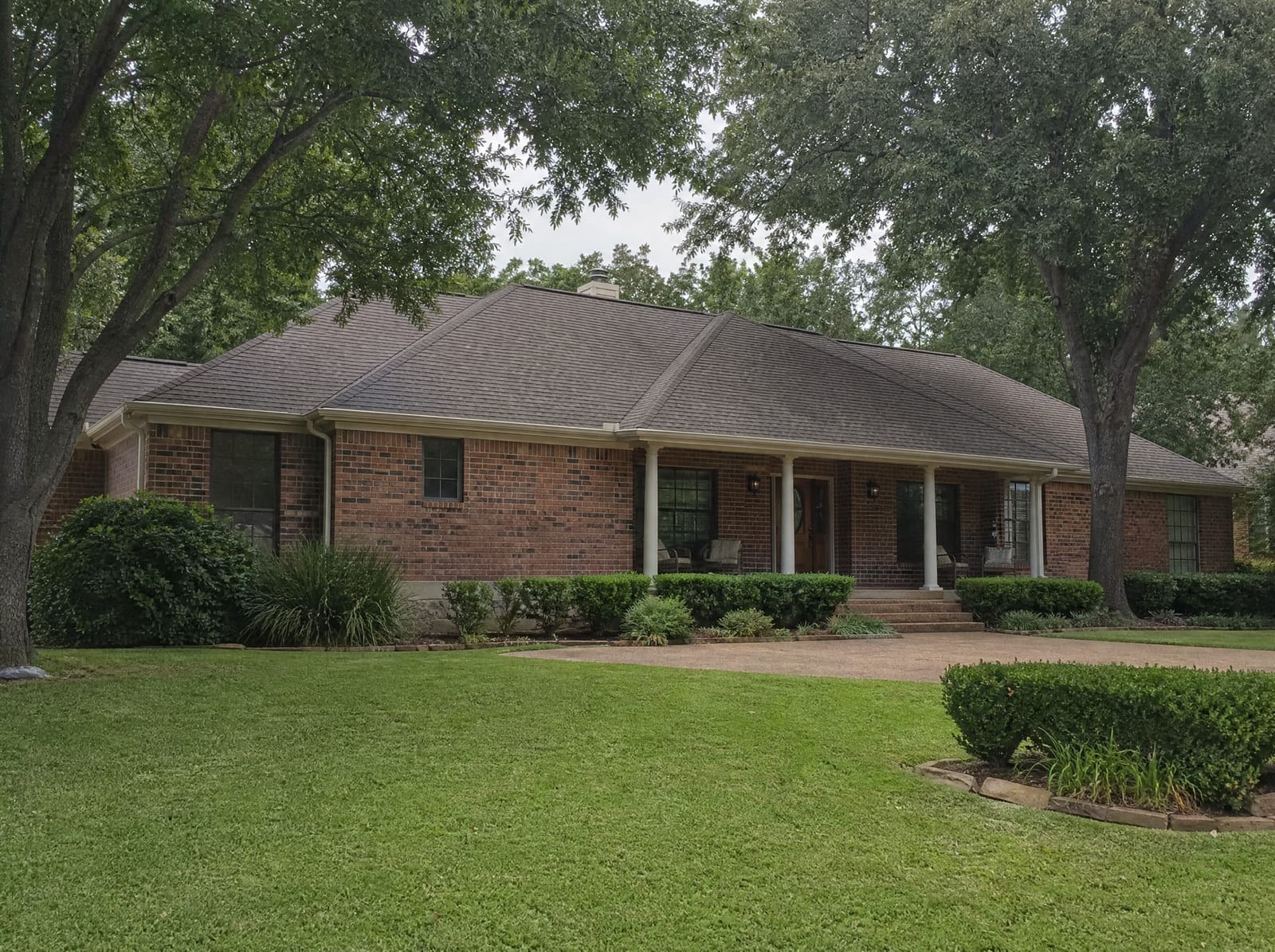
Common Real Estate Legal Issues
Property transactions rarely involve just a simple exchange of money for ownership. Legal issues emerge at multiple stages, and having an attorney who understands both transactional and litigation aspects can make a substantial difference in outcomes.
Title defects represent one of the most common problems we address. These issues can include undisclosed liens, boundary disputes, easement conflicts, or errors in public records. A clear title is fundamental to property ownership, and resolving title problems before closing protects buyers from future disputes. In some cases, these issues surface years after purchase, requiring legal action to quiet title or establish rightful ownership.
Contract disputes frequently arise when one party fails to meet contractual obligations. Sellers may not disclose material defects, buyers may attempt to renegotiate terms after inspection, or third parties may claim interests in the property. Each scenario requires careful review of contractual language, applicable statutes, and case precedent. Our attorneys examine purchase agreements, earnest money contracts, and closing documents to identify potential problems and advocate for your position.
Zoning and land use restrictions can limit how you develop or use your property. Local ordinances, deed restrictions, and homeowners association rules may prevent intended uses. We help clients understand these limitations and, when appropriate, seek variances or challenge restrictions that exceed legal authority.
Lease agreements for commercial and residential properties create legal obligations for landlords and tenants. Disputes over repairs, security deposits, lease terms, or eviction procedures require prompt legal attention. Whether you need help drafting a lease, enforcing its terms, or defending against claims, we provide representation grounded in Texas property law.
Foreclosure proceedings and mortgage issues affect property owners facing financial difficulty. Understanding your options, including loan modification, short sale, or foreclosure defense, requires knowledge of both state and federal law. We help property owners address these challenges while protecting their long-term interests.
How We Support Your Real Estate Transaction
Our approach to real estate representation focuses on thorough preparation and clear communication. From initial consultation through closing or dispute resolution, we keep you informed about legal requirements and potential obstacles.
 1
1Initial Consultation and Document Review
We begin by understanding your objectives and reviewing relevant documents, including purchase agreements, title reports, surveys, and inspection results. This assessment identifies potential legal issues early in the process, allowing time to address them before they become costly problems.
 2
2Due Diligence and Title Examination
Proper due diligence protects your investment. We conduct thorough title examinations, review property surveys for boundary issues, examine recorded liens and encumbrances, and verify zoning compliance. This process often reveals issues the title company's standard search might miss.
 3
3Contract Negotiation and Amendment
Real estate contracts contain numerous provisions that allocate risk between parties. We review proposed terms, negotiate modifications to protect your interests, and ensure the contract accurately reflects the parties' agreement. Clear contractual language prevents disputes later.
 4
4Closing Representation
At closing, we review final settlement statements, verify that all conditions precedent have been satisfied, ensure proper execution of documents, and address any last-minute issues that arise. Having an attorney present at closing can prevent problems that might otherwise surface only after the transaction concludes.
 5
5Post-Closing Support
Our relationship doesn't end at closing. We assist with recording documents, addressing title defects discovered after purchase, handling boundary disputes with neighbors, and representing you in litigation if disputes cannot be resolved through negotiation.
Commercial Real Estate Representation
Commercial real estate transactions involve additional complexity compared to residential matters. Property values are typically higher, due diligence requirements more extensive, and contractual provisions more detailed.
Commercial property purchases often involve multiple parcels, complex financing structures, and detailed lease arrangements. Our representation includes reviewing title to each parcel, examining environmental reports, assessing zoning for intended use, and negotiating favorable financing terms. Many commercial transactions also require coordination with architects, engineers, and contractors, and we help structure agreements that protect your interests throughout the development process.
Lease negotiations for commercial space require careful attention to terms that may not appear in residential leases. Common area maintenance charges, percentage rent provisions, tenant improvement allowances, and assignment restrictions all affect the economic viability of the lease. We represent both landlords and tenants in these negotiations, though not in the same transaction.
Property development projects face regulatory requirements at multiple government levels. Site plan approval, building permits, impact fees, and utility connections must all be addressed before construction begins. We guide developers through this process, communicating with government officials and addressing legal obstacles that threaten project timelines.
Commercial property disputes often involve substantial amounts and require prompt action. When landlords fail to maintain properties, tenants breach lease terms, or title defects threaten ownership, litigation may become necessary. Our attorneys handle these disputes efficiently, working toward resolution while protecting your business operations.
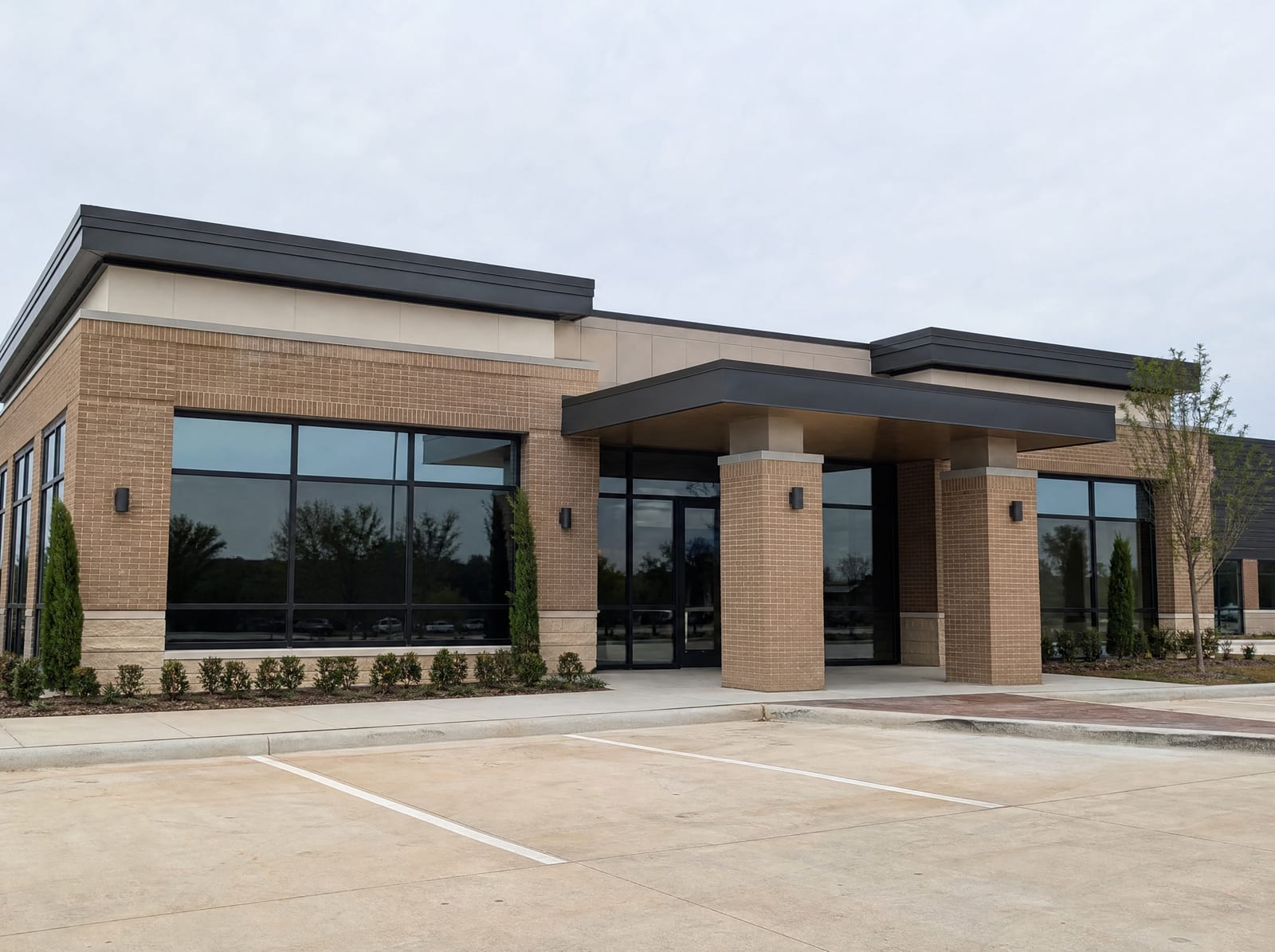
When Real Estate Matters Intersect With Other Legal Issues
Property ownership connects with many other legal matters our firm handles. This integration allows us to address multiple aspects of your situation within a single attorney-client relationship.
Estate planning often involves decisions about real property. How you hold title to property affects what happens when you die, what probate proceedings may be required, and what tax consequences your heirs face. Joint tenancy with rights of survivorship, tenancy in common, and community property each create different outcomes. We coordinate real estate transactions with estate planning to ensure your property passes according to your wishes.
Probate proceedings frequently require selling real estate owned by the deceased. Executors and administrators must understand their legal authority to sell property, disclosure obligations, and proper procedures for distributing proceeds. We represent executors handling estate property and help them satisfy legal requirements while maximizing value for beneficiaries.
Eminent domain proceedings directly affect property ownership. When government entities acquire property for public use, proper legal representation becomes essential to obtaining fair compensation. Our work representing landowners facing eminent domain complements our real estate practice, as valuation issues in condemnation proceedings mirror valuation principles in voluntary transactions.
Business transactions often involve real property. Purchasing a business may include buying the real estate where it operates. Commercial leases affect business valuation. We help business clients address real estate aspects of business transactions, ensuring that property matters don't derail otherwise sound business deals.
Personal injury matters sometimes involve property conditions. Premises liability claims arise when property defects cause injuries. Property owners need to understand their liability exposure and insurance coverage. We help property owners assess liability risks and, when necessary, defend against claims brought by injured parties.


Why Work With Our Firm
Showalter Colgin & Davis, PLLC has served the Richmond and Greater Houston for decades, building relationships with clients, title companies, real estate professionals, and local government officials over nearly five decades. This experience provides practical advantages in handling real estate matters efficiently.
Litigation capability distinguishes our practice from many firms that focus exclusively on transactional work. Real estate disputes often cannot be resolved through negotiation alone. Having attorneys who regularly appear in court provides leverage in negotiations and ensures skilled representation if litigation becomes necessary. Opposing parties recognize when an attorney has trial experience, and this recognition affects settlement negotiations.
Local knowledge matters in real estate practice. Understanding how local title companies operate, what county clerks require for recording, which building inspectors handle which jurisdictions, and how local courts approach real estate disputes improves efficiency. Our work throughout Fort Bend County and surrounding areas has developed these relationships and this knowledge.
Our team approach allows us to assign appropriate resources to each matter. Complex commercial transactions receive attention from attorneys with extensive business experience. Residential matters benefit from attorneys who understand consumer protection laws and disclosure requirements. This flexibility ensures you receive representation suited to your specific situation.
We keep clients informed throughout the representation. Real estate transactions involve many steps, and delays or complications can arise at various points. Rather than waiting until problems become crises, we communicate regularly about progress, explain legal requirements, and discuss options when obstacles arise.
Frequently Asked Questions About Real Estate Law
Do I need an attorney for a residential real estate purchase?
Texas law doesn't require attorney representation for residential purchases, but having one protects your interests. Real estate agents cannot provide legal advice or represent your legal interests. An attorney reviews contracts, examines titles, identifies potential problems, and represents you if disputes arise. The cost of legal representation is small compared to the value of the property and the problems that legal review can prevent.
What does title insurance cover and not cover?
Title insurance protects against certain defects in title that existed before you purchased the policy. It typically covers undisclosed liens, forged documents, errors in public records, and some ownership disputes. However, it doesn't cover defects that arise after purchase, boundary disputes not shown in public records, or problems specifically excluded in the policy. Title insurance also doesn't provide legal representation or prevent problems from occurring. An attorney's title examination identifies issues before they become claims and provides representation if problems arise after closing.
How long does a typical real estate closing take?
Timeline varies based on financing, title issues, and contract terms. Cash purchases with clear titles can close in two to three weeks. Financed purchases typically take thirty to forty-five days from contract execution to closing. Complex commercial transactions may require several months. Title problems, survey issues, or inspection discoveries can extend these timelines. Having an attorney involved early helps identify potential delays and address them promptly.
Can I back out of a real estate contract after signing?
Your ability to terminate a contract depends on its specific terms. Most residential contracts contain contingencies for financing, inspection, and title review. If these conditions aren't satisfied, you can typically terminate without penalty. Backing out without proper contractual grounds may result in forfeiting earnest money or facing breach of contract claims. The specific language of your contract determines your rights and obligations. An attorney should review your contract and circumstances before you attempt to terminate.
What happens if the title company finds a defect just before closing?
Title defects discovered shortly before closing create time pressure but can often be resolved. The solution depends on the nature of the defect. Unreleased mortgages may be cleared with payoff letters and recording releases. Judgment liens may require payment or bond posting. Boundary issues might need survey amendments or boundary agreements. Some defects require quiet title actions that prevent closing until resolved. An attorney can assess the defect's severity, explain your options, negotiate with the seller about responsibility for clearing it, and determine whether postponing closing makes sense.
Do I need a lawyer if I'm using a real estate agent?
Real estate agents and attorneys serve different functions. Agents facilitate transactions, market properties, and coordinate with other parties. They cannot provide legal advice, review contracts from a legal perspective, or represent you in disputes. An attorney protects your legal interests, identifies contractual problems, examines titles, and provides representation if issues arise. The expense is modest compared to the property value and the problems legal review can prevent.
How do I handle a boundary dispute with my neighbor?
Start by reviewing your deed, survey, and plat to understand your legal property boundaries. A new survey by a licensed surveyor establishes the correct boundary line and provides evidence if litigation becomes necessary. Attempt to resolve the matter through conversation, presenting survey evidence that establishes the correct boundary. If your neighbor disputes the survey or refuses to acknowledge the correct boundary, legal options include boundary line agreements that establish a mutually agreed boundary, injunctions preventing further encroachment, and quiet title actions establishing ownership.
What disclosure obligations do sellers have?
Texas law requires residential sellers to complete a Seller's Disclosure Notice covering various property conditions. Material defects known to the seller must be disclosed. What constitutes a material defect involves legal judgment, but generally includes problems affecting property value or buyer safety. Previous flooding, foundation problems, roof leaks, environmental hazards, and property line disputes typically require disclosure. Failure to disclose known material defects can result in fraud claims and liability for repair costs or damages. When uncertain whether something requires disclosure, sellers should consult an attorney rather than risk nondisclosure liability.
Schedule An Attorney Consultation
Fields marked with an asterisk are required.
Discuss your real estate law matter
Contact Showalter Colgin & Davis at (281) 341-5577 to speak with an attorney. We serve property owners, businesses, and families throughout the Greater Houston area.