


Practice Areas
Litigation
Showalter Colgin & Davis, PLLC handles complex civil disputes with a focus on protecting your interests through skilled trial advocacy and strategic resolution. Serving Houston, Richmond, Sugar Land, and the Greater Houston area since 1977.
When Negotiations Fail, We Are Ready for Court.
Some disputes cannot be resolved at the table. Our attorneys prepare every case for trial, giving clients across Fort Bend County, Greater Houston, and Texas a litigation team that opposing counsel takes seriously.
Types of Civil Litigation We Handle

Contract Disputes
When contracts are breached or disputed, we represent businesses and individuals seeking to enforce agreements or defend against claims. This includes purchase agreements, service contracts, employment contracts, and commercial leases.

Business Litigation
Commercial disputes between business partners, shareholders, or competitors require attorneys who understand both business operations and courtroom procedures. We handle partnership disputes, shareholder conflicts, and business tort claims.
Property Disputes
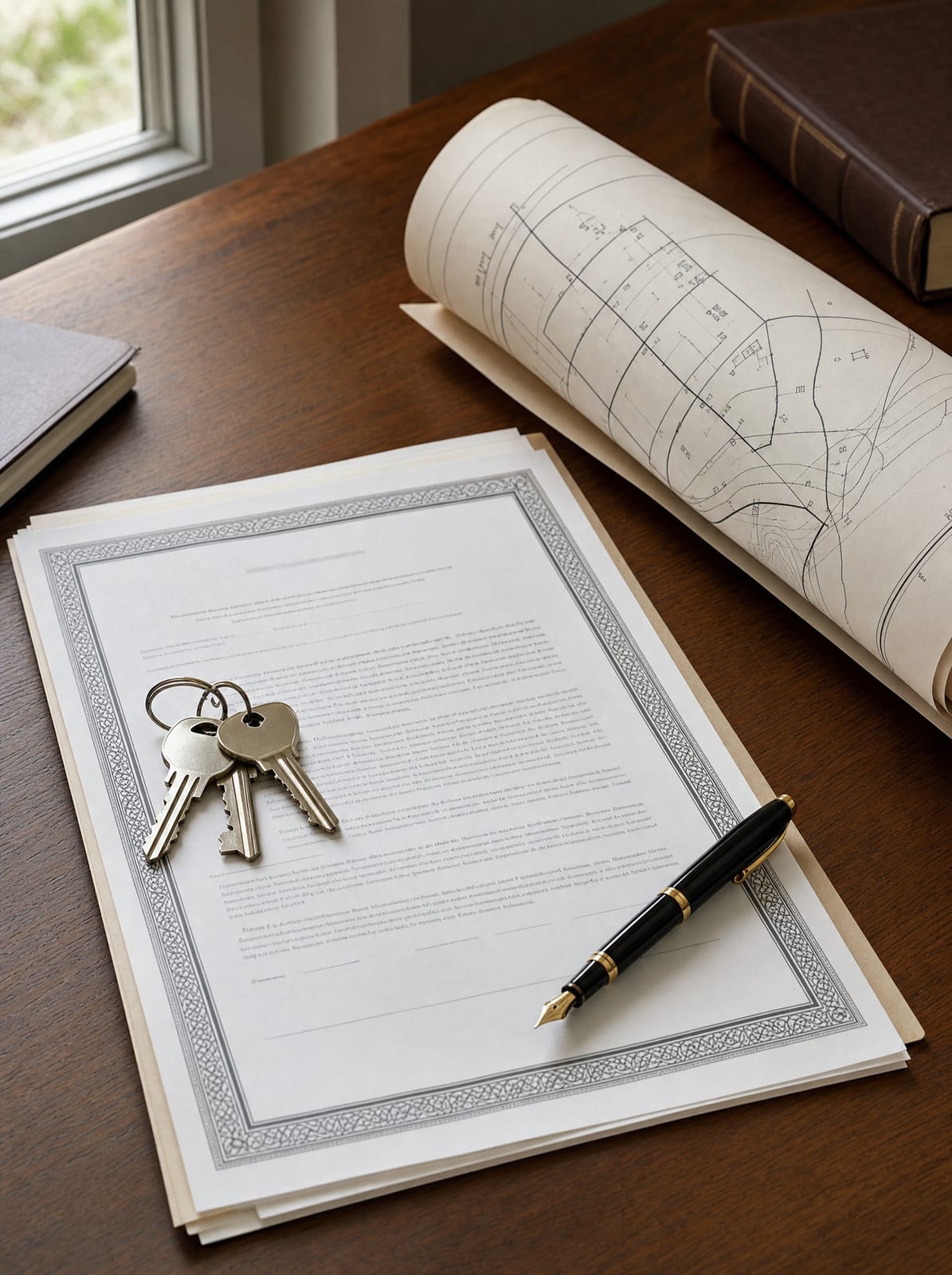
Real property conflicts involving boundaries, easements, title defects, or land use restrictions often require court intervention. We represent property owners in disputes that affect their ability to use or enjoy their land.

Construction Litigation
Disputes between property owners, contractors, and subcontractors over defective work, payment disagreements, or contract performance demand legal action when other resolution methods fail.

Landlord-Tenant Disputes
Commercial and residential landlord-tenant conflicts sometimes escalate beyond negotiation. We represent both property owners and tenants in eviction proceedings, lease enforcement actions, and security deposit disputes.
Fraud and Misrepresentation Claims
When fraud, intentional misrepresentation, or deceptive business practices cause financial harm, litigation may be necessary to recover damages and hold wrongdoers accountable.
Trial Representation for Civil Disputes
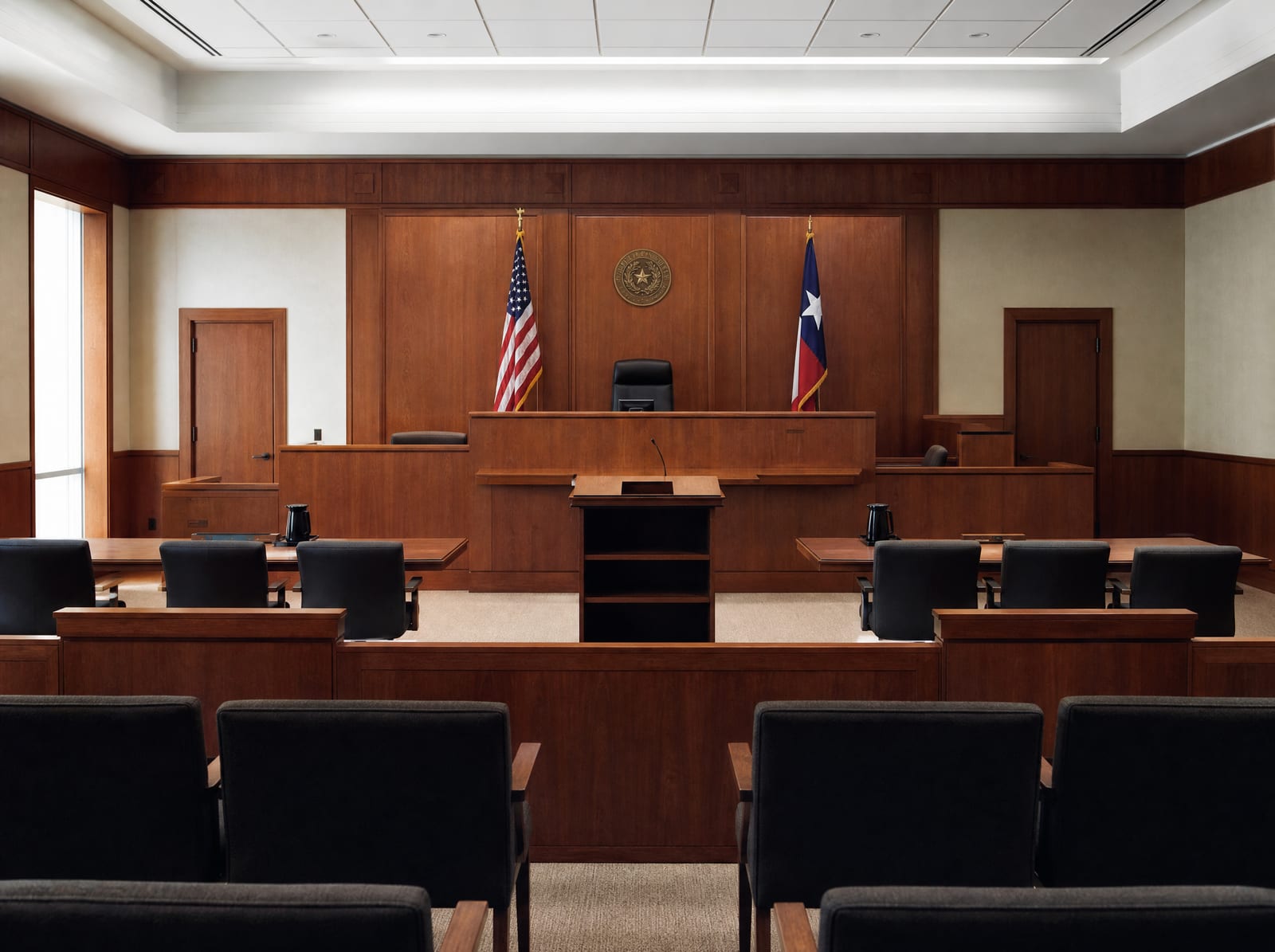
When your legal dispute can't be resolved through negotiation, you need attorneys who know how to present your case effectively in court. We represent clients in state and federal courts throughout the Greater Houston area in business conflicts, contract disagreements, property disputes, and other civil matters requiring litigation. Our practice covers everything from initial pleadings through trial and appeals if necessary.
We've built our reputation on thorough case preparation, skilled legal arguments, and willingness to take cases to trial when that serves our clients' best interests. We handle each case understanding that your business relationships, property rights, or financial interests are at stake. We work to resolve disputes efficiently when possible, but we're always prepared to advocate for you in court when settlement isn't in your favor.

How the Litigation Process Works
 1
1Initial Case Assessment
We review all relevant documents, contracts, correspondence, and evidence related to your dispute. This assessment helps us understand the strengths and weaknesses of your position, identify potential legal claims or defenses, and evaluate realistic outcomes. We discuss your goals and the potential costs and timeline involved in litigation.
 2
2Pre-Litigation Strategy
Before filing a lawsuit or responding to one, we develop a legal strategy tailored to your situation. This may include demand letters, negotiations, or attempts at alternative dispute resolution. While we're prepared to litigate, we also recognize that some cases settle more favorably before formal court proceedings begin.
 3
3Pleadings and Discovery
Once litigation commences, we draft and file necessary pleadings including complaints, answers, or counterclaims. The discovery phase follows, where both sides exchange information through document requests, interrogatories, and depositions. This phase requires careful attention to procedural rules and deadlines.
 4
4Motion Practice and Pre-Trial Proceedings
Throughout the case, we may file motions to dismiss certain claims, motions for summary judgment, or motions to compel discovery. These pre-trial proceedings can sometimes resolve parts or all of a case before trial. We also handle settlement conferences and mediation sessions when ordered by the court or agreed upon by parties.
- 5
Trial Preparation and Advocacy
If your case proceeds to trial, we prepare witness lists, exhibit lists, trial briefs, and jury instructions. Our trial preparation includes witness preparation, developing opening and closing arguments, and organizing evidence for presentation. At trial, we present your case through direct examination, cross-examination, and legal arguments designed to persuade the judge or jury.
 6
6Post-Trial and Appeals
After trial, we handle post-judgment matters including enforcement of judgments, collection efforts, or defense against collection attempts. If grounds exist for appeal, we can represent you in appellate courts, preparing appellate briefs and presenting oral arguments to higher courts.
Understanding Litigation Timelines and Costs
Civil litigation isn't quick or inexpensive. The timeline for a case depends on court schedules, case complexity, and whether appeals follow trial. A straightforward contract dispute might resolve within several months if settled early, while complex business litigation can take years from filing through trial and any subsequent appeals.
Discovery alone often takes six months to a year or more in contested cases. Courts set deadlines for completing discovery, filing motions, and conducting pre-trial conferences. Some courts move cases faster than others, and federal courts generally maintain stricter schedules than state courts.
Litigation costs accumulate through attorney fees, court filing fees, expert witness fees, deposition costs, and other case-related expenses. We discuss fee structures and anticipated costs at the outset of representation. Understanding these financial realities helps you make informed decisions about whether to pursue litigation, accept settlement offers, or explore alternative resolution methods.

Alternative Dispute Resolution Options
Not every legal dispute requires a full trial. Mediation and arbitration offer alternatives that can resolve conflicts more quickly and at lower cost than traditional litigation. Many courts now require mediation before allowing cases to proceed to trial, and some contracts contain mandatory arbitration clauses.
Mediation involves a neutral third party who facilitates negotiations between disputing parties. The mediator doesn't make decisions but helps parties find common ground and reach voluntary settlements. Arbitration functions more like a private trial, where an arbitrator or panel of arbitrators hears evidence and makes binding decisions. Arbitration can be faster and less formal than court litigation, but it also limits appeal rights and discovery options.
We represent clients in both mediation and arbitration proceedings with the same thoroughness we bring to court trials, because the outcomes often have the same binding effect on your rights and obligations.


Why Choose Our Firm for Your Legal Dispute
Our litigation practice benefits from nearly five decades of courtroom experience in Texas state and federal courts. The attorneys at our firm have handled cases ranging from straightforward contract disputes to complex multi-party litigation involving substantial damages. This experience gives us the judgment to know when to push for trial and when to pursue settlement.
We maintain a diverse practice that includes eminent domain, business law, and real estate, which often intersect with civil litigation matters. This breadth allows us to understand the full context of your dispute, whether it involves property rights, business operations, or contractual obligations. Many litigation matters intersect with other areas of law, including commercial and contract litigation, partnership and shareholder disputes, will contests, or breach of fiduciary duty claims.
Our Richmond office serves clients throughout Houston, Sugar Land, Katy, Pearland, and the surrounding areas. We're familiar with local courts, judges, and procedures in Fort Bend County, Harris County, and adjacent jurisdictions. You'll work directly with experienced attorneys throughout your case, not just during court appearances. We believe in clear communication about case developments, realistic assessment of your options, and transparent discussion of costs and potential outcomes.
Frequently Asked Questions About Litigation
How long do I have to file a lawsuit for breach of contract?
Texas law generally provides a four-year statute of limitations for breach of written contracts and two years for oral contracts. However, specific circumstances can affect these deadlines, including when the breach was discovered, whether the contract contains different limitation periods, or if fraudulent concealment tolled the statute. Waiting too long can permanently bar your claim, so consulting an attorney early protects your rights.
What happens if I lose at trial?
Trial verdicts aren't always final. Depending on the circumstances, you may have grounds to appeal the decision to a higher court, file post-trial motions requesting the trial court to reconsider its ruling, or negotiate settlement even after an unfavorable verdict. Appeals must be filed within strict deadlines and require showing legal errors that affected the trial's outcome. We evaluate your appeal options and advise whether pursuing appellate relief makes sense in your situation.
Can I represent myself in litigation to save money?
Texas law allows self-representation, but doing so in complex civil litigation puts you at significant disadvantage. You're held to the same procedural rules, evidence standards, and filing deadlines as attorneys. Opposing counsel will use your unfamiliarity with courtroom procedures against you, and judges can't provide legal advice or overlook your procedural mistakes. Most people who attempt self-representation in contested litigation face poor outcomes that cost more than hiring qualified counsel from the start.
How do attorney fees work in litigation?
Most civil litigation is handled on an hourly fee basis, where you pay for the attorney's time spent on your case. Hourly rates vary based on attorney experience and case complexity. Some cases allow contingency fees, where the attorney receives a percentage of any recovery rather than hourly payment. Fee-shifting provisions in contracts or statutes sometimes require the losing party to pay the winner's attorney fees, but this isn't automatic in all cases. We discuss fee arrangements clearly before beginning representation.
What's the difference between state and federal court litigation?
Federal courts have jurisdiction over cases involving federal law questions, diversity of citizenship between parties from different states with amounts exceeding $75,000, or specific matters like bankruptcy and patent disputes. Federal courts follow different procedural rules, move cases faster, and often require more formal motion practice than state courts. State courts handle most contract disputes, property conflicts, and business litigation under Texas law. Choice of forum can affect case strategy, so we evaluate which court system better serves your interests when options exist.
What if the other party doesn't have money to pay a judgment?
Winning a lawsuit and collecting on a judgment are different matters. Before filing litigation, we assess the defendant's ability to satisfy a judgment through asset searches and financial information when available. Post-judgment collection options include wage garnishment, bank account levies, property liens, and seizure of non-exempt assets. However, some debtors have no attachable assets, making collection difficult or impossible despite a valid judgment.
Schedule An Attorney Consultation
Fields marked with an asterisk are required.
Discuss your litigation matter
Contact Showalter Colgin & Davis at (281) 341-5577 to speak with an attorney. We serve property owners, businesses, and families throughout the Greater Houston area.