

Practice Areas
Representing Landowners
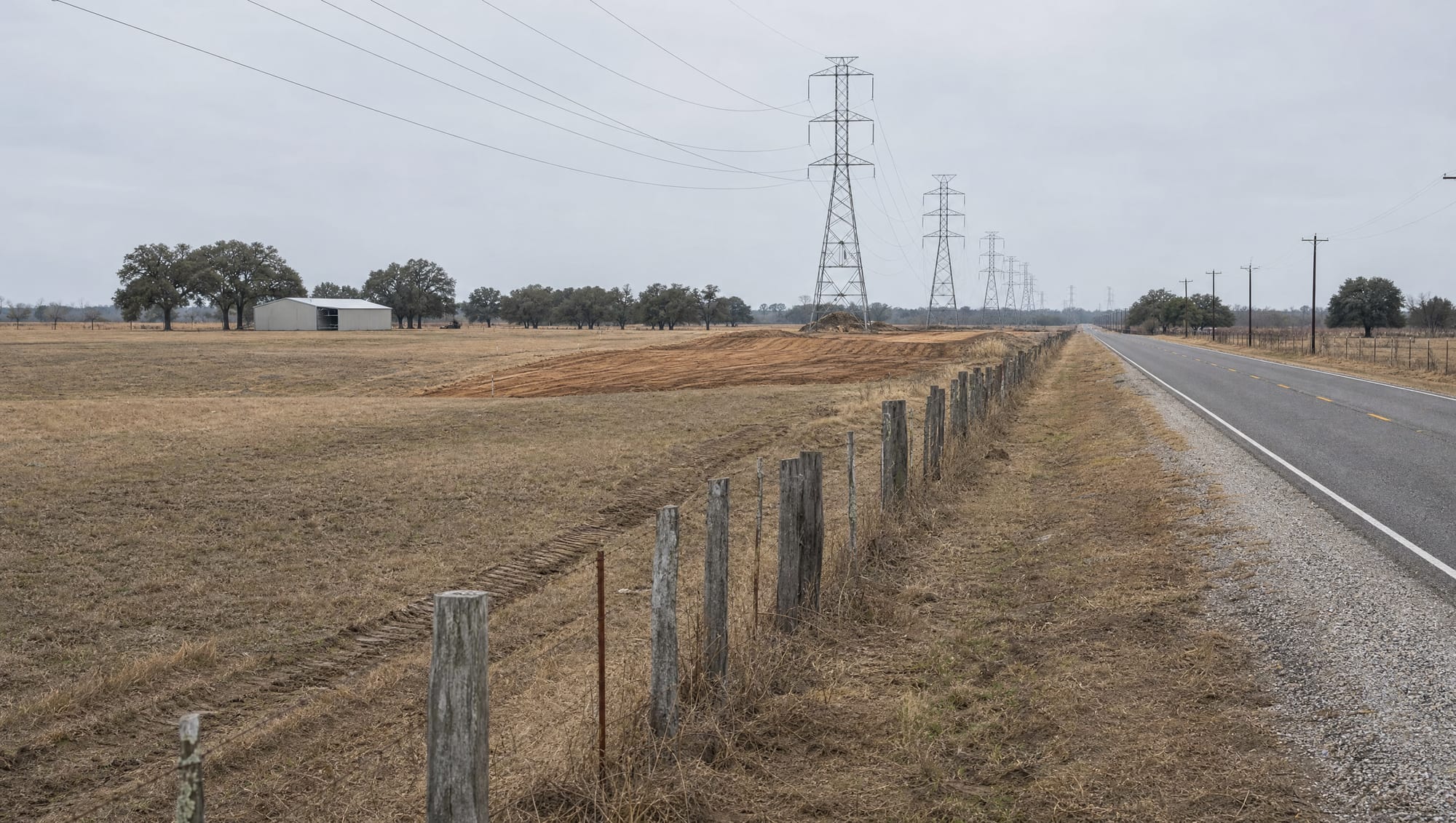
When the government or a private entity with condemnation authority targets your land, you need experienced legal counsel to protect your property rights and secure the maximum compensation you deserve under Texas law.
Your Land. Your Rights. Our Fight.
If a government agency or utility is threatening to take or devalue your land, you do not have to face them alone. Our attorneys have represented Texas landowners in eminent domain cases across Fort Bend County, Greater Houston, and beyond.
Protecting Your Land Rights Through the Condemnation Process
If you've received notice that your land is subject to condemnation, you're facing one of the most consequential property decisions of your life. Whether you own agricultural land, timber tracts, hunting property, or undeveloped acreage, the government's power to take your property comes with strict constitutional protections that require just compensation for the taking.
Our firm focuses on ensuring you receive every dollar your land is worth. The condemning authority, whether it's TxDOT, a utility company, or a pipeline operator, has its own appraisers working to minimize what they pay you. You need legal representation that levels the playing field.
The first offer you receive is rarely the full value of your property. Initial offers often fail to account for the complete impact on your land, including diminished access, loss of future development potential, or damage to remaining property not taken. Our attorneys understand Texas condemnation law and know how to build the strongest case for maximum compensation.
What You Get When You Hire Our Firm
Representing landowners in eminent domain cases requires a different skill set than representing homeowners or commercial property owners. Land valuation involves complex considerations about highest and best use, market comparables, and the specific characteristics that make your property valuable.
Independent Property Valuation
We retain qualified appraisers who specialize in land valuation to determine what your property is actually worth. These experts examine comparable sales, analyze your land's potential uses, and calculate the true market value independent of what the condemning authority claims.
Complete Damage Assessment
When only part of your land is taken, the damage to your remaining property can be substantial. We evaluate lost access, severed parcels, diminished utility, and any other factors that reduce the value of what you keep. These damages are compensable under Texas law.
Strategic Negotiation
Most eminent domain cases settle before trial, but only if you have the leverage of a well-prepared case. We negotiate from a position of strength, armed with expert valuations and a proven track record of achieving favorable settlements for landowners.
Trial Representation
If negotiations don't produce fair compensation, we're fully prepared to take your case to a jury. Texas law gives landowners the right to have a jury determine just compensation, and we have extensive experience presenting land valuation cases to juries throughout the Houston area.
Protection of Your Rights
Condemning authorities must follow specific procedures and timelines. We ensure they comply with every requirement, from proper notice to lawful entry, and we challenge any procedural violations that could affect your case.
Long-Term Impact Analysis
The taking of your land may affect your ability to use the remaining property for its intended purpose. Whether that's farming, ranching, hunting, or future development, we document how the condemnation impacts your long-term plans and ensure these losses are compensated.
Common Issues in Land Condemnation Cases
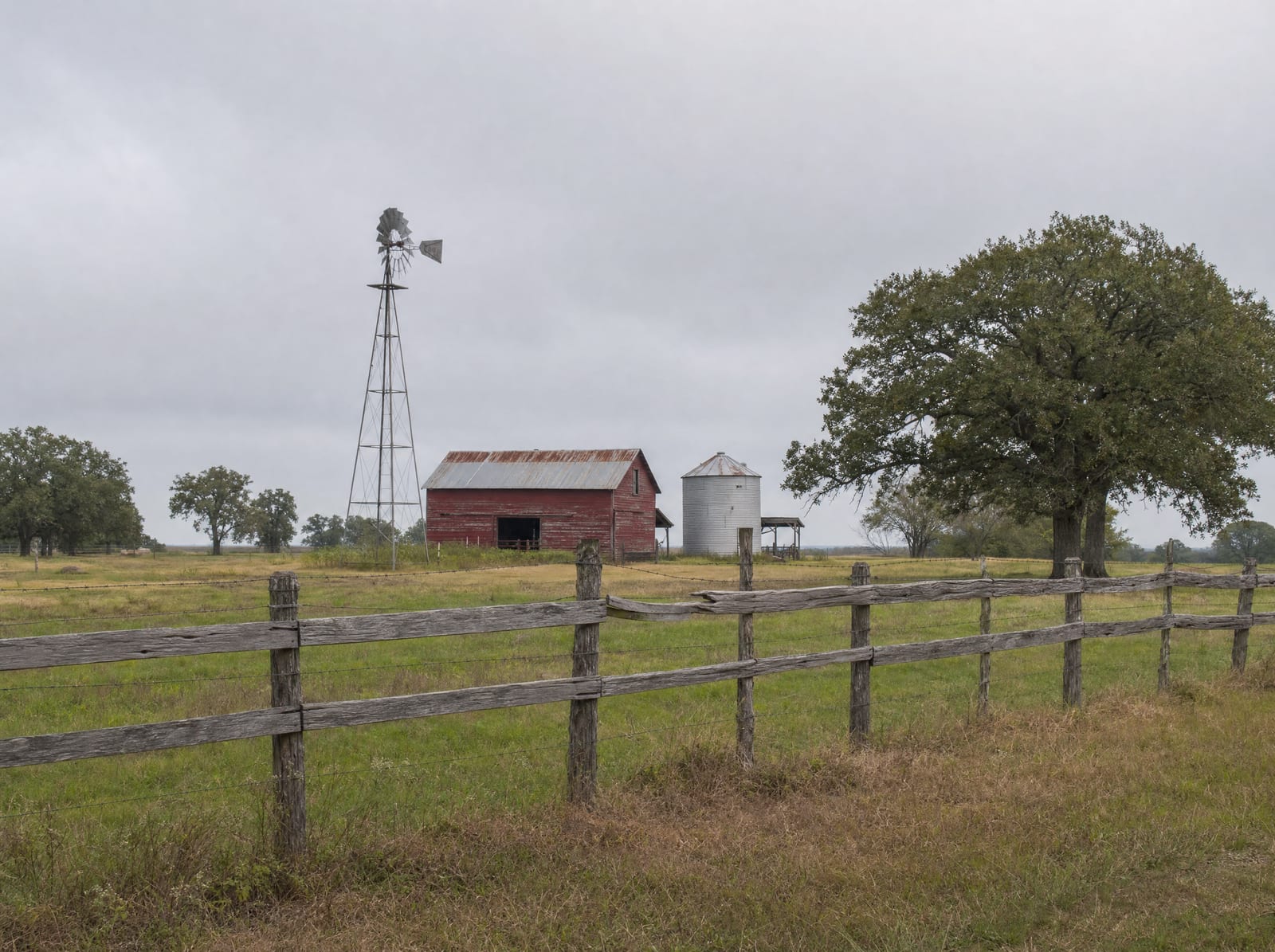
Landowners face unique challenges that differ significantly from residential or commercial property condemnations. Agricultural land, timber land, hunting properties, and undeveloped tracts have value based on factors that standard residential appraisal methods don't capture.
One frequent issue involves the condemning authority's failure to properly value land based on its highest and best use. If your property has development potential, agricultural value, or mineral rights, these factors must be considered in determining fair market value. We work with appraisers who understand these specialized valuation methods and can testify credibly about your property's worth.
Another common problem occurs when only a portion of your land is taken. The condemning authority may offer compensation for the acres taken, but ignore how the taking damages your remaining property. Severed parcels may lose access, agricultural operations may be disrupted, and future development plans may become impossible. Texas law requires compensation for these damages, but you must prove them.
Access issues frequently arise in land condemnations. If the taking eliminates or reduces access to your remaining property, you're entitled to compensation for this loss. The same applies if the project creates a situation where your remaining land has reduced utility or marketability. We document these impacts and ensure they're included in your claim.
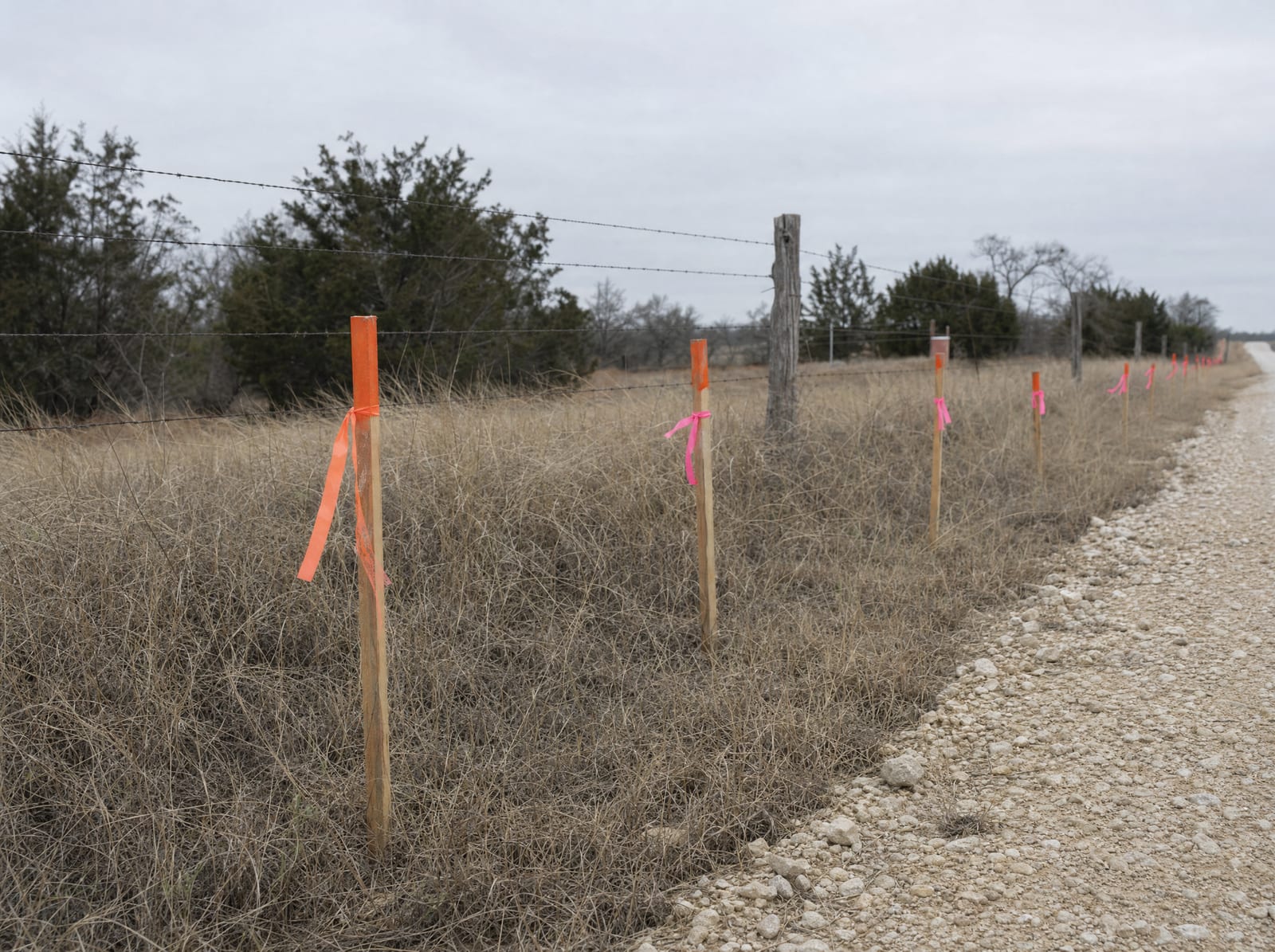
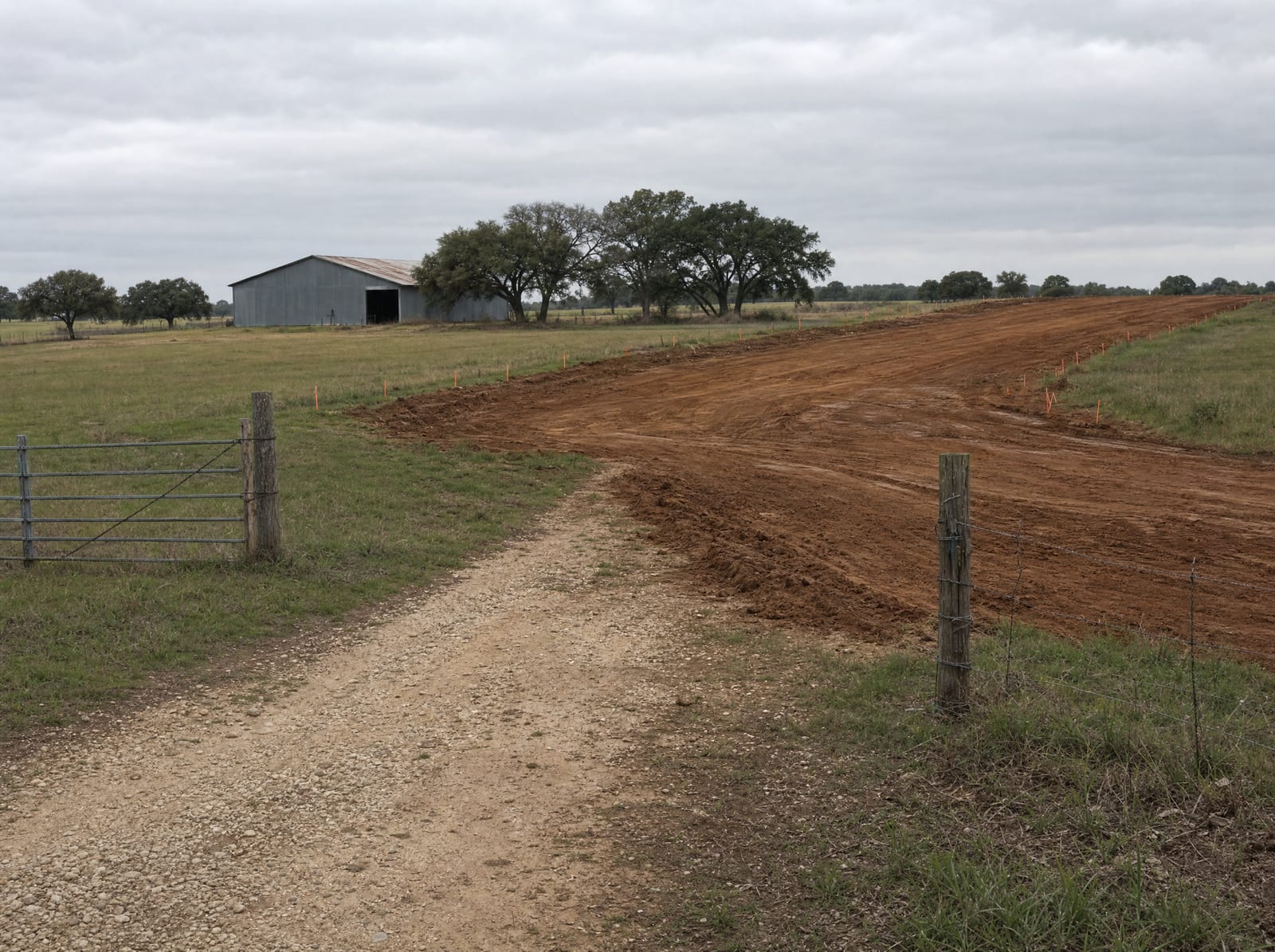
Some landowners discover that the condemning entity has begun work on their property before legal authority exists to do so. This unauthorized entry is a trespass, and you have the right to protect your property and seek damages. We take immediate action when condemning authorities overstep their legal bounds.
Texas law allows landowners to recover attorney's fees in certain eminent domain cases. When we increase your compensation through our representation, the law may require the condemning authority to pay your legal fees. This means you keep more of what you recover.
How Land Condemnation Cases Work
Understanding the eminent domain process helps you know what to expect and when you need to take action to protect your interests.
Initial Contact and Offer
The process typically begins when you receive a letter stating that your property is needed for a public project. The condemning authority will make an initial offer based on its appraisal. You are not required to accept this offer, and most landowners benefit from having legal counsel review it before responding.
Independent Evaluation
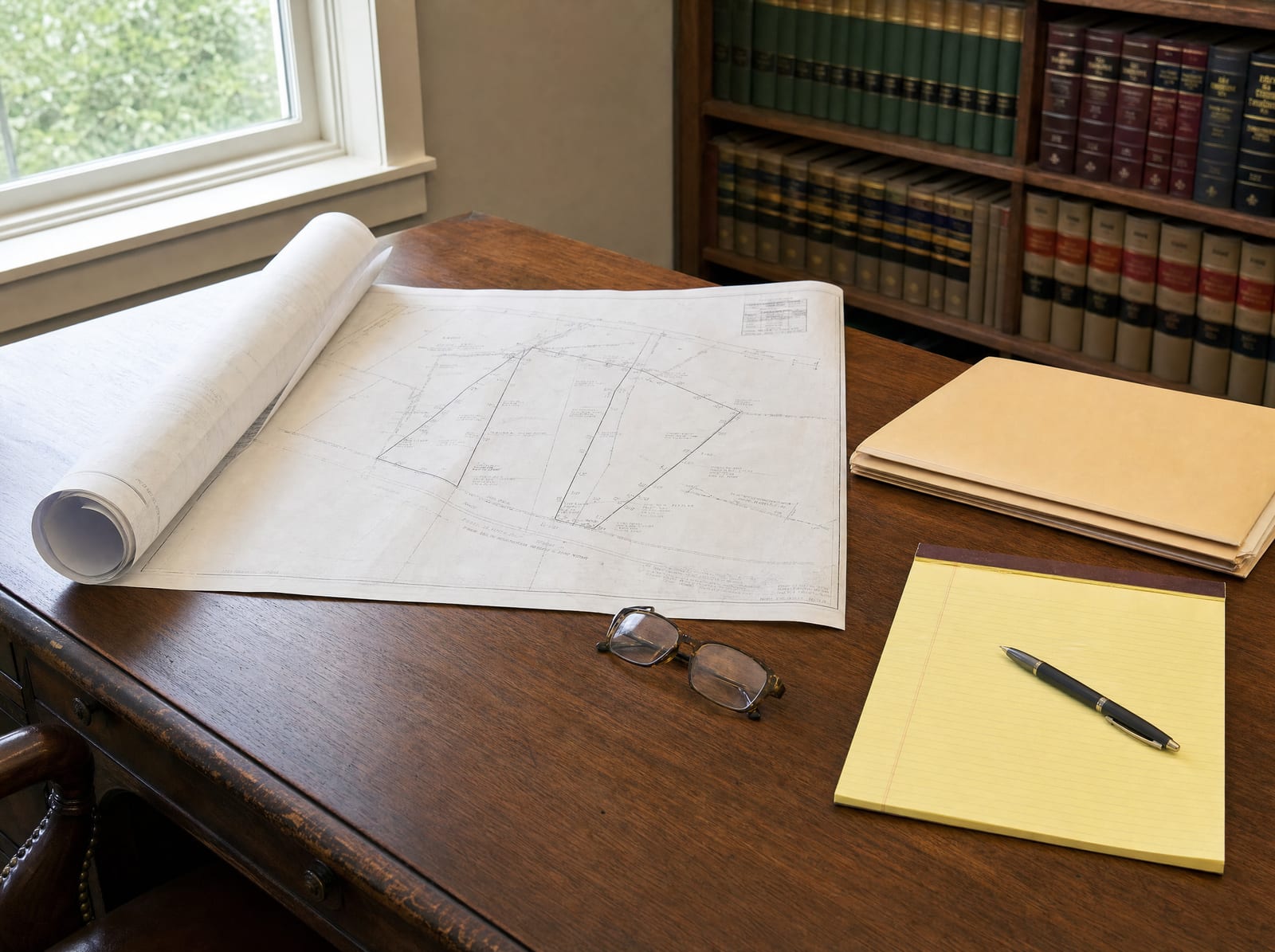
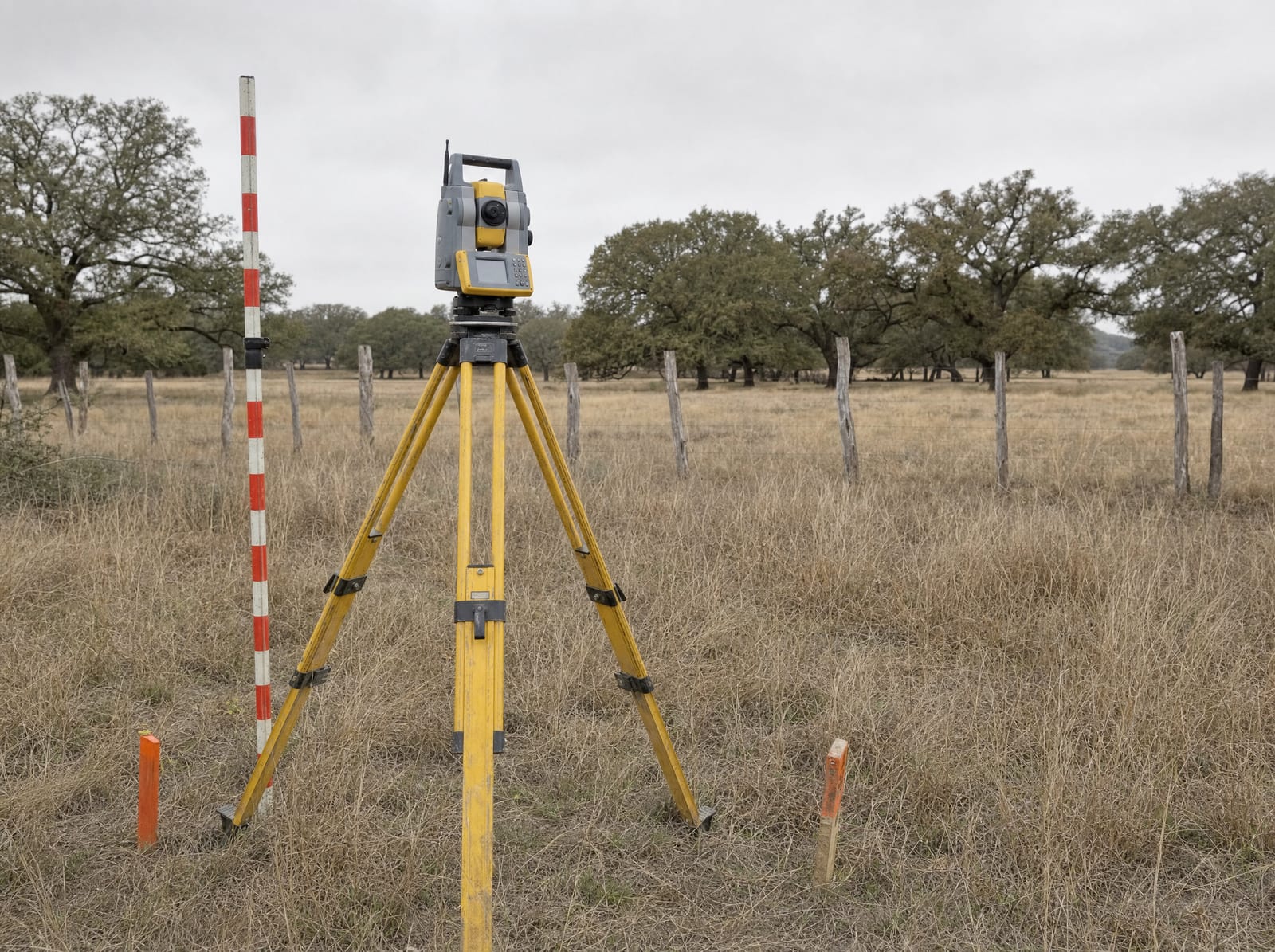
Once you hire us, we immediately begin our own evaluation of your property. This includes reviewing title documents, analyzing the scope of the taking, examining survey information, and retaining expert appraisers to determine true market value. We also assess any damage to your remaining property.
Negotiation Phase
Armed with our independent valuation, we enter negotiations with the condemning authority. We present evidence of your property's value, document all damages, and work to reach a settlement that reflects fair market value under Texas law. Many cases resolve during this phase when the condemning authority recognizes the strength of our case.
Special Commissioners Hearing
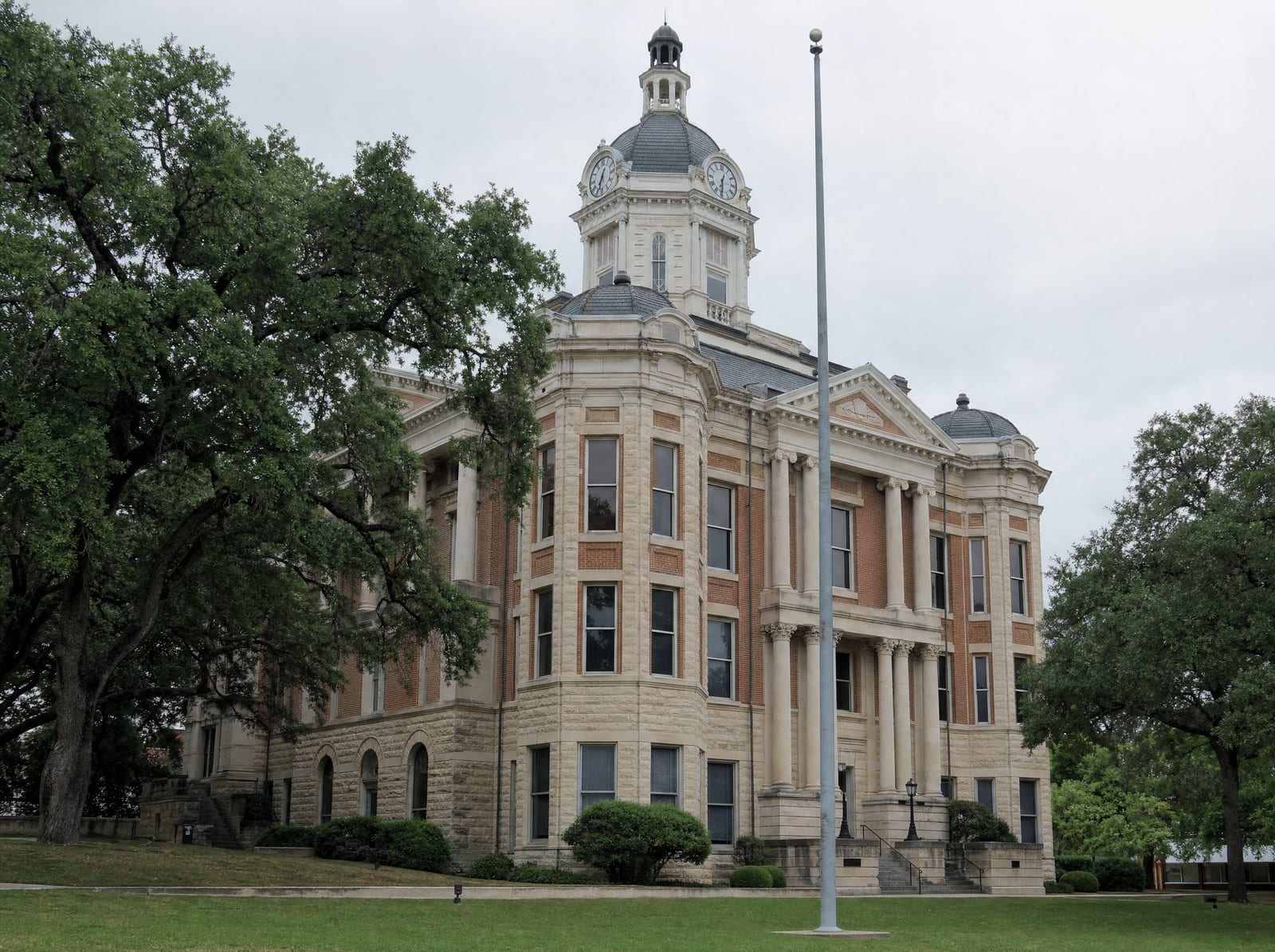
If negotiations don't produce an acceptable offer, the case proceeds to a hearing before special commissioners appointed by the court. Both sides present evidence, and the commissioners determine an award. Either party can object to this award and demand a jury trial.
Jury Trial
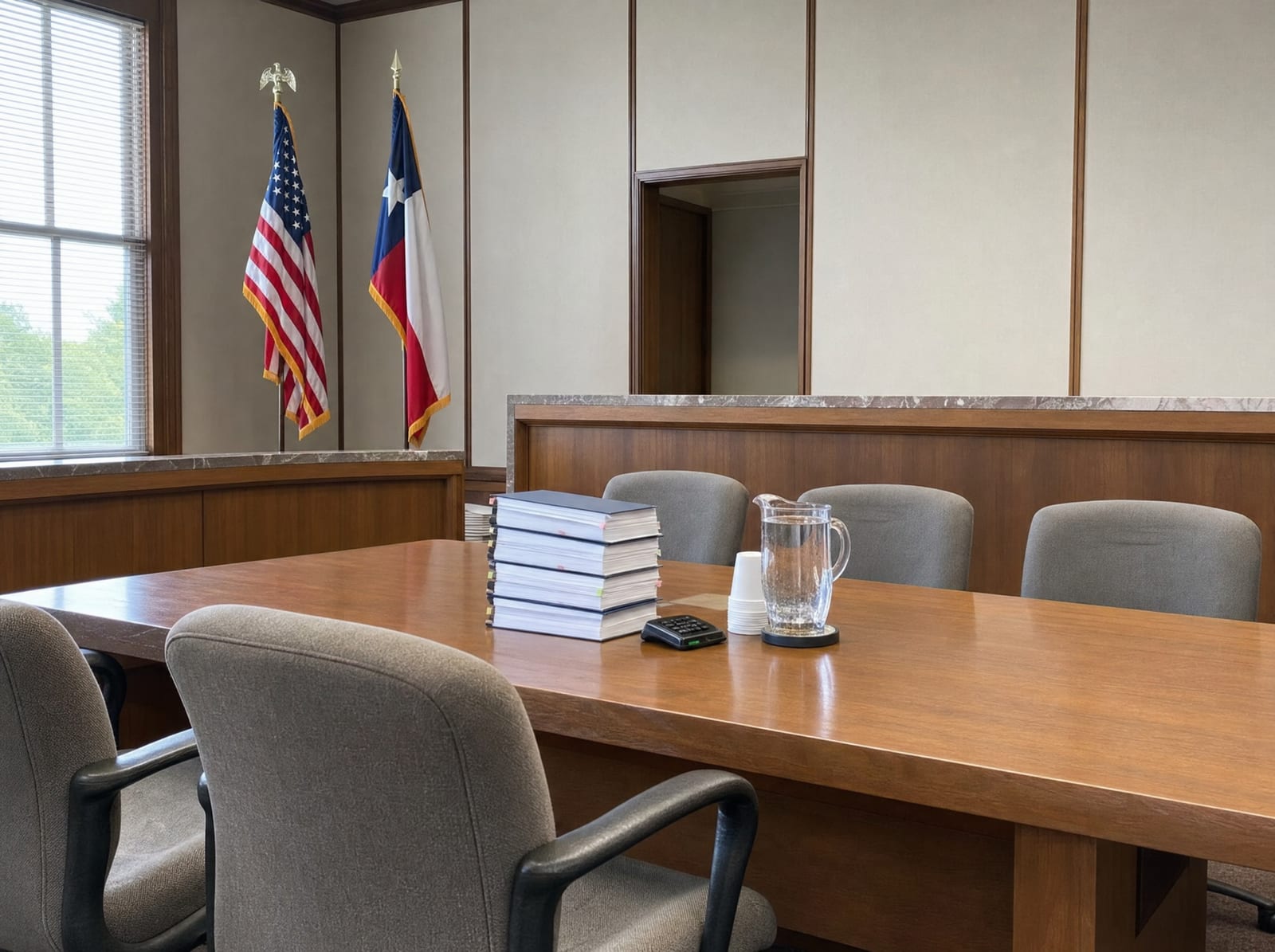
When the special commissioners' award is inadequate, we take your case to trial. A jury of citizens from your county hears evidence about your property's value and decides what compensation is just. We present expert testimony, comparable sales data, and evidence of damages to make the strongest case for maximum compensation.
Post-Trial Proceedings
After a jury verdict, the court enters judgment for the awarded amount. In some cases, appeals may be necessary to protect your rights or challenge an unfair outcome. We handle all post-trial matters to ensure you receive the compensation awarded.

Why Landowners Choose Our Firm
Since 1977, we've built our reputation representing property owners in eminent domain cases throughout the Greater Houston area. Our attorneys understand Texas condemnation law and have the trial experience to take cases to verdict when necessary. We know what it takes to prove land value to a jury and secure maximum compensation.
What sets us apart is our focus on eminent domain cases. This isn't an occasional matter for our firm; it's a core practice area where we've developed deep knowledge of valuation methods, procedural requirements, and litigation strategies. We know the condemning authorities, their legal teams, and their typical negotiation tactics.
We work with a network of qualified experts, including land appraisers, agricultural specialists, engineers, and surveyors who provide the technical testimony needed to prove your case. These relationships mean we can quickly assemble the evidence necessary to support your claim for just compensation.
Our approach is straightforward. We listen to your concerns, explain your legal rights in clear terms, and develop a strategy designed to maximize your recovery. We handle all communication with the condemning authority, manage every procedural requirement, and keep you informed throughout the process.
Frequently Asked Questions About Eminent Domain For Landowners
Do I have to accept the first offer from the condemning authority?
No. The initial offer is rarely the full value of your property, and you have the legal right to reject it and seek just compensation through negotiation or trial. Most landowners receive significantly more compensation when represented by legal counsel who can challenge inadequate offers with independent valuations and expert testimony.
What if they're only taking part of my land?
Texas law requires compensation not only for the land taken but also for damages to your remaining property. If the taking reduces access, splits your property into unusable parcels, or diminishes the value of what you keep, you're entitled to compensation for these damages. We analyze the complete impact and ensure all losses are included in your claim.
Can they take my property even if I don't want to sell?
Yes, if the taking is for a valid public use, but you cannot be forced to accept inadequate compensation. While eminent domain gives condemning authorities the power to take property, the Texas Constitution guarantees you the right to just compensation, which means fair market value determined by a jury if necessary.
How long does an eminent domain case take?
Timeline varies based on whether the case settles or goes to trial. Some cases resolve through negotiation within a few months. Cases that proceed through the special commissioners hearing and require a jury trial typically take one to two years. We work efficiently to resolve your case while ensuring you receive full compensation.
What happens if I disagree with the special commissioners' award?
Either you or the condemning authority can object to the special commissioners' award and demand a jury trial. This is a common step when the commissioners' award doesn't reflect true market value. A jury trial gives you the opportunity to present complete evidence of your property's value to citizens who will decide fair compensation.
Will I have to pay attorney's fees out of my compensation?
Texas law allows landowners to recover attorney's fees in certain eminent domain cases when our representation increases your compensation beyond the original offer. We discuss fee arrangements during your initial consultation, and in many cases, the condemning authority ends up paying your legal fees under statutory provisions.
What if they've already started working on my land without permission?
Condemning authorities must follow specific legal procedures before entering your property. If they've begun work without proper authorization, they may be liable for trespass. We take immediate action to stop unauthorized entry and seek damages for any harm to your property.
How is land value determined in condemnation cases?
Fair market value is established through expert appraisal testimony based on comparable sales, highest and best use analysis, and specific characteristics of your property. Factors include location, access, topography, soil quality, water rights, timber value, mineral rights, and development potential. We work with qualified appraisers who specialize in valuing the specific type of land you own.
Schedule An Attorney Consultation
Fields marked with an asterisk are required.
Discuss your representing landowners matter
Contact Showalter Colgin & Davis at (281) 341-5577 to speak with an attorney. We serve property owners, businesses, and families throughout the Greater Houston area.