

Practice Areas
Current Infrastructure Projects
Major highway expansions, pipeline installations, and utility projects across Texas are triggering eminent domain actions. Property owners facing condemnation need to understand which projects affect their land and how to protect their compensation rights.
Is Your Property in the Path of a Texas Infrastructure Project?
Highway expansions, pipelines, and utility projects are actively affecting property owners across Fort Bend County, Greater Houston, and Texas. If your land is involved, knowing your rights early makes a difference.
Active Infrastructure Projects Requiring Property Acquisition
Texas continues to see unprecedented infrastructure development, with state and federal agencies, utility companies, and pipeline operators acquiring private property for public projects. Understanding which projects are active in your area helps you prepare for potential condemnation proceedings and protect your property rights.
These active projects span residential neighborhoods, commercial corridors, agricultural land, and undeveloped property across multiple Texas counties. The scope ranges from highway widening that requires small strips of property to major transmission lines that bisect entire parcels. Property owners who receive initial contact letters or notices should act quickly to understand their rights and options.
Major Highway and Transportation Projects
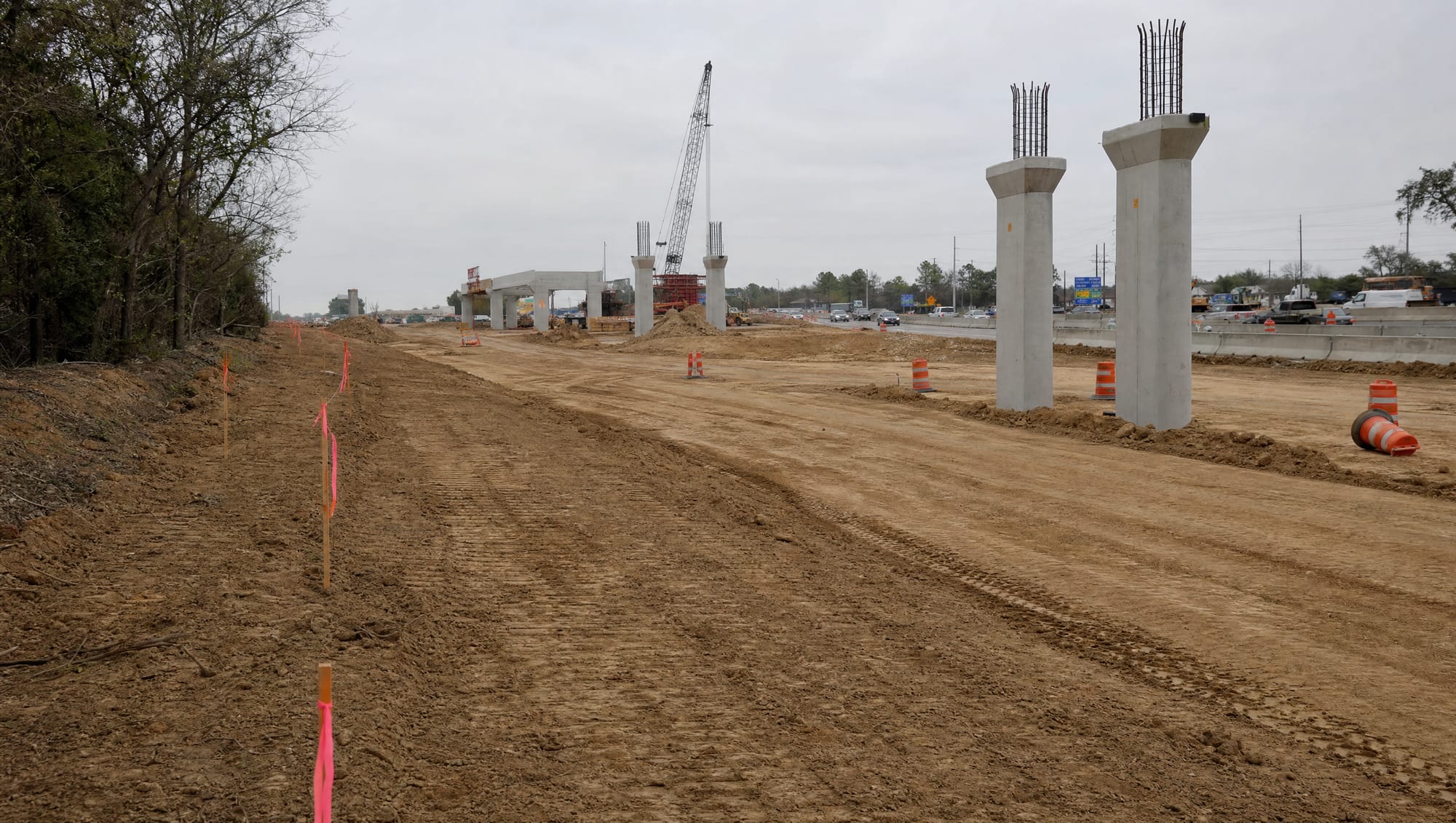
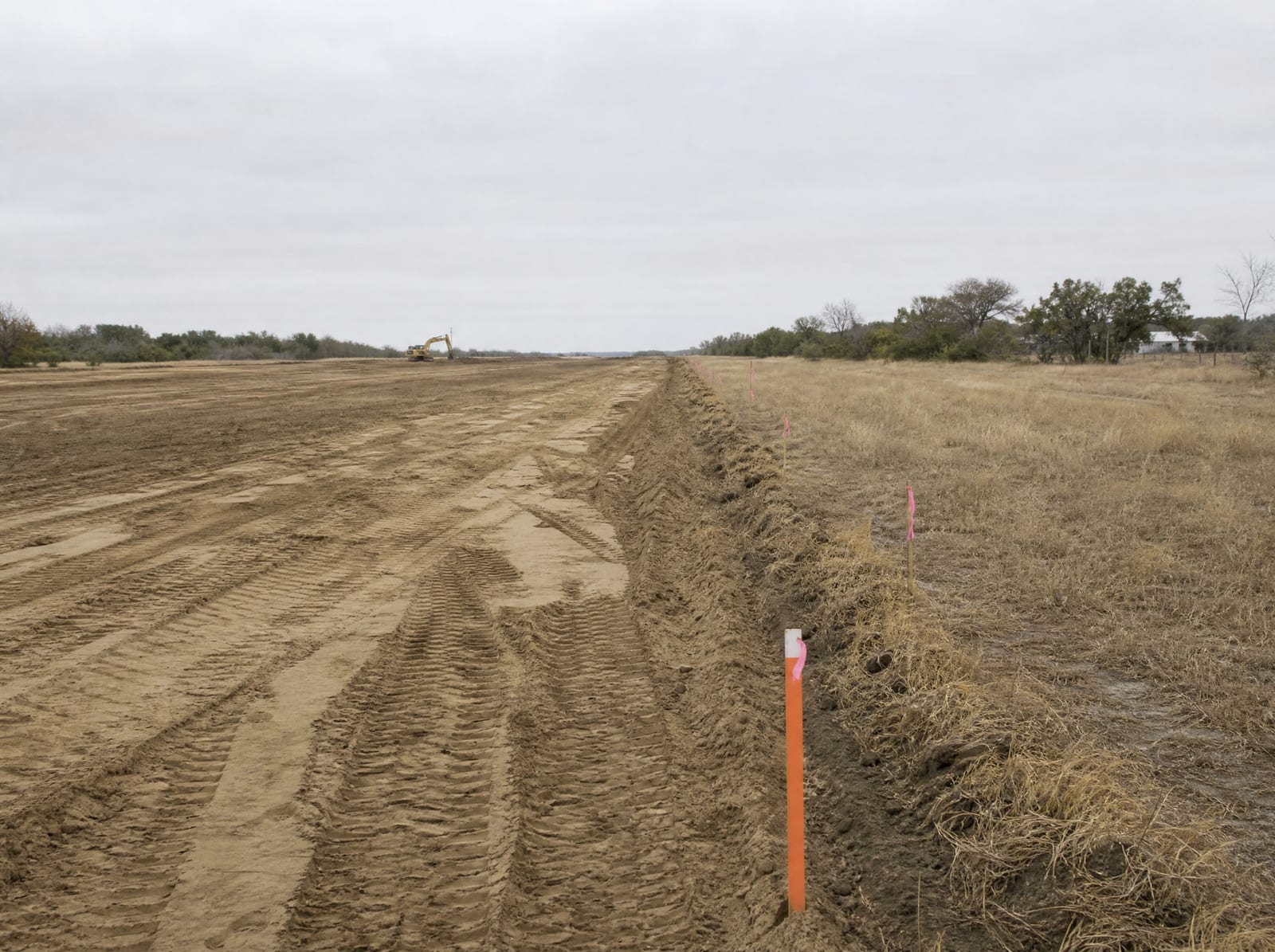
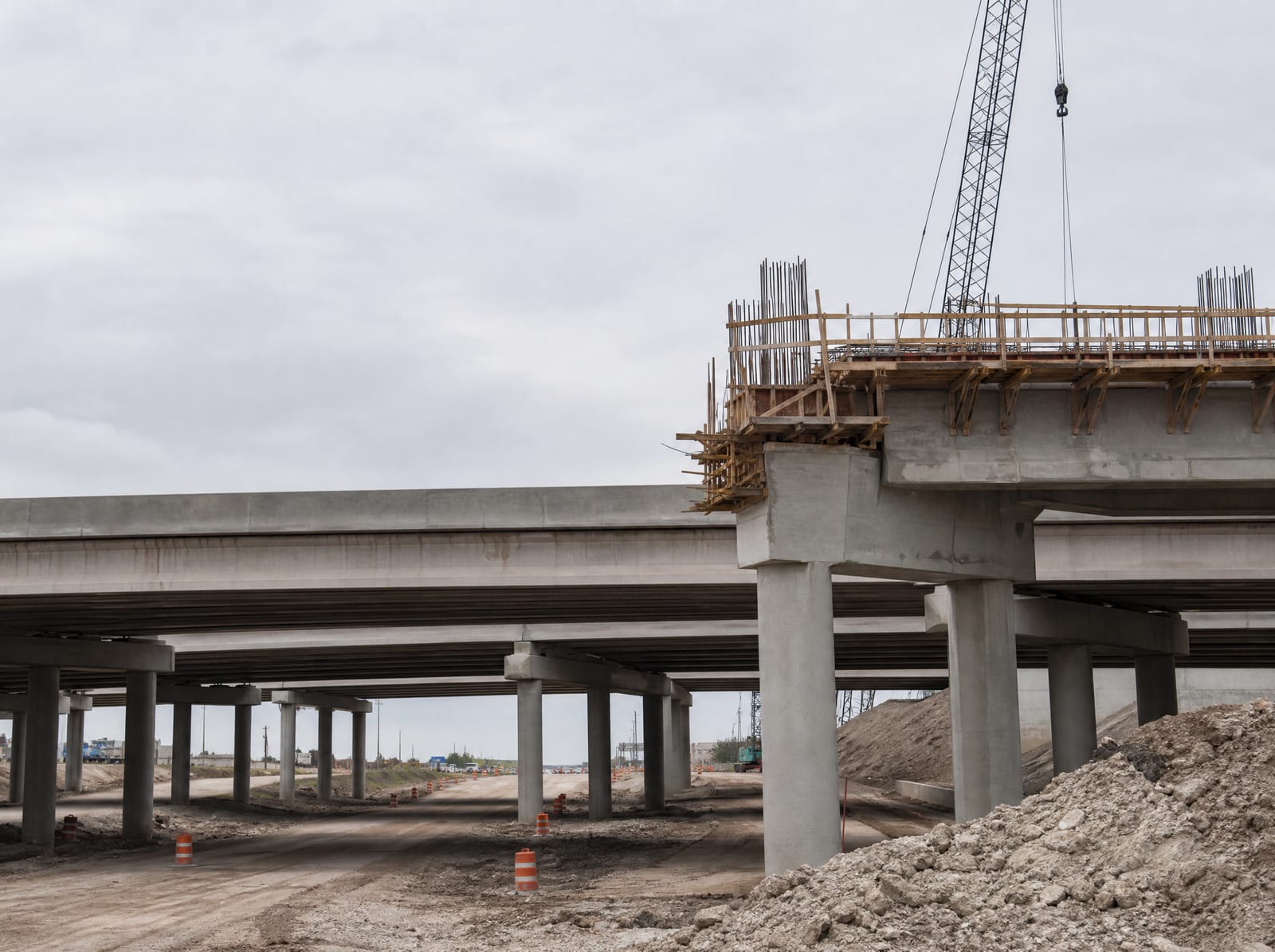
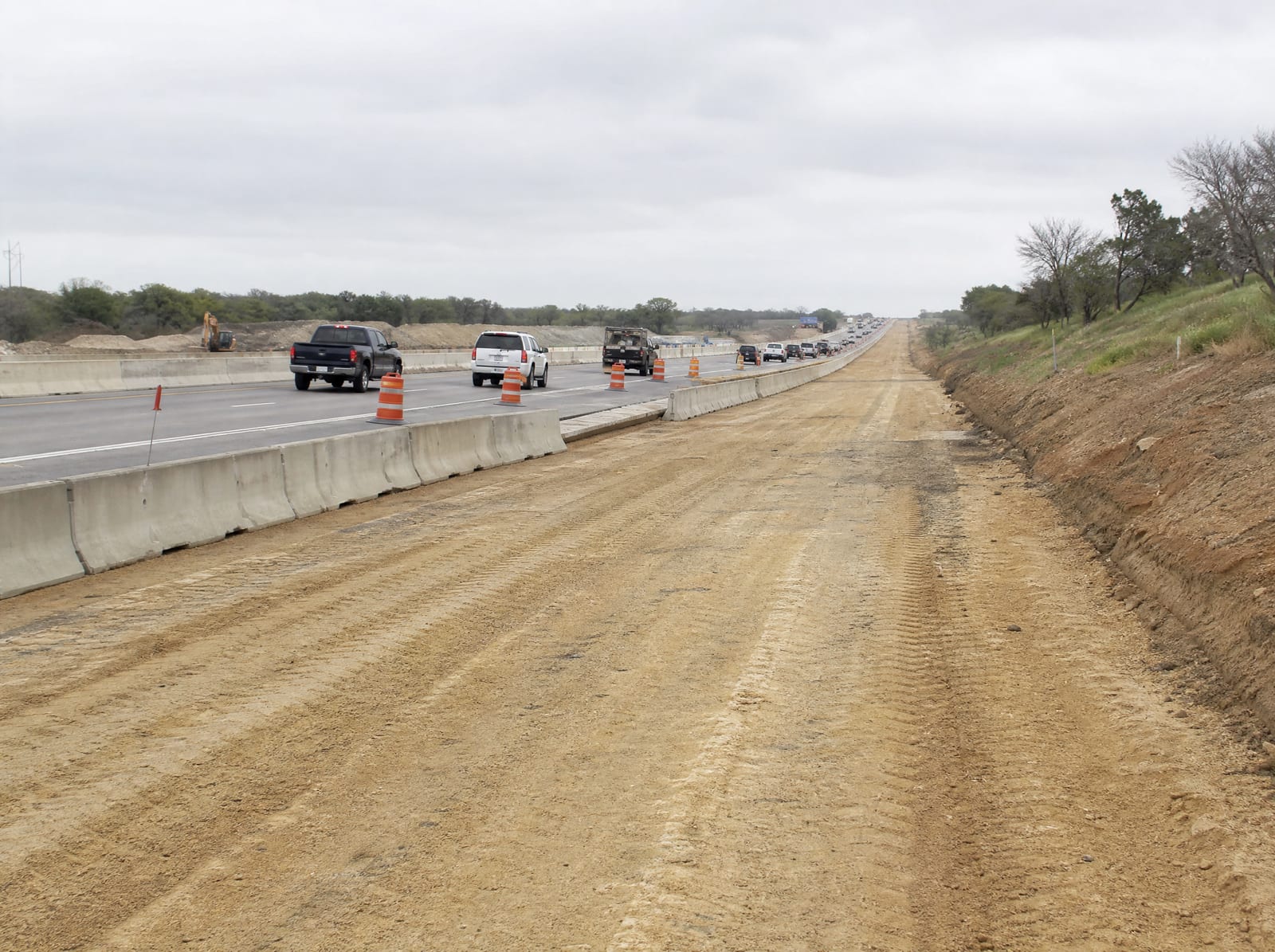
TxDOT and local transportation authorities are acquiring property for road expansions, new toll roads, and improved interchanges. These projects often require right-of-way along existing corridors but can also demand substantial property takings for new alignments.
Grand Parkway Sections B & C
The outer loop around Houston continues expansion through multiple counties, requiring residential and commercial property acquisitions. Segment B-1 is in active design-build procurement with construction expected to begin in 2026. Segment C remains environmentally approved but has no confirmed construction timeline. This project involves both permanent takings for the roadway itself and temporary easements for construction staging.
I-45 Harris County
The North Houston Highway Improvement Project represents one of the largest urban highway expansions in Texas history, with construction actively underway as of 2025. Hundreds of property owners face full or partial takings as TxDOT reconstructs the interstate and downtown freeway loop system. The $13 billion project is expected to take approximately 18 years to complete in full, making experienced legal representation essential for affected property owners at every stage.
SH 249 Harris County
State Highway 249 expansion continues northward from Houston, converting sections to tollway and acquiring property along the corridor. Both Houston and surrounding communities see ongoing acquisition activity as the project progresses through different phases.
FM 2920 Harris County
This major east-west corridor through northwest Houston has been under study for widening and intersection improvements. Commercial property owners along the corridor should monitor project developments, as ROW acquisition will affect parking areas, access points, and building setbacks that can reduce property values even beyond the land actually taken.
FM 517 Brazoria & Galveston Counties
Expansion of this coastal corridor involves residential, commercial, and agricultural property across two counties. The project demonstrates how single highway improvements can affect diverse property types, each requiring different valuation approaches and compensation calculations.
FM 646 Galveston County
Property acquisitions along this route affect both developed and undeveloped parcels near the coast. Owners should pay careful attention to how project boundaries interact with flood zones and environmental restrictions that can affect property values.
US 90 Waller, Fort Bend & Harris Counties
This west Houston corridor expansion widens US 90 from a two-lane roadway to a four-lane divided roadway from I-10 to FM 1463, with an estimated construction cost of approximately $113 million. The project also adds sidewalks and shared-use paths along the corridor. Landowners should consider not just current land use but also development potential when assessing fair compensation for condemned property.
FM 1488 Harris & Waller Counties
Property acquisitions along this corridor affect both established neighborhoods and newer developments across Harris and Waller Counties. The project widens existing FM 1488 from a two-lane undivided roadway to a four-lane divided roadway. The project shows how infrastructure expansion follows population growth into previously rural areas.
SH 75 Montgomery County
This north Houston corridor project requires property takings as the region continues developing. Property owners should understand how partial takings might affect access to remaining property and future development potential.
Pipeline and Energy Transmission Projects
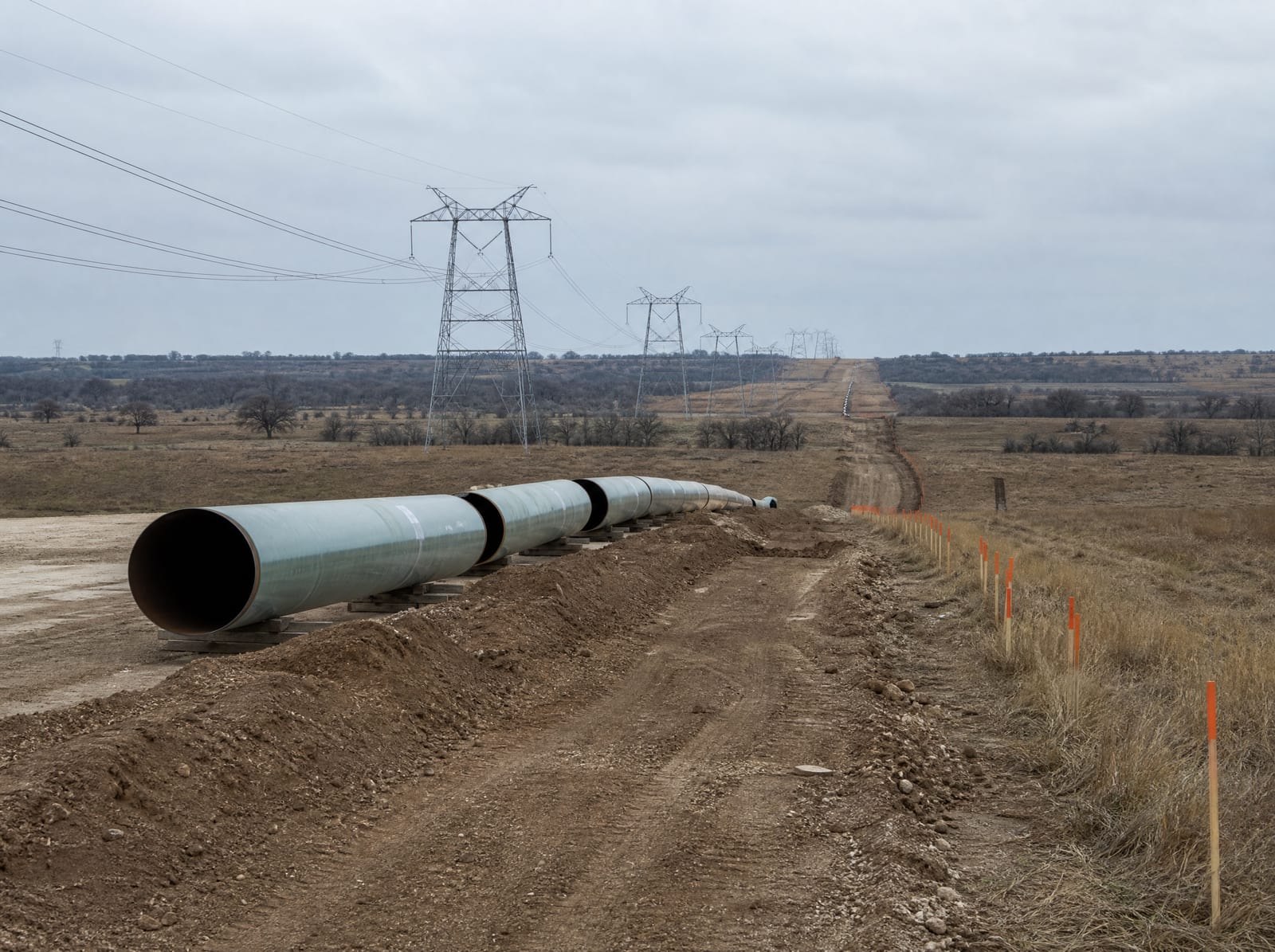
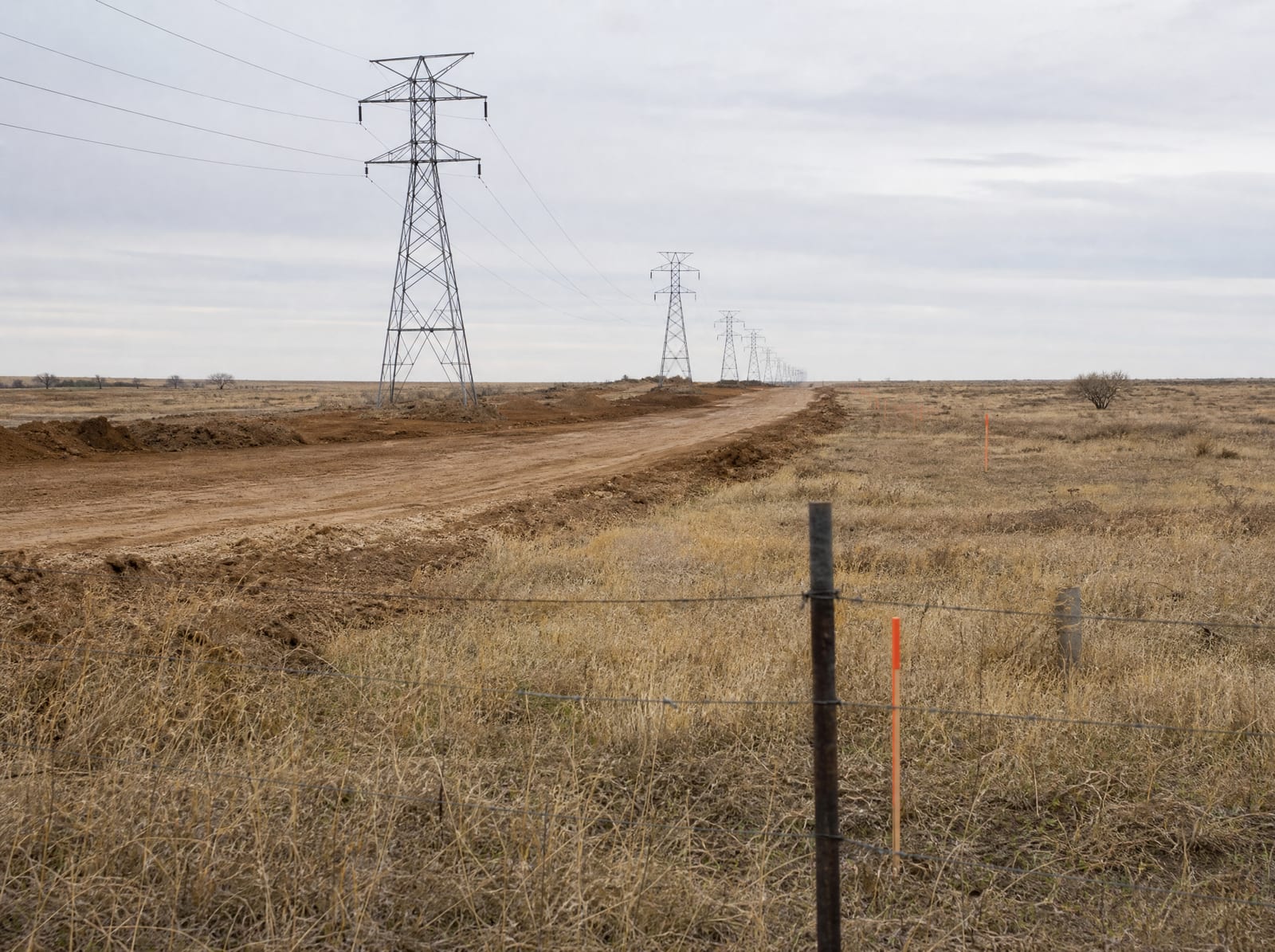
Pipeline companies and utility providers exercise eminent domain authority to install transmission lines, natural gas pipelines, and related infrastructure across private property. These projects typically involve permanent easements rather than full property acquisition, but they can significantly affect property use and value.
The Bahia NGL Pipeline from West Texas to Chambers County represents one of the largest recent pipeline installations in Texas, spanning 550 miles across more than 20 counties. The pipeline entered commissioning and began commercial operations in late 2025. Although construction is complete, property owners along the corridor who have not yet resolved easement compensation disputes retain their legal rights to challenge inadequate offers. The North McCamey Sand Lake Transmission Line in Upton and Reeves Counties demonstrates how energy infrastructure projects affect West Texas ranch land, with valuation issues involving mineral rights, water rights, and agricultural use limitations.
Pipeline easements create permanent restrictions on property use, preventing structures and deep-rooted vegetation within easement boundaries. Property owners should consider not just the immediate impact but also how these restrictions affect future development potential, property marketability, and overall land value.
Austin Area Transportation Expansion
Central Texas continues experiencing rapid growth, triggering major transportation projects that require substantial property acquisitions. Austin-area projects involve complex valuation issues as they affect high-value urban property, developing suburban land, and rural parcels simultaneously.
I-35 Capital Express Central Travis County
This massive reconstruction of Interstate 35 through downtown Austin represents one of the most significant urban highway projects in Texas. The project involves full property takings, partial takings, and temporary construction easements affecting residential, commercial, and mixed-use properties. Property owners face complex valuation questions as the project changes access patterns, noise levels, and neighborhood character throughout central Austin.
Corridor F Williamson County
This new toll road alignment north of Austin requires significant property acquisitions through developing areas. The project shows how new highway construction differs from expansion of existing corridors, often requiring larger property takings and creating more severe impacts on remaining property. Landowners should carefully evaluate how new road alignment affects development potential and property access.
US 183 Lampasas County
Highway expansion north of the Austin metro area affects property as development pressure extends into previously rural counties. This project demonstrates how infrastructure follows population growth, with condemnation proceedings potentially involving property that has increased substantially in value as urban areas expand outward.
North and West Texas Infrastructure Development
Infrastructure projects extend across all regions of Texas, with significant activity in the Dallas-Fort Worth area, West Texas energy corridors, and other developing regions. The Keller Hicks Improvements project in Tarrant County addresses transportation needs in the northwest Dallas-Fort Worth metroplex. This commercial corridor expansion affects retail centers, office properties, and residential areas, creating complex valuation questions about how partial takings affect remaining property value and functionality.
West Texas projects like State Highway 178 in El Paso County and US 62 in El Paso County show infrastructure development supporting border region growth. These projects often involve different property types and valuation considerations than urban projects in major metropolitan areas. Farm-to-Market road improvements like FM 236 in Victoria County demonstrate how rural infrastructure projects affect agricultural operations. These takings require careful evaluation of how property acquisition affects irrigation systems, pasture management, agricultural productivity, and ranch operations.
Understanding Project Timelines and Property Owner Rights
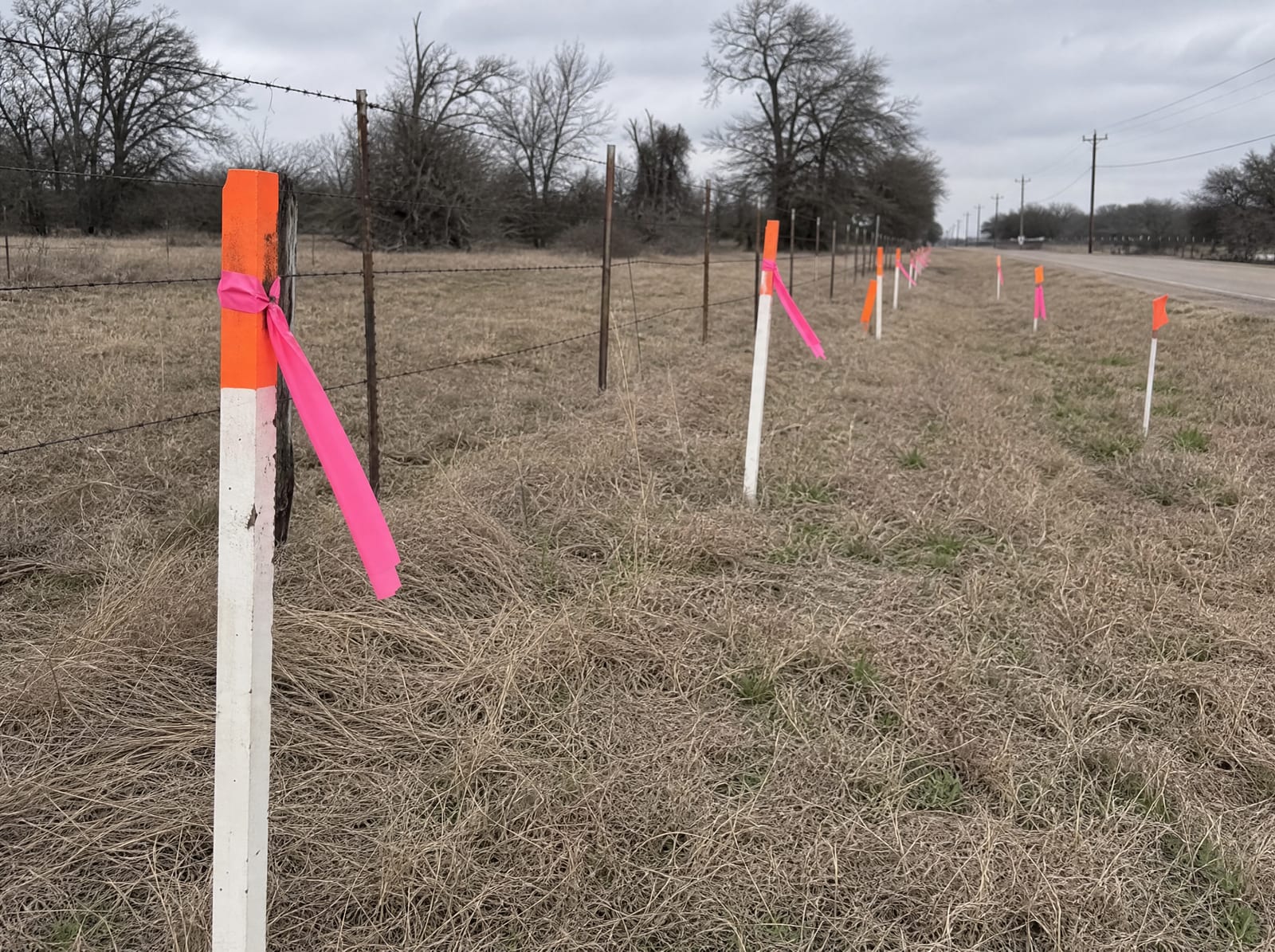
Infrastructure projects move through distinct phases, each creating specific opportunities and deadlines for property owners. Most projects begin with preliminary engineering and environmental review before acquiring authorities contact property owners. Early outreach often comes through informational mailings or public meetings where agencies present project concepts. Property owners should attend these meetings and begin documenting property characteristics that might affect valuation, even before receiving formal acquisition offers.
Formal condemnation proceedings typically start with written offers to purchase property or easements. Texas law requires acquiring authorities to make good-faith offers based on appraisals, but initial offers often undervalue property rights. Property owners should obtain independent appraisals and legal advice before responding to any acquisition offer.
The timeline from initial contact to final compensation varies by project and negotiation progress. Some acquisitions settle through negotiation within months, while others require formal condemnation proceedings that can extend a year or more. Property owners who engage experienced eminent domain attorneys early in the process typically achieve better outcomes than those who try negotiating directly with acquiring authorities.
How Property Valuation Works in Infrastructure Projects
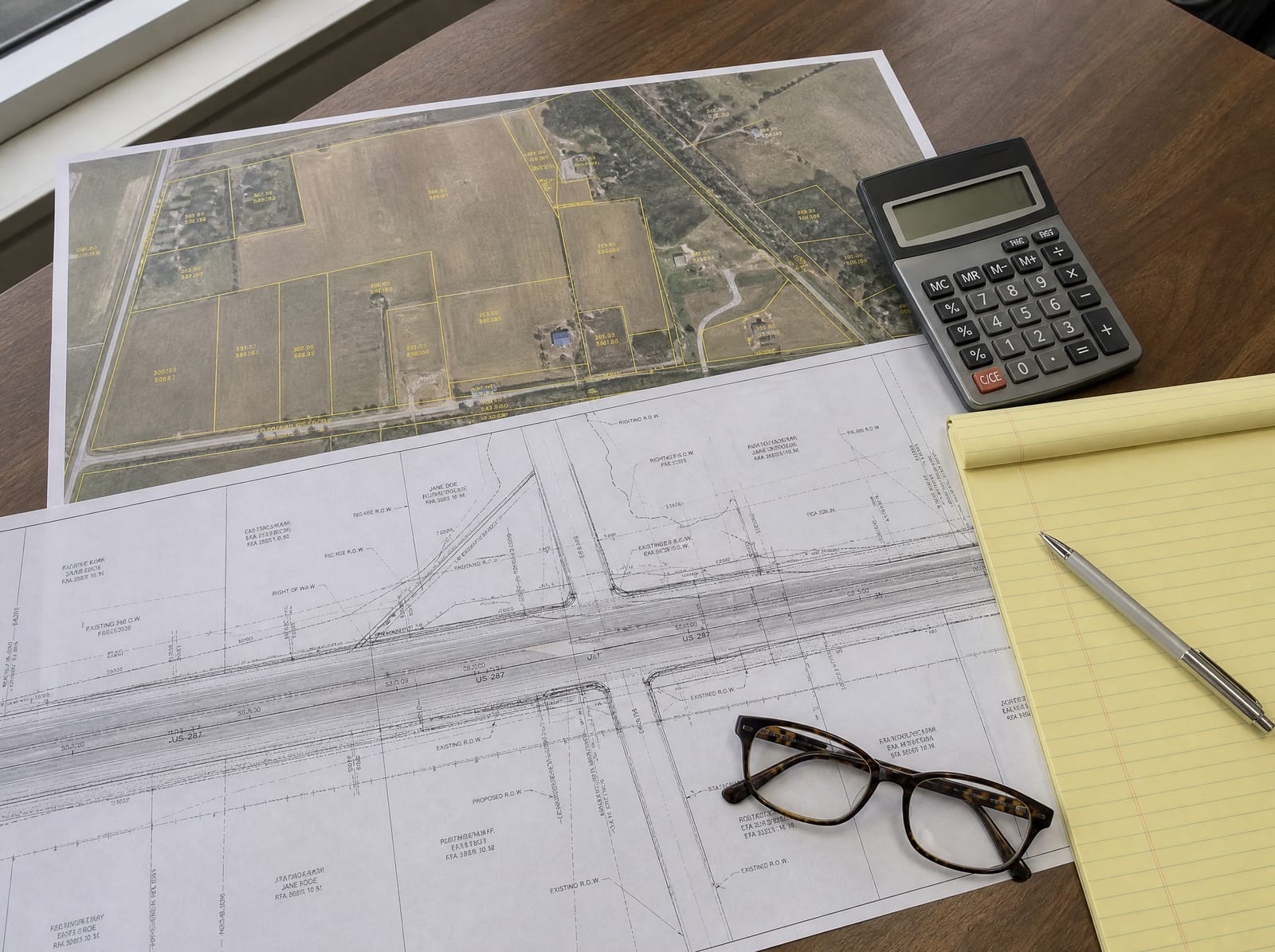
Infrastructure condemnations involve complex valuation questions that determine whether property owners receive fair compensation. Full takings require compensation at fair market value, meaning what a willing buyer would pay a willing seller for the property in its highest and best use. Appraisers must consider not just current use but also development potential, location advantages, and market trends.
Partial takings create more complex valuation questions because compensation must include both the value of land taken and damages to the remaining property. A highway project that takes a strip along the front of a commercial parcel might eliminate most parking, making the business much less viable. Just compensation includes payment for this reduction in remaining property value, but acquiring authorities often try to minimize or ignore these damages.
Easement acquisitions for pipelines or utility lines require payment for the permanent property rights the easement conveys. Pipeline easements restrict all structures and deep-rooted vegetation within the easement area, permanently affecting property use. Compensation should reflect these ongoing restrictions plus any diminution in overall property value caused by the easement presence.
Temporary construction easements allow project staging but should return property to pre-project condition. Property owners should document property condition before construction begins and hold acquiring authorities accountable for proper restoration. Acquisition offers almost always start below fair market value. Independent appraisals commissioned by property owners typically identify additional value elements that government appraisers missed or undervalued.

Why Experience Matters in Infrastructure Condemnations
Infrastructure projects involve sophisticated acquiring authorities with extensive condemnation experience and legal teams focused on minimizing compensation costs. Property owners need equally experienced representation to protect their interests and secure fair compensation.
Showalter Colgin & Davis, PLLC has represented property owners in eminent domain proceedings since 1977. This experience spans highway takings, pipeline easements, utility acquisitions, and every type of infrastructure project affecting Texas property. The firm understands how different acquiring authorities operate, what valuation approaches various projects require, and how to challenge inadequate compensation offers effectively.
Infrastructure condemnations often involve specific technical issues that affect property value. Highway projects require analysis of traffic patterns, access impacts, and noise effects. Pipeline easements demand evaluation of agricultural impacts, development restrictions, and marketability effects. The firm's attorneys work with qualified appraisers, engineers, and other experts who can properly quantify these impacts and support compensation claims.
The firm serves property owners throughout the Greater Houston area and across Texas. Whether you face a highway taking in Katy, a pipeline easement in Richmond, or utility acquisition in Sugar Land, the firm provides experienced representation focused on protecting your property rights and securing maximum compensation.
Project Reference List
The following projects have involved property acquisition activity in Texas. Active projects are currently acquiring right-of-way or under construction. Completed projects have finished construction, though property owners with unresolved compensation disputes may still have legal options available.
Active Projects
- Grand Parkway Sections B & C
- I-45 Harris County
- FM 517 Brazoria & Galveston Counties
- FM 646 Galveston County
- FM 1488 Harris & Waller Counties
- FM 236 Victoria County
- FM 2920 Harris County
- US 90 Waller County
- SH 75 Montgomery County
- SH 249 Harris County
- I-35 Capital Express Central Travis County
- Corridor F Williamson County
- US 183 Lampasas County
- Keller Hicks Improvements Tarrant County
- SH 178 El Paso County
- US 62 El Paso County
Completed Projects: Easements Recorded
Frequently Asked Questions About Infrastructure Projects
Can I stop an infrastructure project from taking my property?
Texas law grants acquiring authorities broad eminent domain power for legitimate public projects. Property owners cannot typically prevent properly authorized takings, but you can challenge inadequate compensation and ensure the project follows required procedures. Legal representation helps property owners understand their rights, obtain fair compensation, and hold acquiring authorities accountable for following proper condemnation procedures.
How long do I have to respond to a property acquisition offer?
While acquisition offers may suggest response deadlines, Texas law does not require immediate acceptance. Property owners should take time to obtain independent appraisals, legal advice, and expert evaluation before responding to any offer. However, excessive delay without good reason can complicate proceedings, so property owners should engage counsel and begin evaluation promptly after receiving offers.
What if the project only takes part of my property?
Partial takings require compensation for both the land actually taken and any reduction in value to your remaining property. Highway projects that eliminate parking, reduce access, or create noise and visual impacts must pay damages for these effects on remaining property. Pipeline easements that restrict future development or reduce marketability must compensate for ongoing limitations. Property owners should never accept partial taking compensation without understanding full impact on remaining property value and use.
Do I need a lawyer if the government made a fair offer?
Determining whether an offer is truly fair requires understanding property valuation principles, market conditions, and project impacts that most property owners cannot assess without professional help. Government appraisers work for acquiring authorities whose interest is minimizing compensation costs. Independent legal representation with access to qualified appraisers protects your interests and often identifies additional compensation elements that initial offers missed or undervalued.
What happens if I reject the acquisition offer?
Rejecting an inadequate offer does not stop the project. Acquiring authorities can file formal condemnation proceedings, potentially depositing estimated compensation with the court and taking possession of property before final compensation determination. However, property owners retain the right to challenge compensation in these proceedings and present evidence of property value. Formal proceedings often result in higher compensation than initial offers, particularly when property owners have experienced legal representation and proper valuation evidence.
How do pipeline easements differ from highway takings?
Highway projects typically involve full property acquisition through condemnation, with property owners losing all rights to the taken area. Pipeline projects typically acquire permanent easements rather than full ownership, allowing continued property ownership subject to easement restrictions. However, pipeline easements create permanent limitations on property use and can significantly affect property value, marketability, and development potential. Compensation for easements should reflect the full scope of property rights the easement conveys and all impacts on overall property value.
Can the government take my property before paying me?
Texas law allows acquiring authorities to take possession after depositing estimated compensation with the court, even if final compensation remains disputed. This quick-take procedure should not pressure property owners into accepting inadequate compensation. Property owners retain the right to challenge deposited amounts and pursue additional compensation through condemnation proceedings. Quick-take does not eliminate your rights but rather makes experienced legal representation more important for protecting your interests.
Schedule An Attorney Consultation
Fields marked with an asterisk are required.
Discuss your current infrastructure projects matter
Contact Showalter Colgin & Davis at (281) 341-5577 to speak with an attorney. We serve property owners, businesses, and families throughout the Greater Houston area.