

Your First Steps After Receiving a Notice of Condemnation
On Behalf of Showalter Colgin & Davis, PLLCPublished Updated
- eminent domain
- condemnation
- condemnation notice
- landowner rights
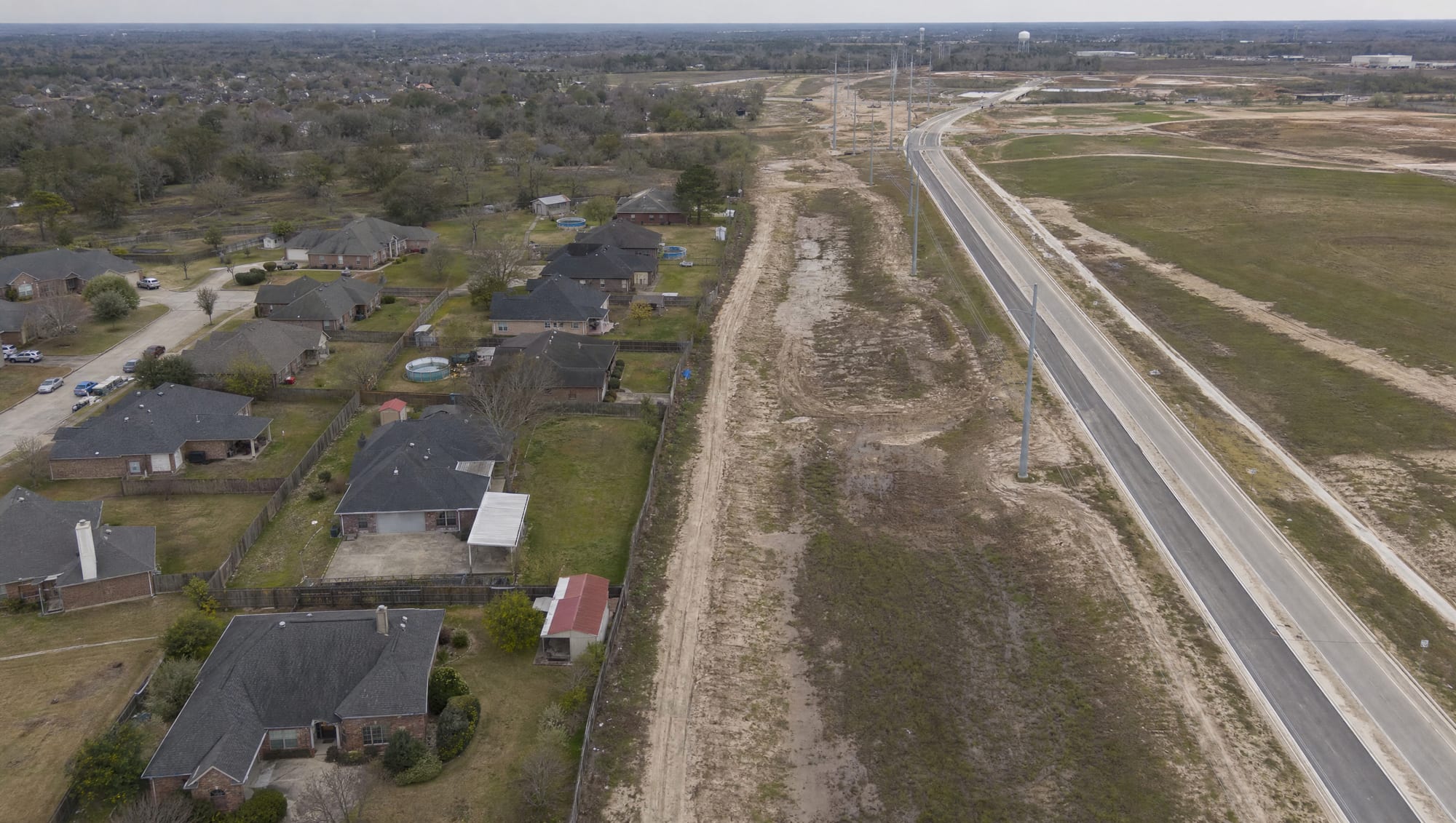
A notice of condemnation can turn an ordinary week upside down. The letter says a government agency, a utility, or another entity with eminent domain authority wants part of your property, and it usually arrives with a dollar figure and a deadline. It is easy to assume that the decision is already made and the first offer is the only number you will see. That is rarely true. Texas law builds in several steps and protections before a taking can be finalized, and the choices you make in the first days can shape your records, your valuation position, and your legal options. A calm, organized first response is worth far more than a quick signature. Knowing what a condemnation notice means, and what to do next, helps you protect your property and your compensation.
Key Takeaways
A condemnation notice is serious, but it is not the end
Texas law includes pre-petition offer requirements and procedural steps before a taking is finalized.
The Landowner's Bill of Rights matters
Texas law requires this document within statutory timing rules when property may be acquired by eminent domain.
Initial offers and final offers are different
A final offer generally starts a more urgent response period before a condemnation petition may be filed.
The offer may not capture every impact
A partial taking can affect access, frontage, drainage, improvements, business use, or the value of the remaining property.
Signing too early can create problems
Deeds, easements, releases, and right-of-entry documents should be understood before they are signed.
A strong response starts with documents and deadlines
Save every letter, map, appraisal, parcel description, and deadline notice.
1. Why a Condemnation Notice Matters
A condemnation notice matters because it signals that an entity with eminent domain authority may be trying to acquire private property for public use. The Texas Constitution protects owners by requiring adequate compensation when property is taken, damaged, destroyed, or applied to public use, unless the owner consents. Texas Property Code Chapter 21 governs many of the procedures that follow. In plain terms, the notice starts a process that has rules, and those rules exist to give you information and time.
What a Condemnation Notice in Texas May Mean
A property owner may receive several different documents, including project letters, right-of-entry requests, initial offers, appraisal materials, final offers, the Landowner's Bill of Rights, or formal court documents after a petition is filed. The word "notice" can point to any of these, so the first task is to identify exactly which document arrived and what deadline it carries. A condemnation notice in Texas is document-driven, and each letter, appraisal, map, easement description, and deadline may matter later.
2. What to Do After a Condemnation Notice
Knowing what to do after a condemnation notice comes down to a short, orderly set of actions: read the notice, preserve every document, identify the taking authority, confirm whether the Landowner's Bill of Rights was included, calendar the deadlines, and avoid signing anything before review. None of these steps requires you to agree to the taking. They simply put you in a stronger position to make an informed decision. The two steps below come first.
Step A: Save Every Document
Save the notice, the envelope, the maps, the appraisal, the offer letter, the parcel description, any easement or deed form, and any emails or notes from project representatives. These records help you evaluate whether the required steps were followed and what property interest is being sought. Keep everything together and dated. It is also wise to avoid casual statements to project representatives, since offhand comments can matter later.
Step B: Identify the Condemning Authority
The condemning authority may be a state agency, a local government, a utility, a pipeline company, a drainage district, or another entity that claims eminent domain power. The Texas Comptroller maintains an eminent domain database where entities with eminent domain authority report information about themselves. Confirming who is behind the notice, and what authority they claim, is a factual first step that shapes how you read everything else.
3. Eminent Domain Notice Next Steps
Your eminent domain notice next steps depend on whether you received an early project letter, an initial offer, a final offer, or a formal court notice after a petition. Before a petition is filed, the focus is usually offer review and negotiation. If negotiation fails, the condemning authority may file a condemnation petition under Texas Property Code Chapter 21. Sorting out which stage you are in tells you how much time you have and what to do with it.
Step A: Check for the Landowner's Bill of Rights
Texas law requires delivery of the Landowner's Bill of Rights to owners whose property may be acquired by eminent domain. The document explains key rights, including compensation, public use limits, appraisal issues, and the right to hire an attorney. Confirm whether it was included with your notice, and note when it arrived. Whether and when you received it can matter, so keep a dated copy with the rest of your file.
Step B: Determine Whether the Offer Is Initial or Final
The difference between an initial and a final offer changes your timeline. TxDOT guidance explains the required bona fide offer elements, including an initial written offer, a written appraisal when required, a final written offer, and at least 14 days for the owner to respond to the final offer before a petition is filed. A final offer generally starts a shorter, more urgent clock, so identifying which offer you hold is one of the most important early questions.

4. Responding to a Condemnation Offer
Responding to a condemnation offer takes more than deciding whether the dollar amount seems fair. You should review what property is being taken, whether the documents match your property, what rights are being conveyed, whether a certified appraisal was provided, and whether the offer accounts for harm to the remaining property. A number that looks reasonable at first can still fall short once the full impact is clear. The two reviews below are where that clarity usually starts.
Review the Appraisal and Property Description
Compare the appraisal, the maps, the metes and bounds description, the parcel number, and the proposed deed or easement. Flag any mismatch quickly, because a difference between the documents and your actual property can affect both the offer and the case. The proposed conveyance instrument tells you what rights you are being asked to give up, which is just as important as the price.
Evaluate Remainder Damages and Practical Impacts
A partial taking may affect the remaining property through reduced access, frontage changes, drainage problems, lost parking, fencing changes, or utility relocation. Document these issues with photos, site plans, leases, business records, and evidence of current use. Whether a given impact is compensable depends on the facts and Texas law, so building a clear record early gives you something concrete to point to later.
5. The Texas Legal and Practical Process
Texas condemnation law ties the notice and offer stage to the later petition and special commissioners' hearing. If the parties cannot agree, the condemning entity may file a petition, and the court then appoints special commissioners to assess damages. Understanding this sequence shows why the early record you build carries weight well past the first offer.
The Petition and Special Commissioners
The condemnation petition generally begins the formal court process. The court appoints three disinterested real property owners as special commissioners, who hear evidence on damages and make an award. A party may object to that award, which moves the dispute into the court process. Each of these stages has deadlines, and each builds on the documents and offers that came before it.
Why Early Response Matters
Early response matters because the appraisal record, the project drawings, the scope of the taking, and the offer documents may shape later valuation arguments. An owner who waits until the special commissioners' hearing is already set may have less time to gather evidence and prepare a position. Acting early does not commit you to a fight; it preserves your options and strengthens whatever choice you make.

6. Long-Term Strategy for Protecting Property Rights
Property owners should build a single condemnation file, document current property conditions, preserve photos and business records, review all easement language, and get advice before agreeing to a taking or an offer. For landowners in Richmond, Fort Bend County, and the Greater Houston area, this is especially important when the taking affects road frontage, commercial property, a utility corridor, agricultural use, drainage, or future development plans. Owners who work with counsel who represents landowners early often understand their options more clearly than those who wait until late in the process.
Common Pitfalls
Landowners commonly stumble after a condemnation notice by assuming the first offer is final, missing the deadline, signing a document too early, skipping a careful look at the appraisal, overlooking damage to the remaining property, relying on verbal explanations, or waiting too long to get help. A better approach is to slow the decision down enough to understand the documents, the deadline, the basis for the offer, and the real impact on your property. That pause is often what protects both the land and the compensation.
Frequently Asked Questions About a Condemnation Notice in Texas
What should I do first after receiving a condemnation notice in Texas? Read the notice, save all attachments, identify the condemning authority, calendar every deadline, and avoid signing any deed, easement, release, or offer acceptance before the documents are reviewed. Texas law provides procedural protections, but you must act promptly.
Do I have to accept the first condemnation offer? No. The first offer is not necessarily the final word. Texas law includes offer requirements, and TxDOT guidance explains that a bona fide offer process includes an initial written offer, a written appraisal when required, a final written offer, and at least 14 days to respond to the final offer before a petition is filed.
What is the Landowner's Bill of Rights in Texas? It explains key protections for property owners in eminent domain matters, including compensation rights, public use limits, the right to receive certain information, and the right to hire an attorney.
What happens if I do not agree with the offer? If the owner and the condemning authority cannot agree, the entity may file a condemnation petition. The court appoints special commissioners to assess damages. A party may object to the commissioners' award and continue the dispute in court.
What should I review before responding to a condemnation offer? Review the amount offered, the appraisal, the property description, the map, the type of property interest being taken, the proposed deed or easement, any construction rights, and the effects on the remaining property.
Can a condemnation notice affect more than the land being taken? Yes. A partial taking can affect the remaining property through access, frontage, drainage, parking, fencing, utilities, business operations, or future use. Whether those impacts are compensable depends on the facts and Texas law, so they should be documented and reviewed.
Final Thoughts
A notice of condemnation is a formal warning, not a final verdict. Texas law gives property owners real protections before a taking is finalized, including the Landowner's Bill of Rights, a written appraisal when required, a bona fide offer process, and a response period before a petition can be filed. Those protections only help if you use them.
Saving every document, identifying the authority, checking the deadlines, and reviewing the offer against the full impact on your property can change how a case turns out. The owners who fare best are usually the ones who slow the decision down and get organized early.
At Showalter Colgin & Davis, PLLC, we have represented Texas property owners since 1977, and in eminent domain matters we represent landowners only, never the condemning authority. From our office in Richmond, we help owners across the Greater Houston area read a condemnation notice, compare the offer to the appraisal and the damage to the remaining property, and understand the rights they are being asked to give up. If a condemnation notice or an eminent domain offer has arrived, contact us to talk through the documents and your options before a deadline passes or you sign anything.
Related Articles
Texas House Bill 2730 Explained
Texas House Bill 2730 changed condemnation offer rules, the Landowner's Bill of Rights, and easement terms. Here is what Texas property owners should know.
What Are the Elements of a Condemnation Petition?
A Texas condemnation petition has required elements under Property Code Section 21.012. Here is what each part must say and what landowners should check.
Grand Parkway Eminent Domain: What Fort Bend Landowners Should Know
Facing a Grand Parkway eminent domain offer in Fort Bend County? Learn what the SH 99 expansion may mean for your property and your rights.