

Grand Parkway Eminent Domain: What Fort Bend Landowners Should Know
On Behalf of Showalter Colgin & Davis, PLLCPublished
- eminent domain
- condemnation
- grand parkway
- landowner rights
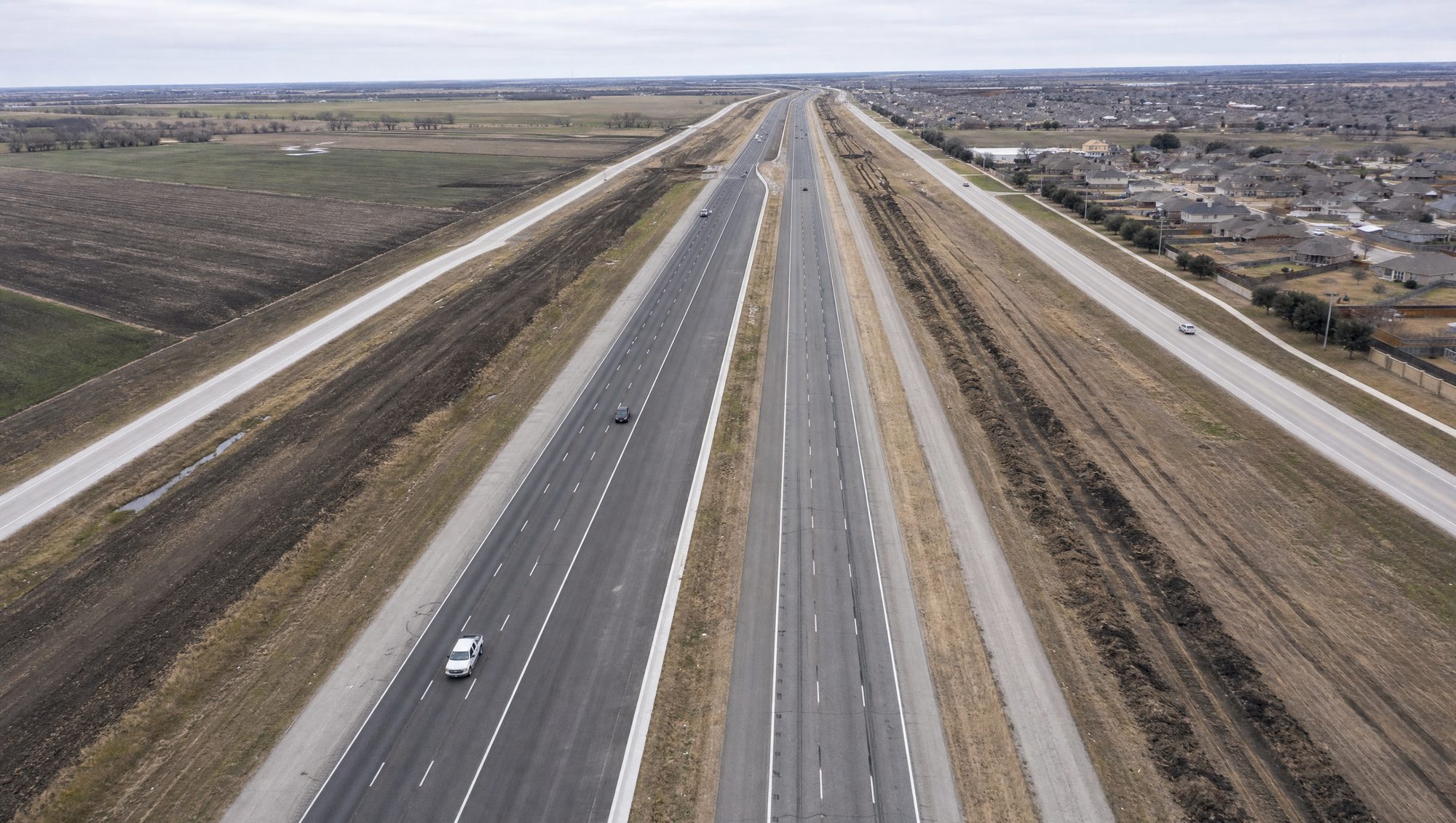
If a letter about the Grand Parkway has already reached your property, the project is no longer a line on a map. It is a driveway that may move, a sign that may lose its visibility, a fence line that may shrink, or a strip of frontage the state wants to buy. The SH 99 expansion through Fort Bend County can affect far more than traffic, and the process that feels routine to a government agency is personal and financial for you. The most important thing to understand is that the point where a decision matters most comes early, at the offer and appraisal stage, before any lawsuit is filed. If you have received a right-of-way notice, an appraisal, or an offer tied to the Grand Parkway, this is where a careful review protects your compensation and your remaining property. Showalter Colgin & Davis, PLLC represents Texas landowners, and this is the moment we are built for.
Key Takeaways
This is about the offer stage, not just a lawsuit
The most useful review happens when the first notice, appraisal, or offer arrives, before you sign or respond.
Who it is for
Richmond, Rosenberg, Katy-area, and other Fort Bend County owners affected by SH 99 widening, frontage-road work, access changes, or right-of-way acquisition.
The offer is more than a price
It should account for the property taken and the damage to the land you keep, including access, drainage, and visibility.
Texas law sets real requirements
A condemning authority must make a bona fide offer under the Property Code before it can file a condemnation case.
We represent landowners only
In eminent domain matters, we never represent the condemning authority.
How to start
Have the notice, appraisal, and offer package reviewed before you accept or respond.
Who Needs Help With Grand Parkway Eminent Domain
Not every owner near the corridor will face a taking, but many will receive documents that deserve a close read. You may need help if you have received a right-of-way letter, a survey or appraisal request, an offer package, an access-related notice, a special commissioners' notice, or a condemnation petition tied to SH 99. Residential owners often worry about yard loss, noise, access, fencing, or drainage. Commercial owners worry about driveway access, lost parking, reduced visibility, and construction disruption. Owners of agricultural or undeveloped land worry about severance, future development potential, easements, and access to the remainder. If any of that describes your situation, an early review is worth the time.
The SH 99 Grand Parkway Expansion in Fort Bend County
The Grand Parkway, also called SH 99, is a large circumferential highway system around the Greater Houston area. TxDOT describes it as a highway of roughly 180 miles built across several counties in phases, including Fort Bend County. For local owners, two pieces of work are most relevant right now. TxDOT has proposed widening SH 99 from FM 1093 to I-10 from four to six lanes over about 5.9 miles in Fort Bend and Harris Counties, and states that the existing right of way in that area generally varies from about 300 to 400 feet wide. TxDOT also describes Segment D running from US 59 South to I-10 West, with the Fort Bend County Toll Road Authority and TxDOT each operating different portions. Widening, frontage-road, and right-of-way work can touch property access, driveway locations, traffic noise, drainage, business visibility, and, in some cases, the acquisition of land itself.
Working With a Fort Bend County Eminent Domain Attorney
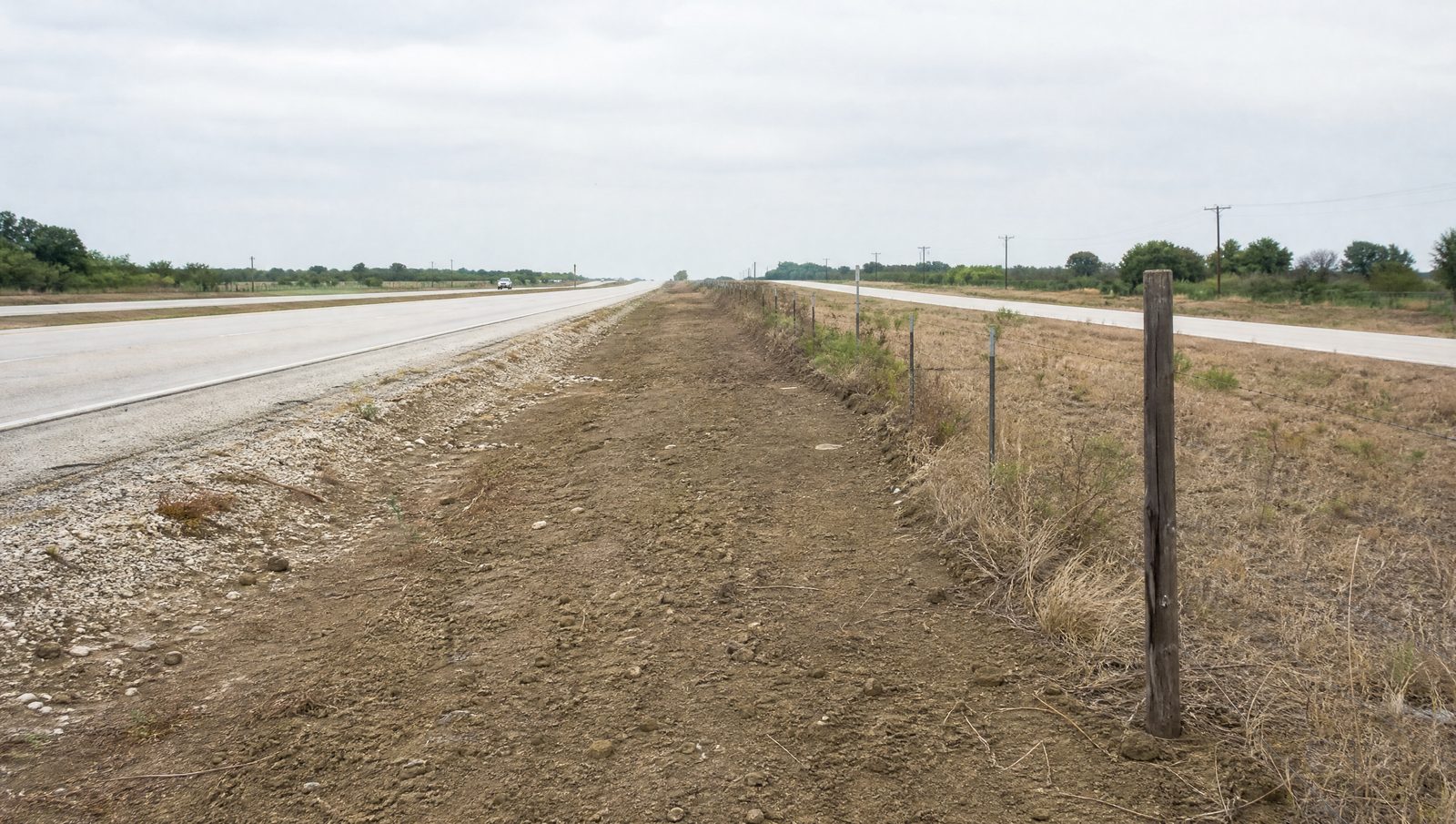
A Fort Bend County eminent domain attorney is relevant well before a case is filed. Texas law gives condemning authorities a process to acquire private property for public use, but it also gives landowners procedural and compensation rights, and those rights are easiest to protect at the offer and valuation stage. The Texas Constitution says no person's property may be taken, damaged, or destroyed for public use without adequate compensation, unless the owner consents. The practical questions at this stage are specific: has the authority followed the Texas Property Code, does the appraisal capture the full impact of the taking, do access changes reduce the value of what you keep, does the legal description match your property, and are business or remainder impacts being overlooked? These are the issues we review, and they are far easier to raise before you sign than after.
What the Expansion Means for Richmond and Rosenberg Property Owners
Richmond and Rosenberg sit in Fort Bend County, where roadway improvements and Grand Parkway access can affect land value, ingress and egress, road frontage, and long-term land use. The right response depends on the specific parcel, the proposed acquisition, the appraisal, the offer package, and the effect on the remaining property. A homeowner near an expanded lane has different concerns than a business owner losing frontage or a rancher facing a severed tract. That is why a generic answer rarely fits. The value of a review comes from reading your documents against your property, not from a rule of thumb, and we approach every Richmond and Rosenberg matter that way.
Condemnation Along the SH 99 Right-of-Way
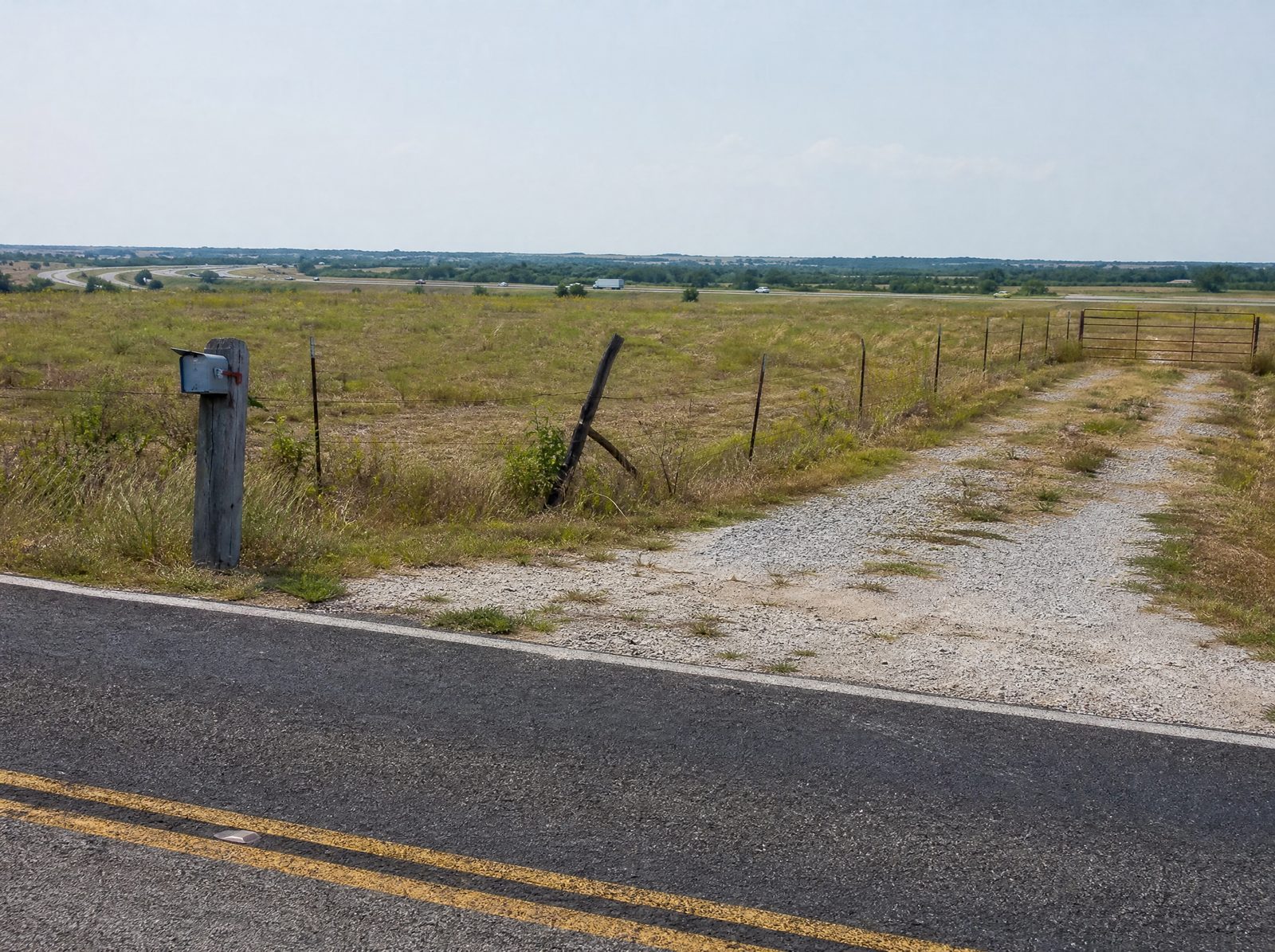
Condemnation along the SH 99 right-of-way is not only a price question. A highway project may seek fee title, a permanent easement, a temporary construction easement, access rights, drainage rights, or another property interest, and the document that grants those rights matters as much as the dollar figure. Under the Texas Property Code, a condemning entity must make a bona fide offer before it can file a condemnation case. That means written offers, a certified appraisal of the property being acquired and any damage to the remainder, delivery of the appraisal and the Landowner's Bill of Rights, and statutory time periods before a petition is filed. Reading the proposed acquisition documents carefully, rather than treating the offer as a simple yes or no, is how an owner sees the full trade.
What to Expect When You Work With Us
Our review follows a clear order, and it starts the moment you bring us the paperwork. The goal at each step is the same: understand what is being taken, what it is worth, and what the offer actually accounts for, so your response is informed rather than rushed. The three steps below are how we approach a Grand Parkway matter.
Step 1: Document Review
We start with the notice, the offer letter, the appraisal, the proposed deed or easement, the map, the legal description, and any project documents. Comparing these against your property often shows whether the required steps were followed and exactly what interest is being sought. This first read frequently raises the questions that shape everything after it.
Step 2: Valuation and Impact Analysis
Next, we look at whether the offer reflects the full impact of the taking. That includes the value of the land acquired and the damage to the property you keep, such as lost access, changed drainage, reduced frontage, or diminished visibility for a business. A TxDOT appraisal is a starting point, not the last word, and remainder impacts are where owners are most often shortchanged.
Step 3: Response Strategy
With the documents and the valuation in hand, we help you decide how to respond. That may be a request for more information, a counteroffer supported by valuation evidence, or a decision to preserve your objections for the formal process. The right path depends on your facts, and we lay out the options plainly so the choice is yours.

What Affects Your Compensation and Offer Review
Several factors shape what a Grand Parkway matter looks like and what an offer should reflect. The property interest being taken, whether a full parcel, a permanent easement, or a temporary construction easement, changes the analysis. So does the size and use of your land, the access and frontage affected, the drainage and visibility impacts, and the damage to the remainder. Because every parcel is different, we do not quote fixed numbers, and we do not promise a result. What we do is explain the factors that drive value so you can judge an offer against the real impact on your property.
Why Fort Bend Landowners Choose Showalter Colgin & Davis
We have represented Texas property owners since 1977, and our office is in Richmond, in the heart of Fort Bend County. In eminent domain matters we represent landowners only, never the condemning authority, so our review is built entirely around protecting what you own. We pair the trial strength of seasoned attorneys with the responsiveness of a local firm, and we know this corridor and how the state's process actually works. We cannot promise an outcome, because every matter turns on its own facts, but we can make sure you understand the offer, the appraisal, and the rights in front of you before you act.
Service Areas
From our Richmond office, we serve property owners across Fort Bend County and the Greater Houston area, including Richmond, Rosenberg, Katy, Sugar Land, Missouri City, Fulshear, Needville, and the surrounding communities along and near the SH 99 corridor. If your property sits near the Grand Parkway anywhere in the region, we can help you understand what a project may mean for it.
How to Get Started
If you have received a notice, an appraisal, an offer, or a right-of-way request tied to the Grand Parkway, the most useful step is to have the package reviewed before you accept or respond. These matters are time-sensitive, and Texas law builds in deadlines that can limit your options once they pass. You can reach our eminent domain team by phone or through our contact page, and we will walk through your documents and your options with you.
Frequently Asked Questions
Can the SH 99 Grand Parkway expansion lead to eminent domain? It can. Highway widening, frontage-road, and right-of-way work sometimes require the acquisition of private property, which can involve eminent domain. Not every nearby owner will face a taking, but owners who receive a right-of-way notice, appraisal, or offer should review it carefully.
What is a bona fide offer in Texas eminent domain? Under the Texas Property Code, a condemning authority must make a bona fide offer before filing a condemnation case. That generally includes written offers, a certified appraisal of the property and any damage to the remainder, delivery of the Landowner's Bill of Rights, and statutory time periods before a petition is filed.
Should I wait until a lawsuit is filed to talk to an attorney? Waiting is rarely the best choice. The offer and appraisal stage is where many of the most important issues are decided, including whether the offer accounts for damage to the property you keep. A review before you sign or respond preserves your options.
Does an offer have to account for damage to the rest of my property? Texas law recognizes that a partial taking can reduce the value of the land you keep through changes to access, drainage, frontage, or visibility. Whether a specific impact is compensable depends on the facts, so those impacts should be documented and reviewed.
Which parts of the Grand Parkway affect Fort Bend County? For Fort Bend County owners, the SH 99 widening from FM 1093 to I-10 and Segment D near US 59 and I-10 West are among the most relevant current projects. TxDOT's project pages describe the scope, and your specific documents will identify what affects your parcel.
What should I do first if I receive a right-of-way offer? Save every document, note any deadlines, avoid signing before the package is reviewed, and compare the offer to both the part being taken and the damage to the remainder. Then have the documents reviewed so your response is informed.
Final Thoughts
The Grand Parkway is being built, and for some Fort Bend County owners that will mean a letter, an appraisal, or an offer about their property. What you do in the first days matters, because the offer and appraisal stage is where the most important questions are decided, and because Texas law sets deadlines that can limit your options once they pass. Reviewing the documents against your property, and understanding what the offer does and does not account for, is how you protect both your compensation and the land you keep.
You do not have to work through it alone. At Showalter Colgin & Davis, PLLC, we have represented Texas landowners since 1977, and from our Richmond office we help Fort Bend County owners read a right-of-way notice, weigh an offer against the full impact on their property, and decide how to respond. If the Grand Parkway is reaching your property, contact us to talk through your documents and your options before a deadline passes or you sign anything.
Related Articles
Texas House Bill 2730 Explained
Texas House Bill 2730 changed condemnation offer rules, the Landowner's Bill of Rights, and easement terms. Here is what Texas property owners should know.
What Are the Elements of a Condemnation Petition?
A Texas condemnation petition has required elements under Property Code Section 21.012. Here is what each part must say and what landowners should check.
Your First Steps After Receiving a Notice of Condemnation
Received a notice of condemnation in Texas? Here are the first steps to protect your property: save documents, check deadlines, and review the offer before signing.