

What Are the Elements of a Condemnation Petition?
On Behalf of Showalter Colgin & Davis, PLLCPublished Updated
- eminent domain
- condemnation
- condemnation petition
- landowner rights
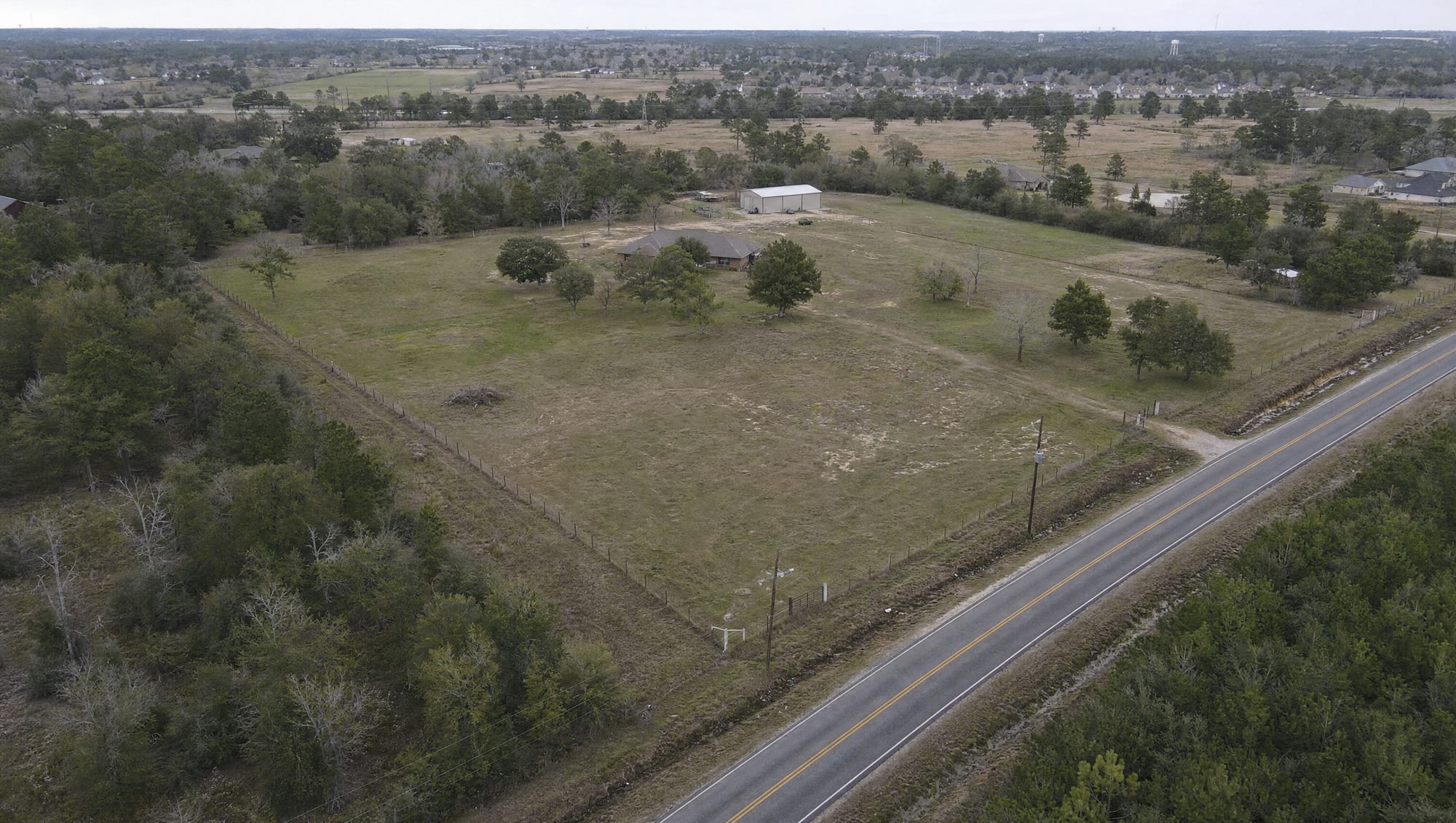
When a condemnation petition arrives, it can feel like the decision has already been made and your property is as good as gone. The document is formal, it references statutes, and it signals that a government agency or another entity with eminent domain authority is ready to take part of your land through the courts. Many Texas property owners assume there is nothing left to review once a petition is filed. That assumption can be costly. A condemnation petition has required parts, and Texas law spells out what each one must say. Reading those parts carefully can tell you what is being taken, why, whether the required pre-suit steps were followed, and where the process goes next. Knowing the elements of a condemnation petition puts you in a better position to protect your property and your compensation.
Key Takeaways
A condemnation petition starts the formal case
In Texas, an entity with eminent domain authority may file a petition when it wants real property for public use and cannot agree with the owner on damages.
Property Code Section 21.012 controls the basic contents
The statute lists the required petition statements.
The public use must be stated with specificity
Do not treat a vague public-use statement as a minor detail.
Pre-petition offer rules matter
The petition must state that the entity made a bona fide offer under Section 21.0113.
The Landowner's Bill of Rights matters
The petition may need to state that the owner received this document under Section 21.0112.
Review the petition quickly
After filing, the case can move toward the appointment of special commissioners and a hearing on compensation.
1. Why a Condemnation Petition Matters
A condemnation petition matters because it is the filing that begins the formal condemnation proceeding. Texas Property Code Section 21.012 lets an entity with eminent domain authority begin a condemnation proceeding when it wants to acquire real property for public use but cannot agree with the owner on damages. For a landowner, this is the point where a negotiation becomes a legal case. The letters and offers that came before were part of a private discussion. The petition asks a court to step in.
A Petition Signals a New Stage
Before the petition, an owner may be reviewing an initial offer, a final offer, an appraisal, a proposed deed, or right-of-way documents. Once the petition is filed, the matter moves into a process that can lead to the appointment of special commissioners who assess damages. That shift is why the petition deserves attention even if you have already spent weeks talking with the condemning authority. The filing changes the timeline and the stakes, and it starts deadlines that can limit your options if they pass.

2. Property Code Section 21.012 and the Elements of a Condemnation Petition
Property Code Section 21.012 is the primary statutory source for Texas condemnation petition requirements. It says the petition must describe the property, state the specific public use, name the owner if known, state that the parties are unable to agree on damages, state that the Landowner's Bill of Rights was provided when applicable, and state that a bona fide offer was made. Each of these is a distinct element, and each gives a landowner something concrete to check against the record. The six elements below are the heart of the petition.
Element 1: Description of the Property
The petition must describe the property to be condemned. Compare that description against your survey, parcel map, deed, any proposed easement, the appraisal documents, and prior offers. The exact interest matters. A petition may involve a full acquisition, a permanent easement, a temporary construction easement, access rights, or another limited property interest. The description should make clear what is being taken, not merely that some part of your land is involved.
Element 2: Specific Public Use
The petition must state with specificity the public use for which the entity intends to acquire the property. This ties the petition to the Texas Constitution, which says property may not be taken, damaged, or destroyed for public use without adequate compensation unless the owner consents. Look for a concrete project, such as a road expansion, a utility line, a drainage project, or a named public facility. A vague public-use statement is not a formality, and courts have looked closely at whether a condemning authority identified the public use with enough detail.
Element 3: Name of the Owner
The petition must state the owner's name if known. This can raise practical problems when land is held by several heirs, a trust, a business, a marital estate, or another entity. If the petition names the wrong person, omits an heir, or does not match the current deed records, do not ignore it. Title and naming issues can affect notice, the special commissioners' process, and how any award is distributed. This comes up often with inherited property and family land.
Element 4: Unable to Agree on Damages
The petition must state that the entity and the owner are unable to agree on damages. That statement connects to the negotiation history, so check it against what actually happened. Did you receive a written initial offer, the appraisal disclosures required in some cases, a final offer, the required response time, and the proposed conveyance instrument? The petition's claim that the parties could not agree should match the real sequence of offers and responses.
Element 5: Landowner's Bill of Rights
If applicable, the petition must state that the Landowner's Bill of Rights was provided under Section 21.0112. TxDOT guidance says this document must be provided no later than the seventh day before the final offer, or earlier, and before or at the same time the acquiring agency states that it has eminent domain authority. Keep a dated copy of every notice, offer, envelope, and delivery receipt, because whether and when you received this document can matter.
Element 6: Bona Fide Offer
The petition must state that the entity made a bona fide offer to acquire the property voluntarily under Section 21.0113. That makes the written initial offer, the final offer, the appraisal information, the proposed deed or easement, and the timing between offers all worth reviewing. The bona fide offer is not a single number. It is a set of steps the condemning entity is supposed to complete before it can properly tell a court that the parties could not agree.
3. Texas Condemnation Petition Requirements Property Owners Should Check
Texas condemnation petition requirements are not satisfied simply because a document is titled "petition." The real question is whether the required statements are present and whether they match the prior negotiation record. Reading the petition against your own file is how you find gaps. The two checks below are a practical place to start, and they often surface the questions that shape the rest of the case.
Check the Property Interest Being Taken
A petition may describe a full taking, a permanent easement, a temporary construction easement, or another property interest. Compare the petition to the proposed conveyance instrument that should have come with the offer. If the petition and the proposed easement describe different rights, or different amounts of land, that difference is worth understanding before anything moves forward.
Check the Claimed Public Use
A specific public-use statement helps you understand why the property is being taken and whether the proposed taking matches the project documents. If the petition names a broad or unclear purpose that does not line up with the maps, plans, or offer materials, that is a detail to examine rather than accept. The public-use requirement exists to give owners a real basis to understand and, where appropriate, question the taking.
4. How an Eminent Domain Petition in Texas Connects to Offer Requirements
An eminent domain petition in Texas usually follows failed negotiations, and Texas law requires a bona fide offer before condemnation. The final offer must meet statutory requirements, including appraisal support and a copy of the proposed conveyance instrument. Because the petition has to state that a bona fide offer was made, the offer history is part of the petition's foundation. Reviewing the offers is really reviewing whether the petition rests on the steps the law requires.
The Initial Offer
The initial offer should be in writing. For TxDOT matters, guidance states that appraisal documents produced or acquired by TxDOT and relating to the property should be disclosed by certified mail, return receipt requested, when the initial offer is made. Read the initial offer as a package that includes the price, the appraisal disclosures, and the proposed deed or easement, not as a single figure to accept or reject.
The Final Offer
TxDOT guidance states that after the owner has at least 30 days to review the initial offer, the acquiring agency may send a final offer if the property cannot be acquired through negotiation. The owner must have at least 14 days to respond to the final offer before eminent domain proceedings can be filed. Those windows are short, but they are real, and tracking the dates on each offer protects your ability to respond before a petition is filed.
5. What Happens After the Petition Is Filed
After the petition is filed, the case moves along a track that Texas law lays out. Venue rules under Section 21.013 determine where the case belongs. If you reside in a county where at least part of the property sits, the petition is filed there; otherwise it may be filed in any county where part of the property is located. From there, the court appoints special commissioners, and the first hearing on compensation follows. Knowing this sequence helps you see why early review matters.
Special Commissioners
Under Section 21.014, the court appoints three special commissioners to assess damages. Treat this stage seriously, because it can affect the amount awarded and the approach you take if you later object or go to trial. The special commissioners' hearing is the first formal look at what your property is worth in the case, and the record built there can matter well beyond that single hearing.
Objections and Trial
If a party objects to the special commissioners' findings within the time the law allows, the case can proceed in court. The Landowner's Bill of Rights explains that a property owner may have the right to a trial by judge or jury on compensation or on whether the condemnation was proper. That right is meaningful, but it depends on acting within the deadlines, which is one more reason to review the petition and the award promptly.

6. Long-Term Strategy for Property Owners
A landowner who receives a condemnation petition should organize every document tied to the taking. That includes the petition, the envelope, the certified mail receipt, the initial offer, the final offer, the appraisal documents, the proposed deed or easement, the survey, the map, emails, and notes from calls. The goal is to understand what is being taken, why it is being taken, how compensation was calculated, and whether the petition matches the statutory requirements. Owners who focus on representing their own interests early, often with help from counsel who represents landowners, tend to have a clearer view of their options than owners who wait.
Common Pitfalls
Several avoidable mistakes come up again and again. Owners assume the first offer is the final number, skip over the public-use language, and fail to compare the petition to the proposed easement or deed. Some wait too long to respond, overlook damage to the remaining property, or treat the special commissioners' hearing as informal. Another common error is not confirming whether the entity actually has eminent domain authority. Texas law gives landowners real rights, but those rights are easier to protect when the owner reviews the petition and the supporting documents early.
Frequently Asked Questions About the Elements of a Condemnation Petition
What are the required elements of a condemnation petition in Texas? Under Property Code Section 21.012, the petition must describe the property, state the specific public use, name the owner if known, state that the parties cannot agree on damages, state that the Landowner's Bill of Rights was provided when applicable, and state that a bona fide offer was made.
What does Property Code Section 21.012 cover? Section 21.012 covers when a condemnation proceeding may begin, what the petition must state, and how the petition must be provided to the property owner, and to the owner's attorney if the owner is represented.
What does "public use" mean in a Texas condemnation petition? The petition must state with specificity the public use for which the entity intends to acquire the property. The Texas Constitution also requires public use and adequate compensation when property is taken, damaged, or destroyed.
Does a condemnation petition mean negotiations are over? Not always. It means the condemning entity has filed a formal proceeding after stating that the parties are unable to agree on damages. Negotiations may still continue, but the legal process is underway.
What should I check first in an eminent domain petition in Texas? Check the property description, the stated public use, the named owner, the statement that the parties are unable to agree, the Landowner's Bill of Rights statement, and the bona fide offer statement. Then compare the petition to the prior offers, the appraisal documents, and the proposed deed or easement.
Must the petition be mailed to the property owner? Yes. Section 21.012 requires the entity to provide a copy of the petition to the owner by certified mail, return receipt requested, and first-class mail. If the entity has written notice that the owner has counsel, it must also provide a copy to the owner's attorney by an allowed method.
Final Thoughts
A condemnation petition can look like the end of the road, but it is really the start of a defined legal process with rules the condemning entity has to follow. The petition must describe the property, state a specific public use, name the owner, state that the parties could not agree, address the Landowner's Bill of Rights, and confirm a bona fide offer. Each of those elements is something you can check.
Reading the petition against your own records, tracking the deadlines, and understanding what comes next can change how a case unfolds. The protections in Texas law work best when an owner acts on them early rather than after the special commissioners have already met.
At Showalter Colgin & Davis, PLLC, we have represented Texas property owners since 1977, and in eminent domain matters we represent landowners only, never the condemning authority. From our office in Richmond, we help owners across the Greater Houston area read a condemnation petition, compare it to the offers and appraisals, and understand the property rights at stake. If a petition or an eminent domain notice has landed in your mailbox, contact us to talk through the document and your options before the next deadline passes.
Related Articles
Your First Steps After Receiving a Notice of Condemnation
Received a notice of condemnation in Texas? Here are the first steps to protect your property: save documents, check deadlines, and review the offer before signing.
Texas House Bill 2730 Explained
Texas House Bill 2730 changed condemnation offer rules, the Landowner's Bill of Rights, and easement terms. Here is what Texas property owners should know.
Grand Parkway Eminent Domain: What Fort Bend Landowners Should Know
Facing a Grand Parkway eminent domain offer in Fort Bend County? Learn what the SH 99 expansion may mean for your property and your rights.